The Neo-Dadaists of the Meme Generation
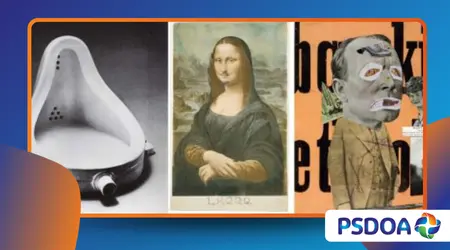
Neo-Dadaists of the Meme Generation are redefining the landscape of digital expression as we navigate the increasingly surreal social media climate of early 2026.
Anúncios
This subculture utilizes deep-fried imagery and nonsensical humor to protest the hyper-commercialization of our online lives.
By embracing the absurd, these creators dismantle traditional logic to mirror a world that feels increasingly disconnected from reality.
They transform digital detritus into avant-garde art, proving that “meaningless” content often carries the most profound cultural weight today.
What is the Philosophy of the Neo-Dadaists of the Meme Generation?
The Neo-Dadaists of the Meme Generation draw direct inspiration from the 20th-century Dada movement, which arose as a visceral reaction to wartime chaos.
Modern digital artists use glitch aesthetics and anti-memes to rebel against the polished, algorithmic perfection of corporate advertising.
These creators reject the “like-chasing” economy, opting instead for cryptic inside jokes that defy easy categorization or monetization.
It is a calculated strike against the predictability of artificial intelligence and the exhaustion of constant digital surveillance.
Why is Nonsense Used as a Form of Protest?
Nonsense serves as a shield against the data-hungry algorithms that thrive on clear, categorizable human interests and behaviors.
When the Neo-Dadaists of the Meme Generation produce content that lacks a clear point, they effectively “break” the recommendation engines.
This digital sabotage preserves a space for genuine human spontaneity in an era dominated by automated trend forecasting.
Paradoxically, the more confusing a meme becomes, the more authentic it feels to an audience weary of targeted marketing.
++ Digital Nomads as a Lifestyle Microculture
How Does “Deep-Frying” Change Digital Meaning?
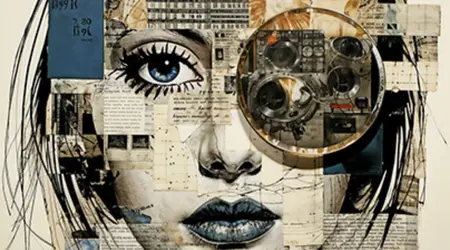
“Deep-frying” involves layering filters and distortion until the original image is nearly unrecognizable and visually abrasive to the uninitiated viewer.
This process strips away the initial context, allowing the Neo-Dadaists of the Meme Generation to repurpose mundane corporate symbols into chaotic icons.
It acts as a visual reset button, forcing the observer to find new, subjective meaning in the wreckage of the original file.
This aesthetic choice highlights the decay of digital fidelity and the fleeting nature of internet trends.
Also read: The Visual Language of Alt TikTok Subcultures
What is the Link Between Nihilism and Meme Culture?
Many young adults feel a sense of “optimistic nihilism,” where the lack of universal meaning becomes a liberation rather than a burden.
The Neo-Dadaists of the Meme Generation express this by making light of global crises through dark, abstract, and surrealist irony.
They use laughter as a coping mechanism for a reality that feels beyond their direct control or influence. By making fun of the “end times,” they reclaim a sense of agency over their emotional responses to the news.
Read more: Lo-fi Hip Hop and the “Study Girl” Phenomenon
How Do Anti-Memes Subvert Traditional Expectations?
Anti-memes take a familiar template but remove the punchline, replacing it with a literal or painfully obvious observation.
This subversion irritates the brain’s pattern recognition, forcing a moment of cognitive dissonance that many find hilariously refreshing in 2026.
This technique is a core tool for the Neo-Dadaists of the Meme Generation to mock the formulaic nature of internet humor. It suggests that the most surprising thing a meme can do today is simply tell the truth.
Why are These Subcultures Thriving on Platforms Like Discord and Telegram?
The Neo-Dadaists of the Meme Generation prefer private or semi-private digital spaces where “weirdness” can flourish without the threat of mainstream dilution.
Discord servers have become the new “Cabaret Voltaire,” hosting obscure workshops on glitch art and non-sequitur scriptwriting.
In these niche corners, the subculture develops a complex language of symbols that are intentionally opaque to outsiders.
This gatekeeping ensures that the subculture remains a sanctuary for creative rebellion rather than a brand-safe marketing demographic.
How Does Decentralization Protect Digital Subcultures?
Decentralized networks prevent a single corporate entity from owning or censoring the evolution of these niche aesthetic movements.
The Neo-Dadaists of the Meme Generation often hop between platforms to stay ahead of trend-tracking firms and automated “cool-hunters.”
This nomadic digital lifestyle keeps the subculture fluid and difficult to pin down for long-term commercial exploitation.
It is a game of cat-and-mouse where the mouse is constantly redesigning its own skin to stay invisible.
What is the “Slop” vs. “Art” Debate in 2026?
As AI-generated “content slop” floods the internet, the Neo-Dadaists of the Meme Generation emphasize intentional, human-driven chaos over machine-made genericness.
They celebrate the “beautiful mistake” the glitch that an AI would try to smooth out or correct.
Distinguishing human-made absurdity from algorithmic noise is the primary challenge for digital curators this year.
This tension defines the value of contemporary digital art in a world of infinite, frictionless production.
What Statistic Defines the Rise of Abstract Content?
A 2025 study by Gartner Cultural Insights found that 62% of Gen Z users actively engage with “nonsensical or abstract” content weekly.
This represents a 15% increase from 2022, signaling a massive shift away from traditional narrative-based entertainment.
This data proves that the Neo-Dadaists of the Meme Generation are not a fringe group but the vanguard of a massive cultural movement.
They represent the dominant psychological state of the digital-native population in the mid-2020s.
What Analogy Explains the Surrealist Meme?
A surrealist meme is like a dream told in a crowded room; it feels intensely personal yet strangely familiar to everyone listening.
It bridges the gap between our internal anxieties and our shared external reality through the language of the bizarre.
Just as dreams process our daily stresses through strange symbols, these memes process our digital exhaustion through absurd humor.
This makes the Neo-Dadaists of the Meme Generation the unofficial psychologists of the internet era.
How Do These Creators Influence Modern Graphic Design?
High-fashion brands and tech startups are already “borrowing” the glitch-heavy, chaotic layouts popularized by the Neo-Dadaists of the Meme Generation.
What starts as an obscure joke on a private server often ends up on a billboard six months later.
This cycle of “cool-capture” forces the subculture to innovate even faster, pushing the boundaries of what is considered visually acceptable. The result is a constant, frenetic evolution of the global digital aesthetic.
How Can One Participate in the Neo-Dadaist Movement?
Engaging with the Neo-Dadaists of the Meme Generation requires a willingness to let go of the need for “getting the joke.” Participation is often about the act of creation using free tools to distort, remix, and break existing media.
There are no formal entry requirements, but a healthy skepticism of corporate platforms and a love for the “lo-fi” are essential.
It is a horizontal movement where the most “useless” creation might become the most celebrated piece of the day.
What Tools are Used to Create Neo-Dadaist Content?
Creators often use outdated software, broken phone apps, or open-source glitch generators to achieve their signature look.
The Neo-Dadaists of the Meme Generation value the “aesthetic of failure,” where technical errors are celebrated as unique artistic choices.
This low-tech approach makes the movement accessible to anyone with a smartphone and a sense of humor. It democratizes art by proving that expensive equipment is irrelevant to the power of a creative idea.
Why is Anonymity Important for These Artists?
Anonymity allows the Neo-Dadaists of the Meme Generation to separate their digital experiments from their professional identities.
It fosters a space where one can be truly weird without the fear of permanent “reputation damage” in a hyper-documented world.
This freedom to fail and offend sensibilities is vital for the growth of any avant-garde movement. By hiding behind avatars, these artists can speak truth to power in ways that a public figure never could.
What is an Original Example of a Neo-Dadaist Event?
Consider “The Void Stream,” a 2026 event where 10,000 people watched a live-rendered block of digital ice melt for twelve hours. There was no commentary, no ads, and the chat was restricted to only using the letter “H.”
This event, organized by the Neo-Dadaists of the Meme Generation, became a viral sensation as a protest against the “attention economy.”
It forced viewers to confront boredom and silence in a world that usually demands constant, loud stimulation.
How Does This Subculture Impact Future Storytelling?
We are seeing the birth of “fragmented narratives,” where a story is told through a series of disconnected, abstract images and audio clips.
The Neo-Dadaists of the Meme Generation are training our brains to find meaning in non-linear, chaotic patterns.
This shift will eventually change how movies, games, and books are structured in the 2030s. We are moving toward a more abstract, impressionistic way of communicating our shared human experience.
Evolution of Digital Subcultures (2010 vs 2026)
| Feature | Early Meme Culture (2010) | Neo-Dadaist Era (2026) |
| Logic | Rational / Pun-based | Absurdist / Non-sequitur |
| Visuals | High-contrast / Clear Text | Glitched / “Deep-fried” / Distorted |
| Goal | Viral Fame / Relatability | Subversion / Algorithmic Sabotage |
| Platforms | Facebook / Reddit / Twitter | Discord / Telegram / Niche Lobbies |
| Identity | Public / Personal Branding | Anonymous / Pseudonymous |
In conclusion, the Neo-Dadaists of the Meme Generation are much more than “internet trolls”; they are the vital philosophers of our chaotic digital age.
By turning nonsense into a weapon against the algorithm, they preserve the human element of surprise and creativity.
Their work reminds us that in a world of perfect, machine-calculated content, the most radical thing we can be is incomprehensible.
As we move deeper into 2026, the influence of these abstract creators will only continue to reshape how we think, create, and laugh in the digital void.
Does the absurdity of modern memes make you feel more connected to the world, or just more confused? Share your experience in the comments!
Frequently Asked Questions
Are Neo-Dadaist memes just “Gen Z” humor?
While largely driven by younger generations, the Neo-Dadaists of the Meme Generation include people of all ages who feel “burned out” by traditional digital logic. It is more about a shared psychological state than a specific birth year.
Why do they call it “Neo-Dada”?
Because it mirrors the original Dada movement’s rejection of logic and embrace of the bizarre during times of social and political upheaval
The “Neo” part refers to the digital tools and internet-scale reach of the modern movement.
Is this subculture political?
Often, yes. By rejecting corporate algorithms and the “attention economy,” the Neo-Dadaists of the Meme Generation are engaging in a form of passive political resistance against digital capitalism and mass surveillance.
How can I tell the difference between a bot and a Neo-Dadaist?
Bots usually try to be helpful or sell something, even if they are weird. A Neo-Dadaist is intentionally useless; their content serves no purpose other than to exist as a strange, human expression in the void.
Is “Deep-Fried” art still popular in 2026?
It has evolved into “Glitch-Core” and “Nihil-Aesthetics.” The goal is still the same: to create something that looks “broken” to the human eye but carries a deep, ironic significance to the community.
