
Micro-Loneliness: Feeling Isolated Even When Constantly Connected
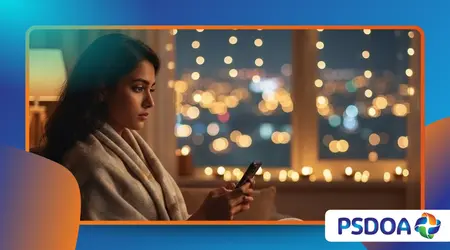
Micro-Loneliness is the invisible epidemic of 2026, manifesting as a sharp, fleeting sense of isolation that strikes even during active digital interactions.
Anúncios
We find ourselves scrolling through endless feeds of “friends” while feeling an inexplicable void, a psychological paradox born from hyper-connectivity and shallow engagement.
The modern human experience is increasingly defined by these tiny, frequent punctures in our social fabric.
While we exchange likes and rapid-fire emojis, the absence of deep, synchronized presence creates a unique mental strain that conventional sociology is only now beginning to map effectively.
Inside the Digital Void
- The Paradox: Why constant notifications fail to provide true emotional nourishment.
- Brain Chemistry: The difference between dopamine hits from “likes” and oxytocin from eye contact.
- Social Fatigue: How performing a digital persona drains our capacity for real intimacy.
- The Cure: Practical strategies to transform digital noise into meaningful human resonance.
What is the psychological origin of this modern isolation?
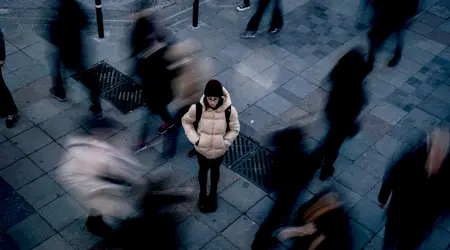
The term Micro-Loneliness describes the momentary but cumulative feeling of being unseen by a crowd that is constantly watching your digital output.
It thrives in the gap between a “seen” receipt and a meaningful response, leaving the user in a state of social limbo.
Psychologists suggest this phenomenon occurs because our brains evolved for high-fidelity, multisensory communication.
Digital pings offer only a fraction of the social data we need to feel truly secure and connected within our specific tribal groups.
How does dopamine interfere with true connection?
Every notification triggers a small dopamine release, keeping us tethered to our devices in a loop of anticipation and brief, unsatisfying reward.
This chemical cycle prioritizes the quantity of interactions over the quality of the emotional exchange, leading to a profound sense of emptiness.
We become like starving people eating empty calories; our bellies are full of “content,” but our souls remain malnourished from a lack of substance.
This biological mismatch is a primary driver of the lingering sadness many feel after hours of browsing.
++ Psychology of Sudden Personality Shifts After Major Life Events
Why do “seen” messages trigger social anxiety?
In 2026, the etiquette of instant messaging has created a high-pressure environment where delayed responses feel like personal rejections.
These small moments of silence are misinterpreted by our primal brains as being excluded from the safety of the pack, triggering a stress response.
The weight of these silent intervals contributes heavily to Micro-Loneliness, as we dwell on the lack of immediate feedback.
This constant state of hyper-vigilance prevents us from enjoying the actual solitude we need for creative and emotional restoration.
How do digital habits erode our emotional resilience?
Constant connectivity has effectively killed the “natural pause” in our social lives, leaving no room for the reflection that builds inner strength.
We seek external validation for every minor thought, which makes our sense of self dangerously dependent on the whims of an algorithm.
This erosion of self-sufficiency makes the sting of Micro-Loneliness feel much more acute and harder to dismiss.
When we lose the ability to be alone without feeling lonely, every quiet moment feels like a personal failure rather than a peaceful respite.
A recent 2025 Meta-Analysis by the Global Institute of Mental Health found that individuals who spent over four hours daily on fragmented social messaging were 60% more likely to report chronic feelings of being “misunderstood” by their closest peers.
Also read: Emotional Forecasting Errors: Why We’re So Bad at Predicting Our Future Feelings
What role does the “Performance Trap” play?
Social media forces us to curate a version of ourselves that is perpetually happy, successful, and busy.
This performance creates a barrier because we feel that people like the “avatar” we present rather than the vulnerable human being behind the screen.
The resulting Micro-Loneliness stems from the realization that we are hiding our true struggles to maintain an online aesthetic.
This mask prevents us from seeking the authentic support that could actually alleviate our underlying sense of isolation and burnout.
Read more: The “Inner Narrator” Phenomenon: Why Some People Constantly Hear Their Own Thoughts
Can we actually fix our digital social life?
Restoring balance requires a deliberate shift from passive consumption to active, high-fidelity communication, such as voice notes or video calls.
These formats allow for tone, pace, and facial expressions, which provide the rich social data our nervous systems crave to feel safe.
We must treat digital tools as bridges rather than destinations.
If a platform doesn’t eventually lead to a more profound, real-world connection or a deep, shared experience, it is likely contributing more to our isolation than to our genuine well-being.
Why is eye contact irreplaceable in the age of AI?
Even the most advanced AI companions of 2026 cannot replicate the complex bio-feedback loop generated when two humans lock eyes.
Eye contact triggers oxytocin, the “bonding hormone,” which directly counteracts the cortisol spikes associated with the daily experience of Micro-Loneliness.
Physical presence allows for “neural coupling,” where the brain waves of two people in conversation actually begin to mirror each other.
This deep synchronization is the biological foundation of empathy, a feeling that no amount of texting can ever fully simulate or replace.
Is it possible that by trying to stay connected to everyone at once, we have accidentally lost the ability to be truly present for anyone at all?
This question sits at the heart of our modern struggle to reclaim our time and our emotional health.
Digital Interaction vs. Analog Resonance
| Interaction Type | Primary Hormone | Mental Outcome | Loneliness Risk |
| Scrolling/Likes | Dopamine | Brief rush, followed by void | Extremely High |
| Instant Messaging | Dopamine/Cortisol | High-speed anxiety, shallow | Moderate to High |
| Video Calling | Limited Oxytocin | Improved recognition, fatigue | Low to Moderate |
| Face-to-Face | Oxytocin/Serotonin | Deep security, neural sync | Very Low |
| Shared Silence | Serotonin | Groundedness, trust | Lowest |
The phenomenon of Micro-Loneliness serves as a vital warning that our technology has outpaced our biological capacity for social processing.
While we live in the most “connected” era in human history, the quality of those connections determines our true mental health.
To heal, we must prioritize depth over breadth, choosing a few resonant conversations over a thousand shallow pings.
We must reclaim the beauty of true solitude and the restorative power of undivided attention in our physical relationships.
Ultimately, the cure for our isolation is not found in the next app update, but in the simple, ancient act of looking another human being in the eye and truly listening.
Our well-being depends on our ability to turn off the noise and tune back into the human frequency.
What was the last interaction you had that made you feel truly seen and understood by another person? Share your experience in the comments!
Frequently Asked Questions
Can I experience Micro-Loneliness while in a relationship?
Absolutely. If you and your partner are in the same room but both on your phones, the lack of shared attention creates a powerful sense of “presence without connection.”
How is this different from clinical depression?
This is often situational and linked to digital habits. While depression is a persistent state, this feeling usually strikes in bursts during or after periods of high screen use.
Does using AI for conversation help or hurt?
While AI provides immediate response, it lacks the biological “neural coupling” of a human. Over-reliance on AI can actually worsen the feeling of being misunderstood by the real world.
How much screen time is considered “safe” for social health?
It is less about the hours and more about the type of use. Passive scrolling is almost always harmful, while active, deep video or voice communication can be positive.
What is the best way to explain this feeling to friends?
Try describing it as “social hunger” or the feeling of being in a crowded room where everyone is wearing headphones. It emphasizes that you are there, but the connection is blocked.
