
Analog Horror Fandoms: Why ARG Communities Decode Every Clue
Analog Horror Fandoms transform passive video consumption into an immersive, collaborative investigation where internet sleuths scrutinize distorted VHS tapes and eerie emergency broadcasts for hidden codes.
Anúncios
This digital phenomenon thrives on psychological discomfort, cryptology, and fragmented storytelling, turning audience members from simple viewers into active narrative investigators across social platforms.
By examining the intricate mechanics of alternate reality games (ARGs), obscure lore decoding, and community-driven solving, we can uncover why these dedicated internet subcultures invest countless hours into dissecting terrifying web series.
In This Article
- What Defines Analog Horror and Alternate Reality Games?
- How Obscure Visuals Create Immersive Digital Puzzles
- Why Cryptic Sound Design Drives Collaborative Sleuthing
- How VHS Nostalgia Fuels Modern Internet Mysteries
- Why Do Fans Devote Hours to Decoding Cryptic Clues?
- The Collective Thrill of Solving Shared Cryptograms
- Psychological Drivers Behind Horror Puzzle Solving
- Social Media Communities as Digital Crime Labs
- How Do Creator Communities Maintain Narrative Engagement?
- Crafting Layered Lore Without Explaining the Plot
- Real-Time Interactive Storytelling and Hidden Websites
- Balancing Fear with Interactive Puzzle Design
- Comparative Breakdown of Key Analog Horror Mysteries
- The Future of Interactive Terror Culture
- Frequently Asked Questions
What Defines Analog Horror and Alternate Reality Games?
How Obscure Visuals Create Immersive Digital Puzzles
Analog horror subverts familiar broadcast formats by embedding disturbing narratives within low-fidelity video aesthetics, retro television emergency alerts, and corporate training tapes.
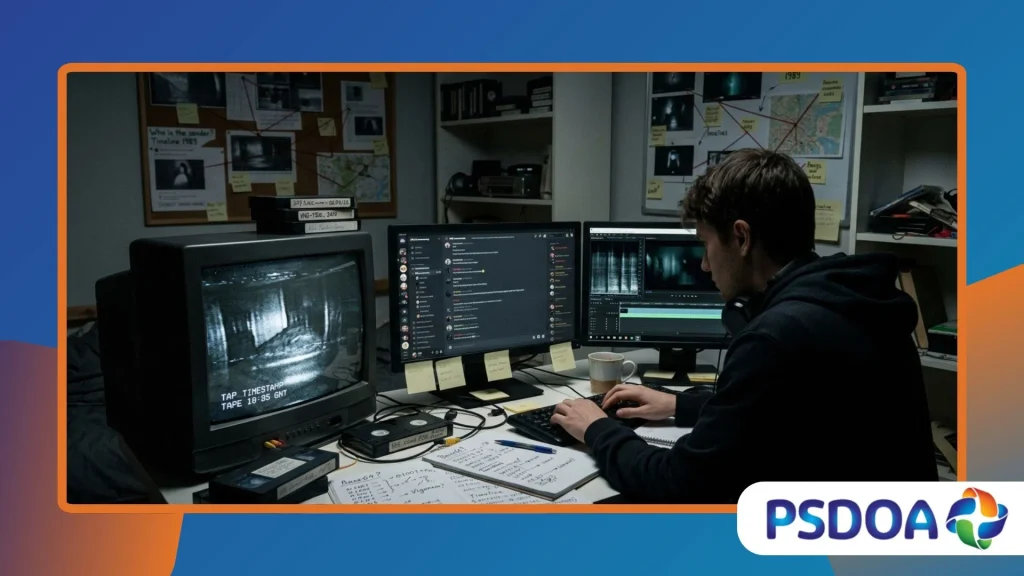
As viewers encounter distorted imagery and unexpected pauses, Analog Horror Fandoms assemble online to freeze-frame every sequence, searching for micro-details, masked web addresses, and hidden text strings that expand the lore.
Rather than relying on cheap jump scares, these series build tension through uncanny atmospheres and missing context, challenging audiences to piece together vague historical events.
The visual decay acts as a canvas for interactive puzzles, compelling dedicated fans to enhance brightness, adjust contrast, and analyze hidden layers in image editing software.
Why Cryptic Sound Design Drives Collaborative Sleuthing
Soundscapes in these digital subcultures play a crucial role in hiding narrative secrets beneath layers of static, distorted audio frequencies, and reversed speech tracks.
Dedicated investigators extract audio files from episodes to run them through spectral analyzers, routinely revealing hidden visual messages, spectrogram art, or embedded Morse code strings.
This audio complexity encourages immediate collaboration across Discord servers and Reddit forums, where audiophiles and cryptographers combine their skills to clean up muffled voice recordings.
The sonic atmosphere transforms a solitary viewing experience into a collective decoding process, ensuring that no audio glitch or background hum goes unexamined by the community.
++ Sephora Kids Trend: The New Consumer Microculture
How VHS Nostalgia Fuels Modern Internet Mysteries
The aesthetic foundation of this genre relies heavily on late 20th-century technology, evoking a sense of uncomfortable nostalgia through familiar media formats like public access television and magnetic tape.
By utilizing the grainy textures of analog media, creators evoke a sense of discovered footage that feels strangely grounded in real-world history and forgotten archives.
This nostalgic framework creates a uncanny bridge between fictional terror and familiar childhood memories, making the hidden narrative clues feel like unsettling real-world artifacts.
Fans actively research vintage television signal hijacking incidents and archaic broadcast standards to verify the historical authenticity of the clues embedded in each video release.
Why Do Fans Devote Hours to Decoding Cryptic Clues?
The Collective Thrill of Solving Shared Cryptograms
Deciphering complex digital puzzles offers a unique sense of shared victory that traditional linear storytelling simply cannot match within modern horror entertainment.
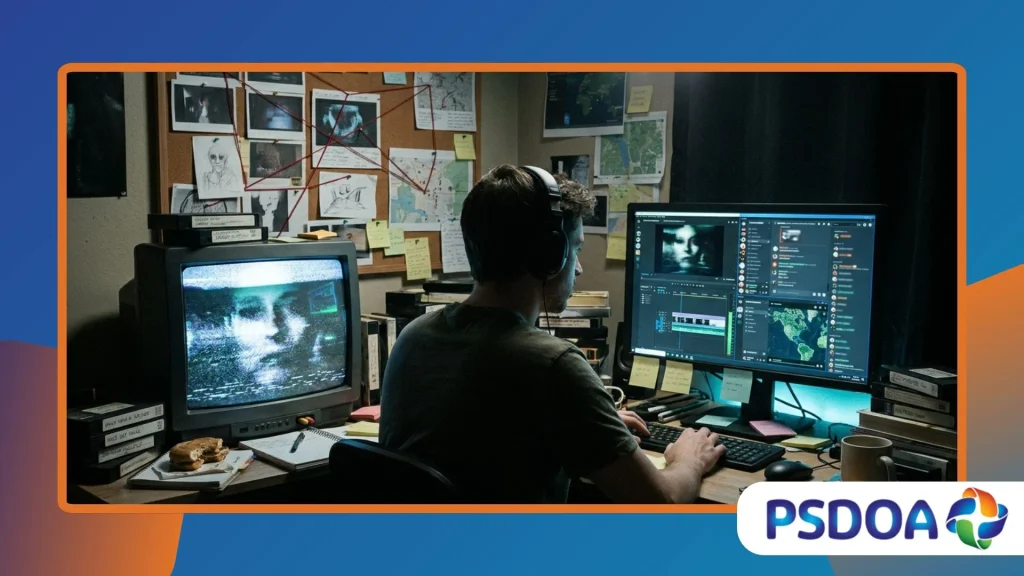
When Analog Horror Fandoms successfully decode a complex cipher, reveal a hidden phone number, or discover an unlisted website, the entire community shares the intellectual triumph.
This interactive dynamic mirrors the gamification of investigative journalism, turning thousands of casual viewers into an organized collective of amateur internet detectives working toward a unified goal.
The thrill comes not just from the terrifying narrative itself, but from being part of the crowd that unlocked the next official narrative chapter.
Also read: Mushroom Foraging Groups: Nature Meets Counterculture
Psychological Drivers Behind Horror Puzzle Solving
Engaging with cryptic horror content allows audiences to process fear and cognitive dissonance within a controlled, intellectually stimulating digital environment.
Research into participatory culture demonstrates how interactive narratives fulfill a fundamental human desire for agency, turning passive consumption into active problem-solving.
Psychologically, unraveling an eerie mystery provides a sense of mastery over the unknown, transforming existential dread into manageable, solvable logic puzzles.
The scary themes act as an adrenaline catalyst, while the cryptograms and hidden messages give the brain a structured focus to work through the unsettling atmosphere.
Read more: Seapunk, Cybergoth, and Other Internet-Born Aesthetics
Social Media Communities as Digital Crime Labs
Modern online forums and chat platforms operate like crowdsourced crime labs dedicated to dissecting internet horror ARG puzzles around the clock.
Subreddits and dedicated Discord channels feature elaborate organized databases, shared spreadsheets, and timeline trackers designed to document every frame, phone number, and sound byte.
When a creator drops a new video, thousands of users immediately split into specialized research teams covering cryptography, audio analysis, and narrative timeline mapping.
This hive-mind structure allows complex multi-layered ciphers to be decoded within hours of publication, showcasing the power of collective digital intelligence.
How Do Creator Communities Maintain Narrative Engagement?
Crafting Layered Lore Without Explaining the Plot
Mastering the art of mystery requires creators to walk a fine line between providing enough breadcrumbs to intrigue viewers and withholding key answers to sustain ongoing curiosity.
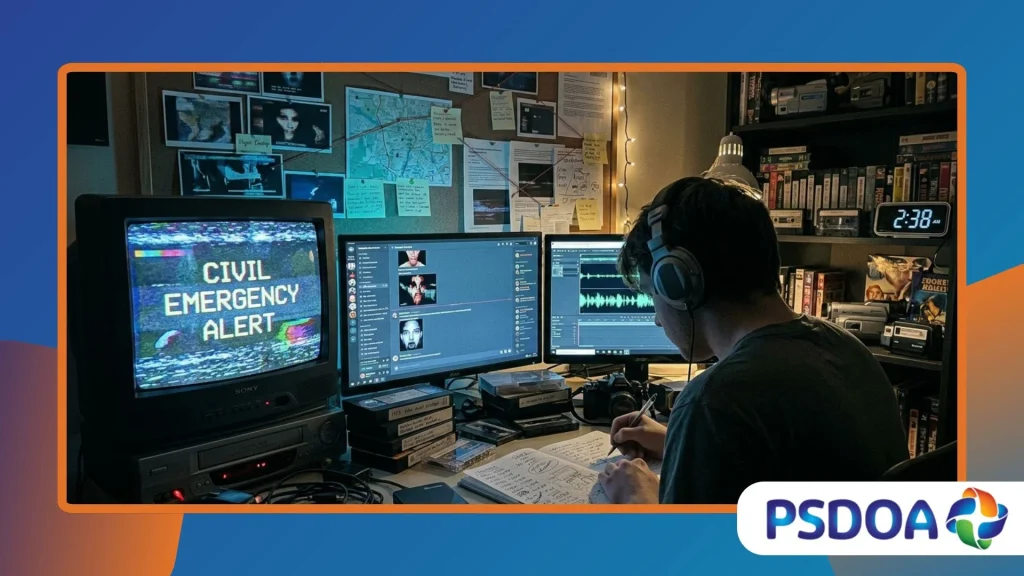
By leaving massive narrative gaps and relying on environmental storytelling, Analog Horror Fandoms are given space to construct elaborate fan theories and speculative lore maps.
This minimalist storytelling strategy forces the community to constantly re-examine older episodes for missed context whenever new footage drops online.
The story effectively exists in the interaction between the published footage and the collective imagination of the fanbase analyzing it.
Real-Time Interactive Storytelling and Hidden Websites
Many prominent series extend their narrative universe far beyond YouTube by creating functional real-world websites, working phone numbers, and hidden Twitter accounts.
Viewers who call a phone number found in an episode might hear a creepy automated voicemail providing coordinates or a password for a password-protected website.
These real-world touchpoints blur the line between fiction and reality, creating an immersive alternate reality game environment that rewards active participation.
By interacting with these external digital artifacts, fans directly influence how quickly the overarching narrative unfolds for the rest of the community.
Balancing Fear with Interactive Puzzle Design
Maintaining tension while asking the audience to solve complex math or cryptograms requires precise pacing from series creators and sound designers alike.
If the puzzles are too easy, the mystery loses its intrigue; if they are too difficult, the audience becomes frustrated and abandons the narrative entirely.
Successful projects integrate their puzzles directly into the story’s emotional beats, using eerie clues to reveal shocking plot twists or character fates.
This balance ensures that unraveling a cipher directly heightens the psychological terror rather than distracting from the overarching narrative atmosphere.
Key Metrics of Major Internet Analog Horror Franchises
| Series Title | Primary Platform | Main Puzzle Types | Community Decoding Hubs |
| The Mandela Catalogue | YouTube | Hidden Websites, Audio Reversed Ciphers | Reddit, Discord, Twitter |
| Local58TV | YouTube / Web | Frame-by-Frame Text, Morse Code | Subreddit Archives, Wiki Databases |
| GEMINI HOME ENTERTAINMENT | YouTube | Planetarium Charts, Encrypted Coordinates | Dedicated ARG Forums, YouTube Essays |
| The Monument Mythos | YouTube | Historical Anomaly Documents, Anagrams | Discord Sleuth Teams, Reddit Megathreads |
The Unseen Frontier of Digital Storytelling
The explosive growth of Analog Horror Fandoms demonstrates a dramatic shift in how modern audiences engage with digital horror and internet storytelling.
Viewers no longer want to sit back and passively watch a story unfold; they want to hunt for hidden truths, crack complex codes, and collaborate with global communities to piece together fragmented nightmares.
This interactive phenomenon has redefined modern digital media, proving that obscure visual design and complex lore can generate massive online engagement.
As technology continues to evolve, the line between passive viewer and active investigator will only continue to blur, ushering in a new era of participatory horror entertainment.
If you have ever spent hours analyzing hidden frames or decoding static broadcasts in your favorite online series, share your experience in the comments below!
Frequently Asked Questions
What is the difference between analog horror and a standard alternate reality game (ARG)?
Analog horror focuses primarily on visual aesthetics mimicking retro media formats like VHS tapes and public access broadcasts to deliver unsettling stories.
An alternate reality game (ARG) is an interactive narrative that uses the real world as a platform, often incorporating hidden websites, active phone numbers, and real-world locations.
Many modern analog horror series utilize ARG mechanics to embed secret codes and hidden lore within their videos, blending both genres together.
Why do analog horror creators use retro VHS aesthetics instead of high-definition video?
The low-resolution, grainy quality of retro VHS footage provides an uncanny visual canvas that allows creators to hide subtle details, shadowy figures, and distorted text.
High-definition video often makes monsters or supernatural elements look artificial, whereas grainy analog textures make low-budget visual effects feel grounded and realistic.
Additionally, vintage emergency broadcasts and local television formats tap into collective childhood memories, making the sudden interruption of horror elements far more unsettling.
How do online communities decode hidden messages in audio tracks so quickly?
Online sleuths utilize specialized digital software tools like spectrographs, digital audio workstations (DAWs), and frequency manipulators to dissect video soundscapes.
By isolating specific audio frequencies, running tracks backward, or visualising sound waves, fans can instantly extract hidden text, images, or Morse code embedded directly into the static.
These specialized skills are distributed across large global Discord communities, allowing teams of amateur cryptographers to decode complex audio puzzles within hours.
Do I need technical coding skills to enjoy analog horror series and their mysteries?
No technical skills are required to fully enjoy and appreciate the narrative of an analog horror series.
While cracking advanced ciphers or running spectral analysis requires specialized tools, most creators design their core stories to be accessible through careful viewing and narrative deduction.
Casual fans can simply watch the videos and read community breakdowns, while technical enthusiasts can dive into the deep cryptographic puzzles available across dedicated forums and subreddits.
Where can beginners start exploring analog horror fandoms and decoding channels?
Beginners can start by exploring foundational web series on YouTube, such as Local58TV, The Mandela Catalogue, or GEMINI HOME ENTERTAINMENT.
To dive into the community decoding aspects, checking out dedicated subreddits like r/analoghorror or joining community Discord servers provides immediate access to lore timelines, solved puzzles, and ongoing investigations.
Video essayists on YouTube also produce comprehensive breakdowns that explain the complex ARG elements of major series for newcomers.
