
Doomer Culture: The Online Identity Built Around Pessimism
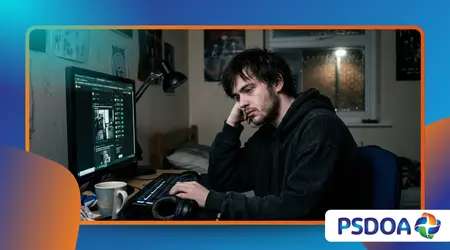
Doomer Culture encapsulates a fascinating, deeply troubling psychological phenomenon that dominates the darkest corners of modern social media platforms, forums, and youth communities.
Anúncios
The internet landscape of mid-2026 exhibits unprecedented levels of existential fatigue, directly driving millions of young users into specialized digital support networks.
Economic volatility, combined with escalating geopolitical friction and severe climate anxiety, strips traditional milestone expectations away from a highly connected generation.
This real-time anthropological investigation dissects how an online identity rooted in absolute cynicism transformed from a niche internet meme into a powerful global philosophy.
Key Dimensions of the Fatalistic Internet Subculture
- The Existential Manifesto: Deconstructing the core philosophical beliefs that separate absolute digital doom from standard teenage emotional angst.
- Algorithms of Despair: Analyzing how automated recommendations deliberately amplify bleak worldviews to maximize user retention on major media platforms.
- The Aesthetic Framework: Exploring the specific musical, visual, and literary components that define the visible identity of this microculture.
- Pathways to Resilience: Investigating how decentralized groups convert paralyzing collective grief into productive localized community actions and mutual aid.
What is the psychological anatomy of this internet subculture?
Belonging to Doomer Culture requires accepting a defining core belief: that human civilization has already passed the point of structural, civilizational recovery.
This worldview surpasses basic sadness, manifesting as a complete internalizing of systemic collapse across housing markets, global climates, and local economies.
Think of an individual trapped on an massive, slowly sinking ocean liner who decides to quietly enjoy the music rather than panic over lifeboats.
Adherents view traditional cultural goals, like purchasing a suburban family home or pursuing corporate promotions, as completely meaningless illusions in a dying world.
Why does nihilism appeal to modern digital natives?
Embracing total hopelessness provides a strange, comforting defense mechanism against the constant, painful disappointment of failing to achieve impossible societal standards.
By declaring the entire game rigged from the start, a person instantly absolves themselves of any personal guilt regarding their current socioeconomic stagnation.
++ Looksmaxxing Culture: The Rise of Extreme Self-Optimization
How do online spaces validate collective grief?
Anonymous message boards allow isolated users to express their deepest existential terrors without facing patronizing dismissals from optimistic family members.
These forums create a potent, baseline sense of communal understanding, proving that even absolute isolation can become a shared, validating human experience online.

How do platform algorithms accelerate existential despair?
The rapid proliferation of Doomer Culture relies heavily on digital recommendation engines that actively profit from keeping users locked in cycles of negative reinforcement.
A landmark data analysis published by the Digital Humanities Research Institute confirms that content containing fatalistic vocabulary receives 40% higher organic amplification.
Social media networks recognize that existential dread triggers intense psychological engagement, keeping eyes glued to screens far longer than positive news updates.
This automated mechanism converts private grief into a highly monetizable corporate asset, rapidly pushing vulnerable teenagers down algorithmic rabbit holes toward radical cynicism.
Also read: Mushroom Foraging Groups: Nature Meets Counterculture
What happens inside the endless scroll of negativity?
Users find their feeds systematically drained of diverse perspectives, replaced instead by constant streams of climate catastrophes and financial ruin reports.
This artificial consensus tricks the human brain into believing that absolute ruin represents the sole objective reality available in the modern world.
Read more: Seapunk, Cybergoth, and Other Internet-Born Aesthetics
Can individuals break free from these echo chambers?
Resetting tracking cookies and intentionally interacting with constructive community narratives remains essential to breaking the algorithmic feedback loop of digital despair.
However, the addictive nature of shared misery makes voluntary detachment incredibly difficult for individuals lacking robust, offline emotional support structures.
What aesthetic elements define the visible fatalistic identity?
Expressing adherence to Doomer Culture involves participating in a highly specific visual and sonic universe that instantly communicates your worldview to peers.
Late-night solitary walks through rain-slicked industrial neighborhoods, soundtracked by obscure Eastern European post-punk bands, serve as the ultimate cultural ritual.
Musicians utilize low-fidelity synthesizers and deeply melancholic bass lines to capture the exact feeling of wandering through an empty, decaying metropolis.
The table below catalogs the precise artistic and behavioral archetypes that define this community across major global digital networks this year.
Structural Typology of Alternative Online Identities (2026)
| Subcultural Archetype | Dominant Sonic Preference | Primary Visual Iconography | Psychological Coping Mechanism |
| The Doomer | Soviet post-punk / Darkwave | Neon-lit empty night streets | Quiet, passive philosophical acceptance |
| The Bloomer | Ambient lo-fi / Dream pop | Golden hour natural sunrises | Intentional cultivation of local optimism |
| The Doomerette | Ethereal goth / Shoegaze | Monochrome retro film grain | Artistic expression of romanticized longing |
| The Wojak Graphic | Silent background static | Balaclava-wearing cartoon line-art | Humorous self-deprecation via digital memes |
Why is Soviet post-punk popular in Western nations?
The bleak, brutalist architecture and historical exhaustion embedded in that specific musical genre mirror the contemporary frustrations of modern Western youth.
Language barriers matter very little when the underlying musical texture perfectly communicates a universal sense of industrial alienation and economic stagnation.
How do visual memes communicate complex grief?
Simple, crudely drawn cartoon faces allow users to mask profound psychological suffering under layers of ironic, highly relatable internet inside jokes.
Sharing these images functions as a silent handshake, allowing participants to acknowledge their mutual despair without requiring vulnerable verbal explanations.
Why does active fatalism destroy traditional consumer behaviors?
The expanding influence of Doomer Culture causes severe long-term panic within corporate marketing departments and traditional financial forecasting institutions globally.
What is the economic value of a consumer who genuinely believes the world will end before they reach retirement age?
Young adults increasingly reject long-term financial saving models, choosing instead to spend their limited income on immediate, short-term sensory experiences.
This behavioral shift disrupts the entire banking sector, as traditional milestone investments like life insurance and long-term mortgages completely collapse.
How does this affect workforce retention rates?
Employees identifying with this subculture demonstrate exceptionally low corporate loyalty, frequently abandoning stressful positions the moment burnout threatens their peace.
They prioritize immediate personal freedom over empty promises of future corporate advancement within structures they view as fundamentally corrupt.
What is the alternative eco-crisis response?
Instead of participating in mainstream political lobbying, these individuals often pivot toward radical local sustainability and independent food production.
They choose to build micro-level resilience hubs, preparing practically for localized infrastructure failures rather than trying to fix global systems.
Finding Meaning Beyond the Electronic Void
Deconstructing the dark reality of Doomer Culture reveals a generation screaming for systemic authenticity in a highly manufactured digital era.
We have observed how economic alienation, platform algorithmic curation, and distinct artistic styles combine to create a powerful, unified worldview.
Cynicism is not an inherent character flaw, but a natural, protective human response to prolonged structural instability and institutional failure.
The true challenge lies in converting this paralyzing digital grief into tangible, offline connection and active community building.
Only by stepping away from the glowing screen can we find the strength to build a reality worth surviving for.
Have you ever caught yourself doomscrolling late at night, feeling completely overwhelmed by global events? Share your experience in the comments below!
Frequently Asked Questions
How does a Doomer differ fundamentally from a traditional nihilist?
While traditional nihilists believe life possesses no inherent meaning, Doomers desperately want meaning but feel external global systems have destroyed all possibilities of achieving it.
Can participating in this online subculture actively damage my long-term mental health?
Sustained exposure to unmitigated pessimism reinforces depressive neural pathways, making it essential to balance digital consumption with real-world physical interactions.
What is the defining difference between a Doomer and a Bloomer?
A Bloomer looks at the exact same global crises but consciously chooses to cultivate personal joy, radical hope, and localized kindness anyway.
Why do these communities focus so heavily on nighttime imagery and aesthetics?
Nighttime represents a quiet intermission from the intense demands of capitalistic society, offering a peaceful, low-pressure sanctuary for isolated individuals.
