
Cibernética en la naturaleza: bucles de retroalimentación en el reino animal
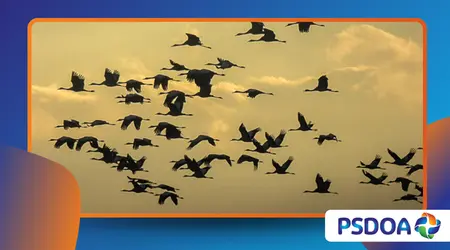
La cibernética en la naturaleza Proporciona una lente revolucionaria a través de la cual podemos observar las complejas interacciones del reino animal a medida que avanzamos hacia principios de 2026.
Anuncios
Este campo científico sugiere que los sistemas biológicos funcionan exactamente como máquinas avanzadas, utilizando bucles de retroalimentación constantes para mantener la estabilidad en medio de entornos caóticos.
La naturaleza no depende de la suerte; funciona a través de una serie de sistemas de control precisos y autorregulados que garantizan la supervivencia mediante una precisión casi matemática.
Al analizar estos circuitos biológicos, los investigadores están descubriendo que la distinción entre la vida orgánica y la ingeniería de alta gama es más delgada de lo que se imaginaba anteriormente.
¿Cuáles son los mecanismos básicos de los ciclos de retroalimentación biológica?
La cibernética en la naturaleza funciona a través de bucles de retroalimentación negativa que actúan como el equivalente biológico de un termostato doméstico de alta tecnología que se ajusta según el calor.
Anuncios
Cuando un sistema se desvía de su estado óptimo, los sensores internos activan una respuesta correctiva que devuelve al organismo a su equilibrio necesario.
Cada movimiento que realiza un animal implica un rápido intercambio de información entre sensores, procesadores y efectores para garantizar una ejecución perfecta.
Esta comunicación interna es lo que permite a un halcón ajustar sus alas en pleno vuelo contra ráfagas repentinas e impredecibles de viento de gran altitud.
¿Cómo impulsa la homeostasis la evolución?
La homeostasis representa el objetivo final de La cibernética en la naturaleza, donde los animales se esfuerzan por mantener las variables internas, como la temperatura, dentro de límites muy estrictos.
Esta autocorrección constante evita el colapso metabólico, permitiendo que las especies prosperen en climas extremos que de otro modo resultarían fatales para organismos no regulados.
La evolución favorece a aquellas criaturas con los sensores de retroalimentación más eficientes, ya que gastan menos energía corrigiendo errores durante su supervivencia diaria.
Esta eficiencia es la piedra angular del éxito biológico, convirtiendo a los seres vivos en instrumentos magistralmente afinados de sus nichos ecológicos específicos.
++ Computadoras líquidas: ¿Podemos reemplazar el silicio con lógica fluida?
¿Por qué el procesamiento neuronal es vital para el control?
El sistema nervioso actúa como la unidad central de procesamiento para La cibernética en la naturaleza, interpretando datos externos para tomar decisiones de supervivencia en fracciones de segundo.
Sin este circuito de control de acción rápida, un animal no podría reaccionar ante los depredadores ni navegar por el complejo terreno de su hábitat natural.
Las neuronas transmiten señales eléctricas que funcionan de manera similar al código binario, traduciendo los estímulos físicos en comandos procesables para el sistema muscular.
Esta compleja red permite los sofisticados patrones de comportamiento que observamos en animales sociales como los lobos o primates altamente inteligentes.
¿Por qué los enjambres son el punto culminante del movimiento colectivo? La cibernética en la naturaleza?
La inteligencia colectiva demuestra que La cibernética en la naturaleza se extiende mucho más allá del individuo, creando un “superorganismo” que procesa información a escala masiva.
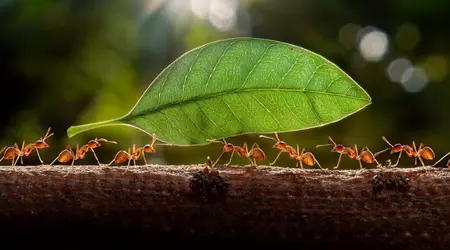
Los murmullos de aves y las colonias de hormigas demuestran cómo miles de unidades pueden moverse como una sola entidad sin un comandante central.
Estos grupos utilizan la retroalimentación local observando a sus vecinos inmediatos para crear patrones globales complejos que confunden a los depredadores y optimizan la búsqueda de alimento.
Este control descentralizado está siendo estudiado actualmente por ingenieros para desarrollar la próxima generación de enjambres robóticos autónomos para 2026.
Según una investigación publicada en Comunicaciones de la naturaleza (2024), los movimientos colectivos de los animales siguen los mismos principios matemáticos que los paquetes de datos de alta velocidad en las redes modernas de fibra óptica.
Este descubrimiento cierra la brecha entre los bosques salvajes y nuestras infraestructuras de comunicación digital más avanzadas.
¿Alguna vez te has preguntado si el “alma” de un bosque es simplemente una red masiva e interconectada de bucles de retroalimentación que procesan datos en tiempo real?
Esta perspectiva cambia nuestra comprensión de la vida, desde una fuerza misteriosa a un milagro matemático brillante y autocorrector.
Lea también: La dilatación del tiempo en la vida real: ¿qué les sucede a los astronautas?
¿Cómo regulan las abejas las temperaturas de la colmena?
Las abejas demuestran La cibernética en la naturaleza actuando como un sistema de enfriamiento viviente cuando la colmena excede un umbral de temperatura crítico.
Coordinan el movimiento de sus alas para crear un flujo de aire estratégico que reduce el calor interno, protegiendo a las larvas vulnerables del daño térmico.
Esta regulación térmica colectiva es tan precisa que la temperatura de la colmena rara vez fluctúa más de un grado durante el verano.
Es un ejemplo sorprendente de cómo los circuitos de retroalimentación descentralizados pueden lograr resultados que rivalizan con los sistemas climáticos industriales más costosos.
Leer más: Cómo las colonias de hormigas imitan los sistemas de tráfico humano
¿Cuál es el papel de las feromonas en la lógica de las hormigas?
Las hormigas utilizan circuitos de retroalimentación química para construir las cadenas de suministro más eficientes del reino animal sin ninguna estructura de gestión formal.
Una hormiga exploradora deja un rastro de feromonas que otras siguen y, a medida que más hormigas recorren el camino, la señal se fortalece, creando un ciclo de retroalimentación positiva.
Una vez que la fuente de alimento se agota, las feromonas se evaporan y el bucle se rompe, lo que permite que la colonia redistribuya su fuerza laboral instantáneamente.
Este La cibernética en la naturaleza Un ejemplo muestra cómo unos simples insumos químicos pueden resolver problemas logísticos complejos a través de una retroalimentación ambiental automatizada.
¿Cómo la cibernética en la naturaleza inspira la tecnología moderna?
La biomimética es la práctica de copiar los sistemas de retroalimentación que se encuentran en La cibernética en la naturaleza para construir tecnologías humanas más resilientes y adaptables.
Actualmente, los ingenieros están diseñando materiales autocurativos y algoritmos adaptativos basados en la forma en que los lagartos regeneran sus colas o los pulpos cambian la textura de su piel.
Al estudiar estos sistemas de control orgánico, avanzamos hacia un futuro en el que nuestras máquinas podrán “sentir” y “reaccionar” como tejido vivo.
Esta integración de biología y tecnología promete resolver algunos de los desafíos de ingeniería más difíciles del siglo XXI.
Un pulpo ajustando su camuflaje es como un avión de combate furtivo actualizando constantemente sus paneles absorbentes de radar para adaptarse a un fondo digital cambiante.
El animal no piensa en el color; el circuito de retroalimentación de la piel reacciona automáticamente a la luz que incide sobre las rocas que la rodean.
El panorama tecnológico de 2026 se define por este enfoque “orgánico” del software, donde los programas evolucionan y se reparan a sí mismos en función de los comentarios de los usuarios.
La cibernética en la naturaleza Sirve como modelo para esta nueva era de sistemas inteligentes y autosuficientes que cierran la brecha entre el silicio y la célula.
¿Por qué la dinámica depredador-presa es un ciclo de retroalimentación?
La relación entre un cazador y su presa es un ejemplo clásico de un ciclo de retroalimentación a gran escala dentro de La cibernética en la naturaleza.
A medida que aumentan las poblaciones de presas, los depredadores prosperan y se multiplican, lo que eventualmente conduce a una disminución de las presas, reduciendo posteriormente la población de depredadores.
Esta oscilación mantiene la salud ecológica del planeta, impidiendo que alguna especie destruya permanentemente su propio suministro de alimentos.
Es la forma que tiene la naturaleza de garantizar que el sistema global se mantenga equilibrado y sostenible a lo largo de millones de años de cambio ambiental.
¿Cómo utilizan las aves migratorias los sensores magnéticos?
Las aves migratorias utilizan biobrújulas internas que representan una forma altamente especializada de La cibernética en la naturaleza para la navegación de larga distancia en todo el mundo.
Estos sensores detectan el campo magnético de la Tierra y proporcionan un flujo constante de datos direccionales que el ave procesa en pleno vuelo.
Si el ave se desvía de su curso debido a fuertes vientos, el circuito interno proporciona una señal correctiva que la guía de regreso a su destino.
Esta increíble precisión permite a los pequeños pájaros cantores cruzar continentes y océanos enteros con mayor precisión que muchas de las primeras herramientas marítimas utilizadas por los humanos.
Mecanismos de retroalimentación en diferentes grupos biológicos
| Grupo de animales | Tipo de retroalimentación | Sensor primario | Beneficio de supervivencia |
| Insectos sociales | Feromonas | Antenas | Optimización de recursos |
| Aves migratorias | Magnetorrecepción | Criocromos | Navegación global |
| mamíferos marinos | Ecolocalización | Órgano de melón | Localización de presas |
| Reptiles | Termorregulación | Órganos de foso | Conservación de energía |
| Seres humanos | Homeostasis | Hipotálamo | Estabilidad interna |
En conclusión, La cibernética en la naturaleza Revela que el reino animal es una obra maestra de la teoría de la información y el control autorregulador.
Desde la célula individual hasta los patrones de migración masiva de las ballenas, los bucles de retroalimentación son los hilos invisibles que mantienen unido el tejido de la vida.
Al comprender estos sistemas, no sólo adquirimos un respeto más profundo por el mundo natural, sino que también encontramos las claves para nuestra propia evolución tecnológica.
La naturaleza ha pasado miles de millones de años perfeccionando su “software” y finalmente ha llegado el momento de que aprendamos a leer el código.
¿Qué ciclo de retroalimentación biológica te parece más impresionante por su capacidad para mantener el orden en la naturaleza? ¡Comparte tu experiencia en los comentarios!
Preguntas frecuentes
¿Es la cibernética en la naturaleza lo mismo que la biónica?
No, mientras que la biónica se centra en reemplazar miembros con máquinas, la cibernética se centra en el flujo abstracto de información y bucles de control dentro de cualquier sistema, ya sea orgánico o mecánico.
¿Pueden los humanos controlar sus propios bucles de retroalimentación?
Hasta cierto punto, sí. Técnicas como la biorretroalimentación y la meditación permiten a los humanos influir en su ritmo cardíaco y niveles de estrés, esencialmente "hackeando" sus sistemas cibernéticos internos.
¿Por qué un ciclo de retroalimentación negativa es en realidad “positivo” para la vida?
En cibernética, «negativo» se refiere a la sustracción de un error. Significa que el sistema está trabajando para reducir la brecha entre el estado actual y el objetivo, lo cual es esencial para la estabilidad.
¿Las plantas también utilizan estos sistemas de retroalimentación?
Por supuesto. Las plantas utilizan circuitos de retroalimentación para regular la pérdida de agua a través de sus hojas y crecer hacia fuentes de luz, lo que demuestra que la cibernética es un principio universal de toda la vida.
¿Cómo utiliza la tecnología 2026 estos principios?
Estamos viendo el auge de la “IA orgánica” que utiliza arquitecturas neuronales que imitan los ciclos de retroalimentación de organismos simples para resolver problemas de datos complejos con un consumo de energía mucho menor.
