
Cómo imprimimos órganos humanos con biotinta
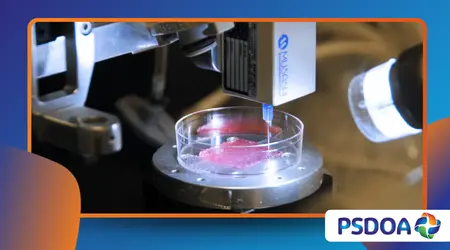
Estamos imprimiendo órganos humanos con biotinta para cerrar la brecha entre las trágicas listas de espera y un futuro donde el fracaso biológico ya no sea una sentencia de muerte.
Anuncios
A principios de 2026, la intersección de la robótica y la medicina regenerativa ha pasado de los experimentos de laboratorio a los debates clínicos del mundo real sobre la atención personalizada al paciente.
Mi análisis sugiere que estamos presenciando el comienzo de la “fabricación biológica”, donde las células vivas sirven como materia prima para la ingeniería estructural compleja.
Este salto tecnológico transforma la forma en que percibimos el cuerpo humano, tratando el tejido enfermo no como una pérdida permanente, sino como un componente reemplazable.
Breve descripción del progreso de la bioimpresión
- Tecnología: Deposición 3D de precisión utilizando grupos celulares y andamios de hidrogel.
- El medio: Biotintas especializadas derivadas de células madre o adiposas del propio paciente.
- Hito actual: Impresión exitosa de injertos de piel vascularizados y estructuras complejas de cartílago.
- El horizonte: Corazones y riñones totalmente funcionales y trasplantables, adaptados a perfiles genéticos individuales.
¿Cómo transforma la tecnología de bioimpresión la medicina?
Los científicos ahora utilizan impresoras 3D especializadas para depositar capas delgadas de células vivas, creando estructuras que imitan la complejidad del tejido humano.
Anuncios
El proceso comienza con un mapa digital, donde una resonancia magnética o una tomografía computarizada guía la boquilla de la impresora con precisión submilimétrica a través de una plataforma estéril.
Estamos imprimiendo órganos humanos con biotinta utilizando un delicado equilibrio de temperatura y presión para garantizar la supervivencia celular durante la fase de extrusión.
Si la presión permanece demasiado alta, la fuerza mecánica destruye las membranas celulares, haciendo que toda la estructura biológica sea inútil para la implantación médica.
¿Cuál es la composición de la biotinta?
La biotinta generalmente consiste en un cóctel de grupos de células vivas mezclados con un hidrogel rico en nutrientes que actúa como un pegamento biológico temporal.
Este gel proporciona el soporte estructural necesario mientras las células comienzan a comunicarse y forman la matriz extracelular natural necesaria para la estabilidad del tejido.
En mi opinión, el gel se comporta como un andamiaje biológico, permitiendo que el “edificio” mantenga su forma hasta que las células residentes tomen el control.
Una vez que las células se fusionan y maduran, el hidrogel a menudo se disuelve, dejando atrás una estructura puramente orgánica que el cuerpo del paciente puede integrar.
++ Cibernética en la naturaleza: bucles de retroalimentación en el reino animal
¿Por qué utilizar células del propio paciente?
El uso de células autólogas elimina el riesgo de rechazo de órganos, que sigue siendo el principal obstáculo en la cirugía de trasplante tradicional hoy en día.
Al recolectar células madre de un paciente, los médicos garantizan que el sistema inmunológico reconozca el órgano impreso como “propio” y no como un invasor extraño.
Lo que muchos olvidan es que esta personalización reduce la necesidad de tomar medicamentos inmunosupresores de por vida, que a menudo conllevan efectos secundarios graves.
Estamos imprimiendo órganos humanos con biotinta específicamente para adaptar la geometría y la biología del reemplazo a las necesidades únicas del receptor.
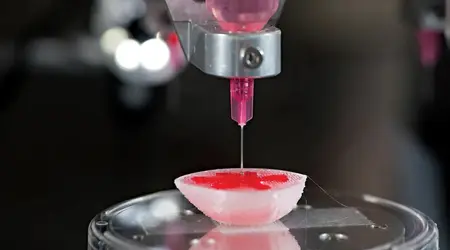
¿Cuáles son los desafíos actuales en la impresión de órganos completos?
Crear un bloque sólido de tejido es relativamente simple, pero construir un órgano funcional requiere una red compleja de vasos sanguíneos microscópicos.
Sin un suministro constante de oxígeno y nutrientes, las células en el centro de un órgano impreso mueren rápidamente por asfixia metabólica.
Estamos imprimiendo órganos humanos con biotinta Mientras tanto, intentamos resolver el “problema de la vascularización” a través de canales microfluídicos integrados que imitan el sistema circulatorio.
Éste es el mayor desafío de la ingeniería: ¿cómo imprimir un sistema de autopistas para la sangre al mismo tiempo que se imprime una ciudad?
Lea también: Computadoras líquidas: ¿Podemos reemplazar el silicio con lógica fluida?
¿Cómo imprimimos los vasos sanguíneos?
Investigadores innovadores han desarrollado “tintas de sacrificio” que mantienen espacio para los vasos sanguíneos durante el proceso de impresión, pero se derriten una vez que el tejido se estabiliza.
Esto deja túneles huecos que pueden revestirse con células endoteliales, permitiendo eventualmente que la sangre fluya naturalmente a través del órgano artificial.
Minimizar la escala de estos vasos es difícil, ya que los capilares son más delgados que un cabello humano y requieren una precisión extrema para replicarlos.
Estamos imprimiendo órganos humanos con biotinta utilizando sistemas láser de alta resolución que pueden activar la colocación de células sin contacto físico, preservando la integridad de las frágiles capas biológicas.
Leer más: La dilatación del tiempo en la vida real: ¿qué les sucede a los astronautas?
¿Por qué es necesaria la maduración de los órganos?
Un corazón recién impreso no comienza a latir inmediatamente; requiere un período de “incubación” en un biorreactor que simula las condiciones corporales.
Este entorno proporciona estimulación eléctrica y mecánica, enseñando a las células a trabajar al unísono como un músculo funcional y rítmico en lugar de una forma estática.
Mi recomendación para usted es que vea a la impresora como el “ensamblador” y al biorreactor como el “entrenador” del nuevo órgano.
Según un Estudio de 2025 publicado en Nature BiotechnologyLos tejidos madurados bajo estrés mecánico mostraron un aumento de 40% en la durabilidad estructural en comparación con los modelos estáticos.
¿Por qué el debate ético está cambiando en 2026?
A medida que avanza la tecnología, debemos afrontar la realidad de la biofabricación y sus implicaciones para la prolongación de la vida humana y los mercados de órganos comerciales.
Estamos imprimiendo órganos humanos con biotinta a un ritmo que a menudo supera nuestros marcos jurídicos actuales en materia de propiedad biológica y equidad médica.
¿Podríamos algún día imprimir versiones “mejoradas” de nuestros órganos, o esta tecnología quedará reservada sólo para los individuos más ricos del mundo?
Creo que nos estamos acercando a una encrucijada social en la que la definición de salud “natural” se verá cuestionada por nuestras propias capacidades de fabricación.
¿Quién es dueño del plano genético?
Los archivos digitales utilizados para imprimir un órgano contienen información genética sensible que, en teoría, podría utilizarse para replicar la biología de una persona.
Establecer derechos de propiedad claros sobre estos “archivos CAD biológicos” es esencial para evitar el uso no autorizado de la identidad celular personal de un paciente.
En mi análisis, los datos son tan valiosos como las células mismas, lo que requiere nuevos estándares de cifrado para los registros médicos en la era de la bioimpresión.
Estamos imprimiendo órganos humanos con biotinta mientras que esencialmente creamos un gemelo digital de nuestra anatomía interna, lo que genera enormes preocupaciones sobre la privacidad.
¿Cómo reduce la bioimpresión la experimentación con animales?
Las compañías farmacéuticas ya están utilizando tejidos impresos de hígado y piel humanos para probar nuevos medicamentos, reduciendo drásticamente la dependencia de modelos animales.
Estos sistemas de “órgano en un chip” proporcionan datos más precisos porque utilizan respuestas biológicas humanas en lugar de aproximaciones entre especies que a menudo fallan en los ensayos.
Este cambio no sólo satisface preocupaciones éticas sino que también acelera el desarrollo de medicamentos que salvan vidas al identificar la toxicidad en una etapa temprana del proceso.
Estamos imprimiendo órganos humanos con biotinta Salvar vidas hoy, incluso antes de que el primer trasplante de corazón completo realizado mediante una impresora se convierta en una realidad común.
Tabla comparativa de bioimpresión médica (actualización 2026)
| Tipo de órgano | Etapa de desarrollo actual | Obstáculo técnico importante | Uso clínico estimado |
| Injertos de piel | Ensayos clínicos / En uso | Pigmentación y folículos pilosos | Disponible ahora |
| Vejiga | Implantes humanos piloto | Elasticidad estructural | 1-2 años |
| Parche para el hígado | Toxicología preclínica | Complejidad metabólica | 3-5 años |
| Corazón | Maduración del prototipo | ritmo sincronizado | 8-10 años |
| Riñón | Investigación microestructural | Redes de filtración | 12+ años |
La evolución de la fabricación médica sugiere que Estamos imprimiendo órganos humanos con biotinta es el logro más significativo de la biología moderna.
Hemos pasado de simplemente reparar el cuerpo a regenerarlo activamente utilizando el propio código celular del paciente como modelo principal.
Este viaje desde la imagen digital al tejido vivo y respirable representa un triunfo del ingenio humano sobre las limitaciones de nuestra propia mortalidad.
Si bien el desafío de imprimir órganos completos y complejos como el riñón sigue siendo abrumador, el progreso en la piel y el cartílago ya está cambiando vidas.
A medida que perfeccionamos nuestras biotintas y biorreactores, la línea entre tecnología y biología seguirá desdibujándose.
Ya no somos simplemente observadores de la complejidad de la vida; nos estamos convirtiendo en sus arquitectos maestros, una capa de células a la vez.
¿Crees que un corazón impreso podría ser superior al que naciste, o eso traspasa una línea para la que no estamos preparados? ¡Comparte tu experiencia en los comentarios!
Preguntas frecuentes
¿Un órgano bioimpreso se considera una pieza “cyborg”?
No, porque está compuesto íntegramente de material biológico y células del propio paciente, lo que lo convierte en una extensión natural de su cuerpo.
¿Cuánto tiempo se tarda en imprimir un órgano humano?
Un simple injerto de piel puede llevar minutos, mientras que un andamio complejo como un corazón podría requerir varios días de impresión 3D continua.
¿La bioimpresión dejará obsoletos a los donantes de órganos?
Eventualmente sí, pero durante la próxima década seguiremos dependiendo de los donantes tradicionales mientras la tecnología de bioimpresión se amplía para órganos internos complejos.
Estamos imprimiendo órganos humanos con biotinta¿Pero es caro?
Actualmente, el costo es alto debido a las salas blancas especializadas y al procesamiento de células madre requerido, pero los precios están bajando a medida que aumenta la automatización.
¿Qué pasa si la biotinta se seca?
Las células morirían instantáneamente. Todo el proceso de impresión debe realizarse en un ambiente altamente humidificado y con temperatura controlada para mantener viva la tinta.
