
Cohetes reutilizables de la década de 1960 que nunca se lanzaron
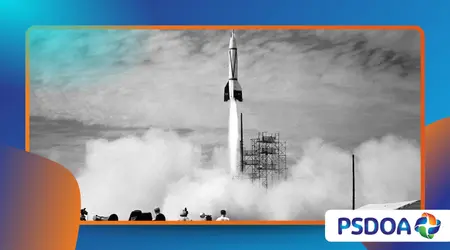
Cohetes reutilizables de la década de 1960 representan un fascinante “qué hubiera pasado si” en la historia de los vuelos espaciales humanos, sugiriendo que nuestro camino moderno alguna vez fue casi una realidad.
Anuncios
Mientras SpaceX domina los titulares de hoy con sus aterrizajes verticales, los brillantes ingenieros de la era Apolo ya habían elaborado planos de naves que pudieran regresar a casa.
La década de 1960 no se limitó a la Luna; fue un caldo de cultivo para la eficiencia radical. Los ingenieros buscaban reducir drásticamente los costos astronómicos del hardware prescindible.
Estos diseños olvidados prueban que la tecnología para aterrizar cohetes como aviones o pilares verticales existía décadas antes de la actual revolución espacial privada.
- Pioneros verticales: La visión de Philip Bono para el SASSTO y la boquilla “de tapón” reutilizable.
- El gigante del nexo: El plan de General Dynamics para construir un propulsor recuperable de gran tamaño lanzado desde el mar.
- Barreras económicas: Por qué el transbordador espacial eclipsó conceptos más eficientes de la década de 1960.
- Legado renacido: Cómo las empresas modernas finalmente hicieron realidad los sueños de los contratistas de la NASA de la década de 1960.
¿Por qué Philip Bono quería un cohete de una sola etapa?
Philip Bono fue un ingeniero visionario de Douglas Aircraft que creía que descartar costosas etapas de cohetes era un trágico desperdicio de recursos de los contribuyentes.
Anuncios
Diseñó el SASSTO (Saturn Application Single Stage to Orbit), un vehículo destinado a despegar y aterrizar como una sola unidad.
Su diseño utilizó un motor de tobera de tipo "tapón", que actuaba como escudo térmico durante la reentrada. Los conceptos de Bono se adelantaron décadas a su tiempo, centrándose en la simplicidad y la rapidez de respuesta para que los viajes espaciales fueran sostenibles.
¿Cuál fue el concepto SASSTO?
El SASSTO era un elegante vehículo propulsado por hidrógeno, diseñado para transportar pequeñas cargas útiles. Su objetivo era demostrar que Cohetes reutilizables de la década de 1960 Podría aterrizar verticalmente utilizando pequeños propulsores para un aterrizaje suave.
Los investigadores de la NASA finalmente se inclinaron por los cohetes multietapa para la Luna, dejando el trabajo de Bono archivado. Sin embargo, sus ideas sentaron las bases para el cohete experimental DC-X, probado a principios de la década de 1990.
++ La visión de los rascacielos submarinos en la década de 1920
¿Cómo funcionaba la boquilla del tapón?
La tobera de Bono se ajustó a diferentes presiones atmosféricas durante el ascenso. Esto evitó la pérdida de energía típica de los motores de campana estándar al salir de la densa atmósfera inferior.
Durante el regreso, la base del cohete se enfrentó al calor. Esta inteligente decisión de ingeniería significó que el propio motor protegió a la nave de quemarse al reingresar.
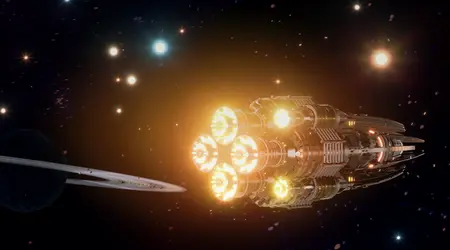
¿Qué tan grande era el General Dynamics Nexus?
El General Dynamics Nexus era un coloso diseñado para transportar la asombrosa cantidad de un millón de libras a la órbita. Este gigante hacía que el Saturno V pareciera un juguete, centrándose en la potencia pura y recuperable.
Fue diseñado para despegar desde el océano y así evitar dañar la infraestructura terrestre. Tras su misión, el Nexus se sumergiría en el agua para su reacondicionamiento y vuelos posteriores.
Lea también: Ciudades subterráneas olvidadas diseñadas como refugios de guerra
¿Por qué lanzarse desde el mar?
El lanzamiento desde el océano proporcionó un amortiguador natural para la inmensa energía acústica generada por el Nexus. Cohetes reutilizables de la década de 1960 requería vastas zonas de exclusión que sólo el mar abierto podía proporcionar.
Los ingenieros imaginaron una flota de estos gigantes que actuarían como naves de carga para las misiones a Marte. Sin embargo, la recuperación de agua salada planteaba importantes problemas de corrosión que la tecnología de la época no podía resolver fácilmente.
Leer más: El cañón de vapor: por qué fue abandonado por los militares
¿Qué pasó con el proyecto Nexus?
Finalmente, el Nexus se consideró demasiado caro para los objetivos inmediatos de la Guerra Fría. El presupuesto de la NASA se destinó a las misiones Apolo, que exigían resultados rápidos en infraestructura reutilizable a largo plazo.
El proyecto sigue siendo un testimonio de la magnitud de la ambición de la década de 1960. Demostró que los ingenieros ya estaban pensando en la colonización y la logística de carga pesada a escala planetaria.
¿Por qué el transbordador espacial reemplazó estos diseños?
El transbordador espacial estaba destinado a ser la nave reutilizable definitiva, pero llegó con una gran complejidad. Sustituyó el simple aterrizaje vertical de... Cohetes reutilizables de la década de 1960 para una aproximación alada, similar a un planeador.
Si bien el transbordador fue un icono, sus costos de mantenimiento eran significativamente más altos que los de las naves de una sola etapa concebidas por Bono. Este cambio retrasó casi medio siglo el sueño de un acceso espacial verdaderamente asequible.
¿El transbordador fue realmente reutilizable?
El transbordador solo era parcialmente reutilizable, ya que su enorme tanque externo se destruía en cada lanzamiento. Los cohetes propulsores sólidos se recuperaron, pero requirieron una reconstrucción extensa y costosa tras impactar en el océano.
Verdadero Cohetes reutilizables de la década de 1960 Su objetivo era una respuesta casi instantánea, similar a la de un avión comercial. Lamentablemente, el transbordador requirió meses de trabajo especializado entre sus misiones orbitales para garantizar su seguridad.
¿Cómo se compara la tecnología moderna?
Según una retrospectiva de 2024 realizada por Fundación EspacialEl costo por kilogramo en órbita ha disminuido 90% desde que la reutilización se convirtió en estándar. Esto valida las teorías de principios de la década de 1960 que afirmaban que la recuperación era el único camino hacia una civilización espacial.
Cohetes modernos como el Falcon 9 finalmente utilizan las técnicas de retropropulsión que Bono promovió. Estamos utilizando software del siglo XXI para volar configuraciones de hardware inspiradas en los años 60.
Comparación histórica de conceptos reutilizables de la década de 1960
| Nombre del proyecto | Diseñador principal | Método de lanzamiento | Objetivo de recuperación | Resultado |
| SASSTO | Philip Bono | Tierra vertical | 100% Reutilizable | Sólo concepto |
| Nexo | Dinámica general | Lanzamiento al mar | Recuperación de agua | No financiado |
| GALLINERO | Aviones Douglas | Vertical | Ala de parapente | Cancelado |
| Mástil estelar | Martín Marietta | Vertical | Entrada balística | Archivado |
La historia de Cohetes reutilizables de la década de 1960 Sirve como un recordatorio vital de que la innovación a menudo está limitada por la política más que por la física.
Pasamos décadas utilizando máquinas desechables, pero los planos para nuestra era actual ya estaban acumulando polvo en viejos archivadores.
Al revisar estas ideas olvidadas, nos damos cuenta de que el futuro de los viajes espaciales es en realidad un regreso a los sueños más audaces del pasado.
Las misiones modernas a la Luna y a Marte ahora se basan en los mismos principios de aterrizaje vertical que Bono y sus pares lucharon por implementar.
Este legado demuestra que una gran idea nunca muere del todo; simplemente espera a que la tecnología se ponga al día con la visión. Si hubiéramos seguido el camino de Bono en 1967, ¿dónde estarían nuestras colonias marcianas en 2026?
Preguntas frecuentes
¿Por qué la NASA no construyó estos cohetes en la década de 1960?
El objetivo principal era ganar la carrera espacial. Los cohetes desechables se construyeron y probaron más rápido bajo la intensa presión de la Guerra Fría.
¿Eran seguros estos diseños de los años 60?
En teoría, eran robustos. Sin embargo, los materiales de protección térmica y los sistemas de guiado informático de la época aún no eran lo suficientemente precisos para aterrizajes verticales fiables.
¿Elon Musk utilizó estos viejos diseños?
Si bien SpaceX desarrolló su propia tecnología, la física de retropropulsión y aterrizaje vertical utilizada por Cohetes reutilizables de la década de 1960 Son los mismos principios fundamentales que se aplican hoy en día.
¿Qué era la boquilla “tapón”?
Se trataba de un diseño de motor aerodinámico que funcionaba eficientemente a cualquier altitud. Aún se considera un "santo grial" para los futuros vehículos de una sola etapa a la órbita.
¿Cuánto habría costado el Nexus?
Ajustado a la inflación, un solo Nexus habría costado miles de millones. Sin embargo, su capacidad para transportar cargas masivas habría reducido significativamente el costo por libra con el tiempo.
¿Crees que perdimos décadas ignorando estos primeros diseños reutilizables? ¡Comparte tu experiencia y opiniones en los comentarios!
