
Proyecto Gusano de Hielo: Bases nucleares secretas de EE. UU. bajo Groenlandia
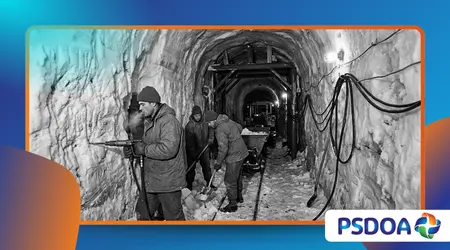
Proyecto Gusano de Hielo Sigue siendo uno de los secretos más audaces y escalofriantes de la Guerra Fría, una ambición nuclear enterrada que aún acecha al Ártico.
Anuncios
Oculta en las profundidades de la capa de hielo de Groenlandia, esta operación estadounidense de gran envergadura tenía como objetivo crear una red subterránea de plataformas de lanzamiento para misiles nucleares.
Mientras el mundo se centraba en la carrera espacial, el ejército estadounidense esculpió una ciudad helada en el permafrost, albergando soldados e incluso un reactor nuclear.
Hoy, a medida que aumentan las temperaturas globales en 2026, el deshielo amenaza con revelar secretos tóxicos que nunca debieron salir a la luz.
Descripción general del legado ártico
- Ambición subterránea: La maravilla arquitectónica de construir miles de kilómetros de túneles directamente en la capa de hielo de Groenlandia.
- Paradoja nuclear: Cómo el Campamento Century funcionó como una tapadera "científica" para una estrategia militar de despliegue de misiles de alto riesgo.
- Crisis ambiental: La lucha actual contra los residuos radiactivos se intensifica a medida que el hielo del Ártico se derrite más rápido de lo que los investigadores predijeron inicialmente.
- Tensión geopolítica: El impacto diplomático duradero en las relaciones entre Estados Unidos y Dinamarca tras la desclasificación de estos planes nucleares secretos.
¿Cuál era el objetivo estratégico de la base secreta?
La misión principal de Proyecto Gusano de Hielo El objetivo era desplegar misiles nucleares de alcance medio lo suficientemente cerca de la Unión Soviética como para eludir los sistemas de detección y defensa.
Anuncios
Los planificadores militares concibieron 4.000 kilómetros de túneles por donde 600 misiles Iceman se desplazarían constantemente sobre raíles subterráneos para evitar contraataques selectivos.
Utilizando el hielo como escudo natural, Estados Unidos esperaba crear una fuerza de ataque móvil e invisible que pudiera responder instantáneamente a cualquier agresión.
Esto requirió una ingeniería sin precedentes, transformando el desolado interior de Groenlandia en una fortaleza de alta tecnología capaz de albergar a cientos de personas durante todo el año.
¿Cómo funcionó el reportaje de portada?
Para ocultar la intención militar, Estados Unidos estableció Camp Century, que se promocionó públicamente como un laboratorio de investigación para probar técnicas y ciencia de construcción en climas fríos.
Los científicos sí realizaron investigaciones genuinas sobre núcleos de hielo, pero sin saberlo, estaban proporcionando los datos geológicos necesarios para estabilizar los silos de misiles nucleares.
Los observadores internacionales consideraron el campamento como un triunfo del ingenio humano, más que como un emplazamiento militarizado.
Este engaño permitió que el proyecto siguiera adelante sin la fricción diplomática inmediata que habría provocado una base nuclear permanente en territorio danés.
++ El Gran Seto de la India: La barrera oculta del Imperio Británico
¿Por qué el hielo destruyó el sueño?
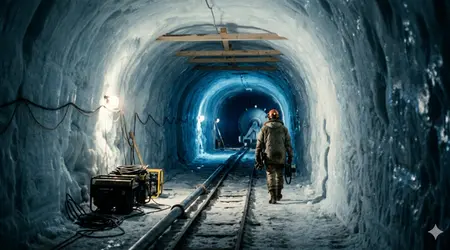
Los ingenieros pronto descubrieron que el hielo no es una roca estática; es un fluido en movimiento que, con el tiempo, aplasta todo lo que encuentra a su paso.
En cuestión de años, los túneles comenzaron a deformarse y derrumbarse, lo que puso en peligro la integridad estructural de la base y la seguridad del reactor nuclear.
El movimiento constante hacía imposible mantener rectas las vías del tren, lo que invalidaba el concepto de misil móvil.
En 1966, los militares abandonaron el proyecto, dejando tras de sí una bomba de relojería de infraestructuras y residuos enterrados bajo metros de nieve.
¿Cómo afecta el deshielo a la seguridad en 2026?
El cambio climático ha convertido la tumba de Proyecto Gusano de Hielo en una pesadilla medioambiental contemporánea a medida que la capa de hielo se adelgaza a velocidades récord.
Los investigadores estiman que, para finales de este siglo, los restos tóxicos, incluidos el refrigerante radiactivo y los PCB, podrían filtrarse al océano.
A diferencia de la década de 1960, donde el entierro significaba "desaparecer para siempre", los datos satelitales de 2026 muestran un derretimiento significativo de la superficie cerca del sitio original de Camp Century.
Este cambio geológico nos obliga a confrontar la arrogancia de los líderes de la Guerra Fría que veían el Ártico como un vertedero infinito e inmutable.
Lea también: Los verdaderos orígenes de las supersticiones comunes
¿Qué materiales peligrosos permanecen enterrados?
La base dejó tras de sí aproximadamente 200.000 litros de combustible diésel, enormes cantidades de PCB tóxicos y miles de litros de aguas residuales radiactivas procedentes del reactor.
Estos materiales reposan en trincheras sin revestimiento, protegidos únicamente por las capas cada vez más delgadas de nieve compactada que alguna vez parecieron una bóveda impenetrable.
Si estos productos químicos llegan al Atlántico Norte, podrían devastar la pesca local y los medios de subsistencia tradicionales de las comunidades groenlandesas.
El coste de la remediación es astronómico, lo que ha generado un punto muerto en la cuestión de "quién paga" entre Estados Unidos, Dinamarca y el ahora gobierno autónomo de Groenlandia.
Leer más: Desastres naturales olvidados que transformaron civilizaciones
¿Cómo monitorean el sitio los científicos modernos?
Equipos internacionales utilizan radares de penetración terrestre y sensores de hielo profundo para rastrear la migración de la nube de residuos a través de las cambiantes capas de hielo.
Estas misiones de 2026 son cruciales para predecir cuándo los contaminantes finalmente saldrán a la superficie o alcanzarán el agua de deshielo basal que se encuentra debajo.
El lugar es como una cápsula del tiempo congelada que ha comenzado a descongelarse, liberando no solo metal y vidrio, sino también un peligroso legado histórico.
Cada centímetro de hielo que se pierde acerca al mundo a una tarea de limpieza que antes se consideraba físicamente imposible e innecesaria.
¿Por qué la desclasificación conmocionó al mundo?
Cuando los archivos secretos de Proyecto Gusano de Hielo Cuando finalmente salió a la luz a finales de la década de 1990, desencadenó una grave crisis diplomática para Dinamarca.
El gobierno danés había mantenido durante mucho tiempo una política antinuclear, pero sin saberlo había permitido la existencia de una enorme infraestructura nuclear en su territorio.
Esta revelación cambió la perspectiva de los historiadores sobre la Guerra Fría, demostrando que el Ártico estaba mucho más militarizado de lo que sugerían los registros públicos.
Este proyecto sirve como recordatorio de que las agendas militares secretas pueden tener consecuencias ambientales que perduran durante siglos, mucho después de que finalice el conflicto.
¿Cuáles son las repercusiones diplomáticas actuales?
En 2026, el gobierno de Groenlandia utilizará el sitio como una poderosa moneda de cambio en las negociaciones sobre soberanía y reparaciones ambientales por parte de Estados Unidos.
Constituye una cicatriz física de la expansión militar de la época colonial, que ignoró los derechos y la seguridad de las poblaciones locales del Ártico.
La base se ha convertido en un símbolo de la "basura de la Guerra Fría" que el mundo moderno debe gestionar ahora con recursos limitados y condiciones climáticas extremas.
Esto propicia un debate sobre la responsabilidad de las superpotencias por el daño ecológico a largo plazo causado por sus programas secretos de defensa.
¿Por qué es importante esta historia para el futuro?
Comprender este experimento fallido nos ayuda a reconocer los peligros de la geoingeniería o la expansión militar en ecosistemas frágiles y poco conocidos, como las profundidades glaciales.
Es una historia aleccionadora sobre los límites de la tecnología cuando se enfrenta al poder implacable y lento del mundo natural.
¿Cuántos otros proyectos secretos permanecen enterrados bajo nuestros pies, esperando a que cambie el clima para revelar sus verdaderos costes?
Esta pregunta nos interpela al darnos cuenta de que el pasado y el futuro están vinculados por el mismo suelo que elegimos pisar.
Perfil técnico y medioambiental del proyecto Iceworm
| Característica | Especificación de diseño (1960) | Estado actual (2026) | Nivel de impacto |
| Red de túneles | 4.000 km planificados | Colapsado / Deformado | Falla estructural |
| Reactor nuclear | Fuente de alimentación portátil PM-2A | Residuos eliminados / Residuos residuales | Riesgo radiactivo |
| Residuos tóxicos | Más de 200.000 litros | Peligro de lixiviación | Ecológico extremo |
| Capacidad de misiles | 600 misiles Iceman | Nunca desplegado | Engaño histórico |
| Espesor del hielo | Blindaje estable | Adelgazamiento rápido | Vulnerabilidad climática |
| Ubicación | Campamento Century, Groenlandia | Zona de vigilancia | Fricción geopolítica |
| Población | 200 soldados/científicos | Deshabitado | Gestión de residuos |
| Costo de limpieza | No calculado | Estimado $2 mil millones+ | Bloqueo financiero |
El informe de 2026 del Grupo de Trabajo Ambiental del Ártico Confirma que la tasa de ablación en Camp Century ha aumentado en 15% desde 2010.
Estos datos demuestran que el entierro “eterno” de Proyecto Gusano de Hielo Es una falacia que las generaciones actuales deben resolver mediante una cooperación internacional costosa y compleja.
En definitiva, el proyecto representa un intento fallido de conquistar la naturaleza mediante el poder nuclear, dejando tras de sí un legado de contaminación en lugar de seguridad.
Los túneles del Campamento Century ya no son una defensa contra un viejo enemigo, sino una vulnerabilidad en nuestra lucha contra el cambio climático.
A medida que el hielo continúa derritiéndose, los secretos del pasado seguirán saliendo a la luz, recordándonos que no existe tal cosa como "desaparecer" cuando arrojamos cosas al medio ambiente.
Debemos actuar ahora para garantizar que este fantasma congelado no se convierta en una catástrofe líquida para la gente del Norte.
¡Comparte tu opinión sobre quién debería ser responsable de la limpieza del Ártico en los comentarios a continuación!
Preguntas frecuentes
¿Sigue estando abierto al público el Campamento Century?
No, el yacimiento permanece enterrado bajo el hielo en una zona remota, y el acceso no autorizado está estrictamente prohibido debido a las condiciones climáticas extremas y a problemas de seguridad.
¿Alguna vez funcionó el reactor nuclear de la base?
Sí, el reactor PM-2A suministró energía a la base durante varios años antes de ser desmantelado y trasladado de vuelta a Estados Unidos.
¿Por qué no limpiaron la base cuando se fueron?
En aquel momento, el ejército estadounidense creía que el hielo mantendría los residuos congelados y aislados durante decenas de miles de años, lo que hacía que la limpieza pareciera innecesaria.
¿Tiene Dinamarca voz y voto en la supervisión actual?
Dinamarca y Groenlandia colaboran estrechamente con científicos estadounidenses para supervisar el lugar, aunque la responsabilidad legal por los residuos sigue siendo objeto de debate.
