
Inventos olvidados diseñados para personas sordas en la época victoriana.
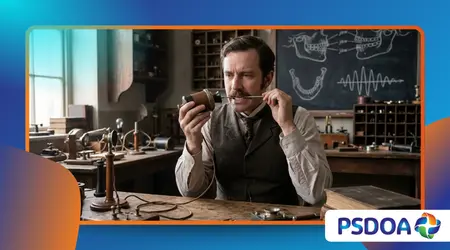
Inventos olvidados diseñados para personas sordas Se pone de relieve la singular obsesión de la época victoriana por las soluciones mecánicas para la pérdida sensorial, reflejo de una sociedad atrapada entre la tradición y la innovación.
Anuncios
A finales del siglo XIX, ingenieros y aficionados a la mecánica registraron cientos de patentes destinadas a amplificar el sonido o convertir las vibraciones en señales táctiles para personas con discapacidad auditiva.
Esta época sirvió como laboratorio experimental donde el estigma social se encontró con el ingenio mecánico genuino, dando lugar a dispositivos extraños pero fascinantes que desde entonces han desaparecido.
Hemos encontrado un tesoro de artefactos históricos que narran una historia de perseverancia humana, mostrando cómo la comunidad sorda se desenvolvió en un mundo ruidoso e industrializado.
Crónica de curiosidades acústicas
- El concepto Dentaphone: Comprender cómo los inventores utilizaron la conducción ósea a través de los dientes para sortear los conductos auditivos dañados.
- Amplificación a la moda: Cómo la etiqueta social victoriana dictó el diseño de audífonos disimulados como abanicos, diademas e incluso muebles.
- Señalización vibracional: El uso de impulsos eléctricos tempranos y movimientos físicos para alertar a las personas sobre timbres o emergencias domésticas.
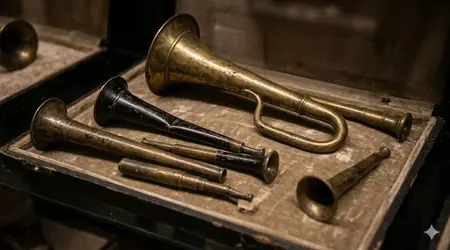
- El legado de la trompetilla auditiva: La transición de conos simples a cámaras acústicas complejas y multicapa diseñadas para una máxima captación del sonido.
¿Cuáles fueron los audífonos mecánicos más inusuales del siglo XIX?
Explorador Inventos olvidados diseñados para personas sordas Presenta el “Ventilador Acústico”, un ingenioso dispositivo que parecía un accesorio femenino común pero que funcionaba como recolector.
Anuncios
Al mantener el ventilador abierto hacia un altavoz, el material rígido capturaba las ondas sonoras y las canalizaba a través de un pequeño mango directamente al oído del usuario.
El disfraz era un tema importante porque los victorianos a menudo veían la enfermedad física con una mezcla de lástima y torpeza social, lo que obligaba a los usuarios a ocultar sus necesidades.
Estas herramientas ocultas representan un puente entre la necesidad social y la creatividad técnica, demostrando que incluso hace un siglo, el diseño tenía tanto que ver con el estilo como con la función.
¿Cómo utilizaba el Dentaphone la conducción ósea?
El Dentaphone consistía en un diafragma delgado y vibrante que se colocaba contra los dientes y que transmitía las vibraciones sonoras directamente al cráneo y a los huesos del oído interno.
Esto permitía a las personas con pérdida auditiva conductiva "escuchar" música o voces a través de la mandíbula, un principio que todavía se utiliza en los modernos auriculares de conducción ósea.
Inventores como Richard Rhodes popularizaron estos dispositivos, comercializándolos como avances revolucionarios para aquellos que consideraban que las trompetillas auditivas tradicionales eran demasiado voluminosas o vergonzosas.
Sigue siendo un ejemplo sorprendente de cómo la ciencia victoriana comprendía la capacidad del cuerpo físico para redirigir la información sensorial a través de vías no convencionales, como el sistema esquelético.
++ Los discos de audiolibros de la década de 1930
¿Por qué se instalaban sillas acústicas en los salones victorianos?
Las grandes "sillas acústicas" forradas de terciopelo presentaban brazos y respaldos huecos que actuaban como resonadores gigantes para captar los susurros de las personas sentadas cerca en la sala.
Estas sillas permitieron a los anfitriones sordos participar en reuniones sociales sin necesidad de sostener un dispositivo, integrando la tecnología directamente en el mobiliario del hogar.
Estos inventos eran increíblemente caros, reservados únicamente para la élite adinerada que podía permitirse la fabricación a medida para satisfacer sus necesidades sensoriales en espacios privados.
Si bien hoy parecen estáticas y limitadas, proporcionaban una sensación de dignidad y normalidad a personas que, de otro modo, habrían quedado excluidas de la conversación.
¿Cómo abordaba la tecnología victoriana la seguridad y las alertas para las personas sordas?
Los registros históricos muestran que Inventos olvidados diseñados para personas sordas Se extendió más allá de las comunicaciones, abarcando el ámbito de la seguridad en el hogar y las alertas prácticas para la vida diaria.
Los despertadores mecánicos o alarmas vibratorias junto a la cama utilizaban sistemas con contrapesos para sacudir físicamente la cama o tirar de una cuerda a una hora preestablecida.
Estos inventos fueron cruciales en una época en la que las personas sordas a menudo quedaban expuestas a incendios o se perdían el toque de la campana que las llamaba a trabajar por la mañana.
Ilustran una necesidad arraigada de independencia que precede a los sistemas de alertas digitales y luces intermitentes que damos por sentados en los hogares modernos de 2026.
Lea también: El cañón de vapor: por qué fue abandonado por los militares
¿Qué era el sistema de timbre vibratorio?
Algunas casas victorianas contaban con un sistema de poleas y cables conectados a un peso que caía al suelo cuando alguien tiraba de la manilla de la puerta.
Este golpe sordo repentino creó una vibración que el ocupante sordo pudo sentir a través de las tablas del suelo, anunciando así la llegada de un visitante sin necesidad de sonido.
Esta solución táctil era elegante por su sencillez, ya que se basaba en las propiedades físicas del edificio en lugar de en maquinaria compleja para comunicar información vital.
Nos recuerda que la accesibilidad a menudo implica repensar el entorno en lugar de simplemente corregir el déficit biológico percibido por el individuo de forma aislada.
Leer más: El gran plan olvidado para las autopistas ciclistas
¿Cómo se utilizaban las lámparas como señales visuales?
Antes de la generalización del uso de la electricidad, algunas lámparas de aceite especializadas contaban con obturadores que podían activarse mediante un temporizador mecánico o un sistema de cordón de accionamiento remoto.
Estas "alarmas visuales" parpadeaban o cambiaban de color para indicar diferentes acontecimientos en la casa, como que se sirviera el té o que un invitado llegara a la puerta principal.
Los primeros experimentos con luces intermitentes alimentadas por gas sentaron las bases de los sistemas de alerta visual que la comunidad sorda utiliza actualmente para los detectores de humo.
Si bien la fuente de energía ha cambiado, la lógica fundamental de traducir un evento auditivo en una señal visual sigue siendo una piedra angular del diseño inclusivo y la seguridad.
¿Por qué desaparecieron finalmente estas ingeniosas ideas victorianas?
El declive de Inventos olvidados diseñados para personas sordas Esto se debió principalmente a la rápida miniaturización de la electrónica tras la invención de la válvula de vacío.
Una vez que los audífonos pudieron funcionar con baterías y llevarse discretamente en el cuerpo, se acabó la era de los enormes muebles acústicos y los ventiladores mecánicos.
El darwinismo tecnológico garantizó la supervivencia de los dispositivos más portátiles y eficientes, mientras que las curiosidades mecánicas y creativas de la década de 1880 quedaron relegadas a museos y libros de historia.
Sin embargo, ahora estamos viendo un resurgimiento del interés en estos principios hápticos y de conducción ósea a medida que buscamos formas más naturales de interactuar.
¿Cómo influyó el estigma social en la invención?
Los inventores victorianos a menudo priorizaban la "invisibilidad" sobre la "eficiencia", lo que dio lugar a muchos dispositivos que eran elegantes pero técnicamente inferiores a una gran trompetilla de oído abierta.
Este énfasis en ocultar la discapacidad a menudo obstaculizó el desarrollo de una amplificación verdaderamente potente hasta que el modelo médico de la sordera comenzó a cambiar en la década de 1900.
Cuando la sociedad comenzó a aceptar los audífonos como una necesidad médica en lugar de un secreto vergonzoso, los diseñadores finalmente pudieron priorizar el rendimiento y la comodidad del usuario.
Este cambio cultural fue tan importante como la invención del transistor para hacer que la tecnología auditiva fuera accesible y eficaz para el público en general.
¿Qué pueden aprender los diseñadores de 2026 del pasado?
Los diseñadores modernos están recurriendo a la tecnología háptica victoriana para crear dispositivos portátiles más intuitivos que no dependan únicamente de pantallas visuales o alertas auditivas estridentes.
El ingenioso uso de la conducción ósea y la vibración en la década de 1870 ofrece un modelo para una tecnología no invasiva que funciona con los sentidos naturales del cuerpo humano.
Al estudiar estos Inventos olvidados diseñados para personas sordasRedescubrimos que la innovación no siempre se trata de nuevos materiales, sino de una mejor comprensión de la percepción humana.
El pasado nos recuerda que el verdadero progreso reside en crear un mundo donde todos puedan participar, independientemente de cómo reciban la información.
Datos históricos sobre tecnología para personas sordas en la época victoriana
| Nombre de la invención | Mecanismo primario | Año de patente | Grado de discreción | Equivalente moderno |
| Dentaphone | Conducción ósea (dientes) | 1879 | Moderado | Auriculares de conducción ósea |
| Ventilador acústico | Reflexión de las ondas sonoras | 1880 | Alto | Filtrado digital de ruido |
| Trompeta de oído | Amplificación pasiva | Siglos XVIII-XX | Bajo | Audífono moderno |
| Silla acústica | Resonador grande | 1850 | Ninguno | Integración con el hogar inteligente |
| Cama vibratoria | Polea mecánica | 1892 | Bajo | Relojes despertadores hápticos |
| Lámpara de destello | Señalización visual | 1895 | Moderado | Detectores de humo estroboscópicos |
| Trompeta barbuda | Coleccionista oculto | 1885 | Muy alto | Monitores intrauriculares (IEM) |
| Bastón | Transferencia de vibraciones | 1888 | Alto | Bastones hápticos |
Según un estudio realizado por el Grupo del Museo de Ciencias (2024)Más de 401 patentes victorianas de audífonos se centraban en ocultar el dispositivo dentro de artículos domésticos o de moda comunes.
Esta estadística subraya la inmensa presión social a la que se enfrentaban las personas sordas en el siglo XIX y los esfuerzos que realizaban para integrarse.
Las sillas acústicas eran como los "altavoces inteligentes" de su época: permanecían discretamente en un rincón mientras realizaban una compleja tarea de recopilación y amplificación de datos.
Eran obras de ingeniería monumentales que representaban la máxima expresión del lujo y la vanguardia de la física acústica y la carpintería del siglo XIX.
¿Podríamos encontrar hoy un punto intermedio entre la belleza mecánica en estado puro del pasado y la eficiencia fría e invisible de la tecnología auditiva digital moderna?
Esta pregunta nos anima a valorar lo táctil y lo físico en un mundo que se está volviendo cada vez más efímero e intangible para nuestros sentidos.
La historia de Inventos olvidados diseñados para personas sordas Es una prueba de que siempre hemos sido una especie que se niega a guardar silencio.
Es un legado de sonido, vibración y luz que sigue resonando en cada dispositivo moderno que llevamos en nuestros bolsillos en 2026.
Aunque estos objetos puedan haber caído en el olvido para la mayoría, su esencia perdura en los principios de diseño inclusivo que guían nuestras tecnologías de asistencia más avanzadas en la actualidad.
Tenemos una deuda con los inventores victorianos que se atrevieron a imaginar un mundo donde el sonido pudiera sentirse a través de un ventilador o escucharse a través de un diente.
¿Cómo cambiarían nuestras ciudades modernas si integráramos las alertas táctiles por vibración que usaban los victorianos en nuestros espacios públicos para que todos pudieran sentirlas? ¡Comparte tu experiencia en los comentarios!
Preguntas frecuentes
¿Realmente funcionó el Dentaphone para todos?
No, solo funcionaba para quienes padecían pérdida auditiva "conductiva", en quienes el oído interno aún estaba sano; no podía ayudar a quienes tenían daño nervioso.
¿Por qué la gente escondía sus audífonos en los ventiladores?
Las normas sociales victorianas a menudo asociaban la sordera con el deterioro intelectual, por lo que muchas personas utilizaban ayudas "discretas" para evitar ser juzgadas o excluidas de la sociedad de élite.
¿Todavía se utilizan hoy en día estos audífonos victorianos?
Si bien son técnicamente eficaces para una amplificación menor, los modernos sistemas de ayuda digitales son mucho más potentes y pueden filtrar el ruido de fondo, algo que las trompetas no pueden hacer.
¿Dónde puedo ver estos inventos hoy en día?
El Museo de la Ciencia de Londres y la Colección Wellcome albergan algunos de los ejemplos mejor conservados de tecnología acústica victoriana y audífonos ocultos.
