
Operación Northwoods: La propuesta de falsa bandera desclasificada
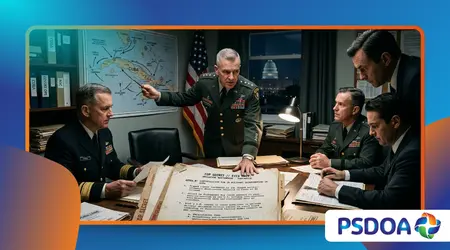
Operación Northwoods Sigue siendo uno de los ejemplos más asombrosos de planificación militar oculta jamás descubiertos dentro del Departamento de Defensa de los Estados Unidos.
Anuncios
Este documento clasificado reveló cómo altos funcionarios propusieron escenificar actos de terrorismo interno para justificar una invasión militar inmediata de Cuba.
Los archivos históricos demuestran que el Estado Mayor Conjunto aprobó estas sugerencias extremas durante el apogeo de la Guerra Fría.
Comprender este acontecimiento histórico ayuda a los ciudadanos modernos a analizar críticamente cómo las instituciones estatales a veces fabrican consensos para intervenciones extranjeras y financiación militar.
Dentro de este informe de investigación
- El origen de la estrategia de falsa bandera
- Los complots específicos contra ciudadanos estadounidenses
- Rechazo presidencial y legado institucional
- Preguntas frecuentes sobre archivos desclasificados
¿Cuál es el origen de esta propuesta secreta de inteligencia?
Las raíces de Operación Northwoods Sus orígenes se remontan a la intensa fricción geopolítica entre Washington y La Habana tras la Revolución Cubana de 1959.
Anuncios
Los planificadores militares estadounidenses sintieron una enorme presión para destituir a Fidel Castro del poder tras el humillante fracaso de la invasión de Bahía de Cochinos.
¿Hasta dónde llegarían los altos mandos militares para manipular la opinión pública cuando las opciones diplomáticas pacíficas ya no se ajustan a sus objetivos estratégicos globales?
La respuesta surgió en marzo de 1962, cuando el Estado Mayor Conjunto presentó un memorándum formal por escrito al Secretario de Defensa Robert McNamara.
Documentos desclasificados del Archivo de Seguridad Nacional confirman que el general Lyman Lemnitzer aprobó el borrador final de estas operaciones psicológicas encubiertas.
Esta validación oficial demuestra que la propuesta no fue obra de agentes deshonestos, sino un esfuerzo coordinado de los altos mandos militares.
El objetivo principal se centraba en crear un pretexto que situara a Cuba en la posición de una amenaza agresiva y peligrosa para la estabilidad del hemisferio occidental.
Como consecuencia, Operación Northwoods Sirve como un crudo recordatorio histórico de cómo la desesperación institucional puede comprometer los límites éticos fundamentales durante las crisis internacionales.
¿Por qué el Pentágono centró su atención en Cuba?
El establecimiento de un régimen comunista prosoviético a tan solo noventa millas de la costa de Florida provocó pánico en la comunidad de inteligencia estadounidense.
Los estrategas temían que Cuba sirviera como base principal para el espionaje soviético y la propagación de movimientos socialistas revolucionarios por toda América Latina.
Eliminar de forma preventiva esta amenaza geopolítica se convirtió en la máxima prioridad para el Estado Mayor Conjunto, que consideraba la guerra convencional como la única solución permanente.
Este enfoque tan intenso cegó a los planificadores militares ante las graves ramificaciones éticas internas de las estrategias de guerra psicológica que proponían.
++ El caso del hombre de Taured: El misterio del pasaporte que aún desconcierta.
¿Cómo funciona una estrategia de falsa bandera?
Una operación de falsa bandera funciona ejecutando un ataque de forma encubierta, dejando intencionadamente pruebas fabricadas que implican a un adversario totalmente inocente.
La nación atacante utiliza entonces la indignación pública resultante para justificar una respuesta militar planificada de antemano que, de otro modo, carecería de apoyo político popular.
Esta metodología engañosa se basa enteramente en controlar la narrativa a través de canales de medios de comunicación dóciles antes de que los investigadores independientes puedan descubrir a los verdaderos culpables.
Para una ejecución exitosa se requiere absoluto secreto, una estricta compartimentación operativa y la supresión total de la disidencia institucional interna.
Lea también: Las comunicaciones secretas de los movimientos de resistencia durante la Segunda Guerra Mundial
¿Quién aprobó el documento dentro de la jerarquía militar?
Todos y cada uno de los miembros del Estado Mayor Conjunto firmaron oficialmente el memorándum antes de transmitirlo a sus superiores en la cadena de mando.
El general Lyman Lemnitzer, presidente del comité, impulsó activamente el proyecto porque creía que una invasión convencional de Cuba era algo que se debía haber hecho hacía mucho tiempo.
Su respaldo colectivo demuestra que los niveles más altos del aparato militar normalizaron estas prácticas engañosas como herramientas aceptables de la política estatal.
Este cumplimiento institucional uniforme pone de relieve el peligro extremo de la planificación militar sin control durante períodos de intensa paranoia internacional.
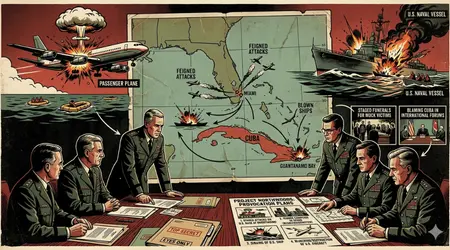
¿Qué planes terroristas concretos sugirieron los planificadores militares?
La propuesta escrita incluía planes detallados para volar barcos estadounidenses, quemar cosechas y organizar funerales violentos para víctimas ficticias.
Los planificadores sugirieron que los agentes podrían hacer estallar un dron sobre aguas cubanas fingiendo que se trataba de un vuelo civil de pasajeros.
Otro escenario escalofriante consistía en orquestar un elaborado ataque contra la base naval estadounidense de la Bahía de Guantánamo utilizando fuerzas aliadas disfrazadas de saboteadores cubanos.
Esta provocación artificial permitiría a los militares lanzar ataques de represalia inmediatos bajo el pretexto de la legítima autodefensa nacional.
Al centrarse explícitamente en las áreas metropolitanas, los autores pretendían manipular las emociones de la población civil y eliminar el sentimiento antibelicista en todo el espectro político.
Esta disposición a poner en peligro vidas inocentes revela hasta qué extremos peligrosos pueden llegar los burócratas cuando están protegidos por el secreto absoluto.
Leer más: Agricultura urbana versus jardinería urbana: ¿fue ist der Unterschied?
¿Cuál era el destino previsto para el astronauta John Glenn?
El documento describe un plan para aprovechar la ansiedad pública en torno a las históricas misiones espaciales Mercury saboteando el lanzamiento.
Los planificadores sugirieron que, si el cohete explotaba, el gobierno podría publicar datos de telemetría falsificados que demostrarían que la interferencia electrónica cubana había provocado el fallo fatal.
Este complot cínico pretendía convertir una tragedia nacional en un casus belli inmediato, uniendo a las comunidades científicas y militares contra Castro.
La inclusión de objetivos de tan alto perfil demuestra que ningún logro nacional era sagrado en comparación con el dominio geopolítico.
¿Cómo se estructuraban las falsas desapariciones de civiles en vuelos?
Los militares tenían previsto utilizar aviones duplicados pintados para que coincidieran con vuelos civiles reales, intercambiándolos en pleno vuelo mediante puntos ciegos de radar secretos.
Los pasajeros reales serían desviados secretamente a una base segura, mientras que el dron no tripulado que los replicaba sería destruido sobre territorio cubano.
Esta compleja ilusión proporcionaría una prueba irrefutable de la agresión cubana, obligando a organismos internacionales como las Naciones Unidas a condonar una invasión estadounidense.
La sofisticación técnica de este plan ilustra el carácter avanzado de las operaciones psicológicas de la Guerra Fría.
¿Por qué los planificadores querían atacar a los refugiados cubanos?
La propuesta sugería hundir barcos repletos de auténticos refugiados cubanos que huían del régimen de Castro para generar una intensa indignación internacional contra el gobierno comunista.
Curiosamente, los planificadores creían que sacrificar a estos aliados anticomunistas consolidaría el discurso moral necesario para la guerra total.
Esta estrategia demuestra un completo distanciamiento de la empatía humana, tratando las vidas humanas como meros datos desechables en un registro geopolítico.
La explotación de refugiados vulnerables pone de manifiesto la lógica fría y utilitaria que dominaba los pasillos secretos del Pentágono.
¿Por qué el presidente John F. Kennedy rechazó el plan?
El presidente John F. Kennedy detuvo abruptamente el impulso de Operación Northwoods durante una tensa reunión con el general Lemnitzer en marzo de 1962.
Tras los desastrosos fallos de inteligencia del año anterior, Kennedy mantuvo un profundo escepticismo hacia las evaluaciones militares conjuntas.
La administración temía que orquestar provocaciones tan evidentes destruyera la autoridad moral global de Estados Unidos y desencadenara una catastrófica represalia nuclear por parte de Moscú.
Kennedy se negó a autorizar cualquiera de los planes, neutralizando así la propuesta antes de que pudiera comenzar su despliegue operativo.
Poco después de este rechazo, la administración le negó al general Lemnitzer un segundo mandato como presidente, reasignándolo a estructuras de mando europeas.
Esta intervención ejecutiva decisiva protegió con éxito a los ciudadanos estadounidenses de sus propios líderes militares, demostrando la vital importancia de la supervisión civil.
El documento permaneció guardado bajo llave en bóvedas ultrasecretas durante décadas hasta que la Junta de Revisión de Registros de Asesinatos forzó su publicación a finales de la década de 1990.
Hoy, Operación Northwoods Constituye un caso de estudio insustituible para los historiadores que analizan los mecanismos ocultos de la planificación militar del Estado profundo.
¿Cómo afectó el rechazo a las relaciones cívico-militares?
El rechazo categórico del plan creó una profunda brecha ideológica entre el presidente Kennedy y el alto mando de las fuerzas armadas.
Los líderes militares consideraban que el poder ejecutivo civil era débil, indeciso y peligrosamente ingenuo con respecto a la amenaza comunista global.
Esta desconfianza mutua se arraigó en toda la administración, influyendo directamente en las decisiones ejecutivas durante la posterior Crisis de los Misiles de Cuba.
Esta tensión subraya el delicado equilibrio de poder necesario para mantener a las instituciones democráticas subordinadas a los líderes civiles electos.
¿Cuándo se desclasificó finalmente el documento para el público?
El público permaneció completamente ajeno a la conspiración hasta que la Ley de Recopilación de Registros del Asesinato de John F. Kennedy de 1992 ordenó la publicación de los archivos relacionados.
Los archivos específicos que detallaban las propuestas de falsa bandera estuvieron totalmente a disposición de investigadores y periodistas en 1997.
La revelación conmocionó a los historiadores convencionales, obligando a una reevaluación radical de las estrategias de inteligencia de la Guerra Fría y de la fiabilidad institucional.
Esta transparencia demostró que las teorías conspirativas sobre engaños patrocinados por el Estado a veces pueden tener fundamento en la realidad histórica.
¿Qué nos enseña esto sobre la supervisión de los servicios de inteligencia modernos?
La existencia de estos archivos demuestra que una supervisión civil sólida e independiente es absolutamente esencial para evitar que la inteligencia de defensa se utilice como arma.
Sin controles legislativos y ejecutivos estrictos, las agencias secretas tienden naturalmente a priorizar los objetivos operativos sobre los derechos constitucionales y la ética.
Los denunciantes y periodistas de investigación modernos siguen recurriendo a estos precedentes históricos para cuestionar las intervenciones militares y los programas de vigilancia contemporáneos.
La vigilancia constante sigue siendo la principal defensa contra la tentación recurrente del engaño patrocinado por el Estado.
Análisis de los marcos de provocación de la Guerra Fría
Los datos históricos que se resumen a continuación ponen de manifiesto las diferencias estructurales entre las estrategias militares estándar y las propuestas engañosas que se encuentran en los archivos desclasificados.
El análisis de estos parámetros revela cómo Operación Northwoods Intentaron eludir las reglas de enfrentamiento convencionales.
| Parámetro táctico | Estrategia militar convencional | Operación Marco de Northwoods (1962) |
| Objetivo principal | Oponerse a la infraestructura militar enemiga | Poblaciones civiles nacionales y activos militares amigos |
| Fuente operativa | Fuerzas armadas nacionales declaradas abiertamente | Agentes de inteligencia encubiertos disfrazados de adversarios extranjeros |
| Método de justificación | Violaciones documentadas de tratados internacionales | Terrorismo doméstico fabricado y ataques aéreos simulados |
| Objetivo estratégico | Defensa territorial o contención geopolítica | Cambio de régimen forzado mediante consenso público fabricado. |
El legado perdurable de la planificación secreta desclasificada
Descubrir los rincones oscuros de la historia militar revela que la línea entre la defensa nacional y la criminalidad institucional puede volverse peligrosamente delgada.
La aterradora realidad de Operación Northwoods Esto demuestra que altos funcionarios formalizaron en su momento planes para aterrorizar a sus propios ciudadanos con fines geopolíticos.
Mantener una ciudadanía informada y crítica es la salvaguarda más eficaz contra el resurgimiento de este tipo de operaciones psicológicas engañosas en la era moderna.
Al estudiar estas verdades desclasificadas, la sociedad puede exigir mayor transparencia y rendición de cuentas a sus líderes contemporáneos. Comparte tu experiencia y reflexiones en los comentarios para seguir descubriendo juntos la historia oculta.
Preguntas frecuentes
¿Se llegó a ejecutar realmente la Operación Northwoods?
No, el presidente John F. Kennedy rechazó explícitamente la propuesta en 1962, y ninguno de los complots terroristas llegó a ponerse en marcha contra ciudadanos.
¿Quién descubrió los documentos desclasificados?
Los documentos fueron descubiertos por la Junta de Revisión de Registros de Asesinatos en 1997 durante la publicación sistemática de archivos relacionados con el asesinato de JFK.
¿Tenían conocimiento los medios de comunicación del plan de falsa bandera durante la Guerra Fría?
Los medios de comunicación desconocían por completo el plan, ya que los documentos permanecieron clasificados bajo el máximo nivel de seguridad durante treinta y cinco años.
