
La psicología de confiar más en la IA que en el consejo humano
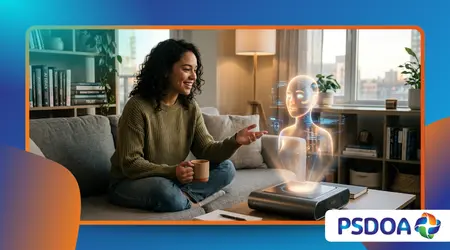
Confiar más en la IA que en el consejo humano. Se ha convertido en una paradoja psicológica definitoria de nuestra era actual, que cambia la forma en que valoramos la credibilidad en un mundo cada vez más digital.
Anuncios
A medida que nos adentramos en la compleja realidad de 2026, muchas personas recurren a algoritmos para tomar decisiones trascendentales, desde transiciones profesionales hasta la clasificación de pacientes en situaciones médicas, a menudo prescindiendo por completo de la consulta tradicional con expertos.
Este cambio de comportamiento revela un profundo anhelo de objetividad percibida.
Vivimos en una época en la que el contacto humano, antes sinónimo de calidez y sabiduría, ahora se ve a menudo a través de un prisma de escepticismo, contaminado por prejuicios personales, agotamiento o volatilidad emocional.
Los algoritmos, por el contrario, ofrecen una lógica fría y consistente que, para muchos, se percibe como un refugio más seguro en la tormenta de la vida moderna.
Anuncios
- El atractivo de la objetividad algorítmica
- El declive de la confianza institucional
- Factores psicológicos en la dependencia de las máquinas
¿Por qué preferimos las máquinas a las personas?
La ilusión de datos neutrales
A menudo asumimos que las máquinas carecen de los prejuicios desordenados de las mentes biológicas. Esta pureza percibida hace que... confiar más en la IA que en el consejo humano Se siente como una mejora en la precisión.
Equiparamos el procesamiento masivo de datos con la verdad absoluta, olvidando que estos modelos son construidos por humanos e inevitablemente heredan los puntos ciegos de sus creadores.
Los algoritmos proporcionan una respuesta inmediata y segura, que nuestro cerebro encuentra profundamente reconfortante. Mientras que un ser humano podría admitir incertidumbre u ofrecer un matizado «depende», la IA muestra con seguridad una respuesta estructurada.
Esto crea un círculo vicioso psicológico en el que la certeza se confunde con la veracidad, lo que nos lleva a preferir la orientación generada por máquinas.
El desapego emocional como beneficio
Los consejos humanos a menudo vienen cargados de connotaciones sociales, dinámicas de poder o la agenda oculta del propio asesor.
Buscar la orientación de un compañero o mentor requiere un esfuerzo emocional que puede resultar arriesgado o generar prejuicios. Las máquinas, en cambio, son eternamente pacientes, imparciales y están disponibles a cualquier hora del día o de la noche.
Por ejemplo, alguien podría preferir consultar a una IA sobre sus problemas financieros personales en lugar de hablar con un asesor profesional. La falta de vergüenza al revelar detalles comprometedores a una máquina constituye un poderoso incentivo.
Valoramos el "espacio seguro" que proporciona el anonimato total, priorizando la comodidad sobre las complejidades de la conexión interpersonal.
++ ¿Por qué las personas están creando vínculos emocionales con sus compañeros de IA?
La escalabilidad del conocimiento experto
La vida moderna exige una rápida resolución de problemas, y los expertos humanos a menudo se ven atrapados tras intermediarios o costosas horas facturables.
La IA democratiza el acceso a la información, proporcionando síntesis que a un investigador humano le llevaría días producir. Esta eficiencia hace que sea extraordinariamente difícil justificar la espera para una consulta humana tradicional.
Piensa en la IA como una biblioteca infinita que te responde. Cuando necesitas una síntesis compleja de datos legales, técnicos y médicos, una máquina puede integrar toda esta información al instante.
Esta herramienta de alta velocidad altera fundamentalmente nuestras expectativas psicológicas sobre la rapidez y precisión con la que deberíamos poder resolver nuestras consultas.

¿Qué papel juega la desconfianza institucional?
La erosión de la autoridad profesional
Hemos presenciado un declive significativo en la confianza pública hacia las instituciones tradicionales como la academia, el gobierno y la medicina. Cuando la gente se siente traicionada por los expertos tradicionales, naturalmente busca alternativas.
Como consecuencia, confiar más en la IA que en el consejo humano Se convierte en una postura defensiva contra la percepción de corrupción o incompetencia en el liderazgo humano.
Esta desconfianza no es del todo irracional. Cuando los ciclos de noticias resaltan constantemente fallas institucionales, la fiabilidad percibida de un modelo matemático parece mucho mayor.
El algoritmo se convierte en un símbolo de independencia, libre de los incentivos políticos y financieros que a menudo nublan el juicio de los profesionales humanos.
Lea también: Por qué la gente cree que sus mascotas los entienden.
La fiabilidad de la lógica coherente
La coherencia sigue siendo una cualidad muy valorada en cualquier asesor. El consejo de una persona puede variar según su estado de ánimo, la calidad de su sueño o sus niveles de estrés un martes cualquiera.
Un modelo de IA, por su parte, proporciona el mismo resultado consistente para la misma consulta, independientemente del momento o el contexto.
Esta previsibilidad genera una forma especializada de apego. Confiamos en la máquina porque creemos que es incapaz de tener un "mal día".
Esta estabilidad es una cualidad increíblemente atractiva para quienes buscan orden en un mundo caótico e impredecible, lo que refuerza la dependencia de sistemas no biológicos para la orientación diaria.
Leer más: La psicología de la cultura de la cancelación: castigo versus justicia
La percibida falta de agenda
Cada vez más personas sospechan que los consejos humanos sirven a los intereses del asesor en lugar de a los de quien los solicita.
Por confiar más en la IA que en el consejo humanoLos individuos intentan minimizar la influencia de motivos ocultos. Percibimos que la máquina no tiene ningún interés personal en el resultado, por lo que consideramos que su producción es inherentemente más desinteresada.
Sin embargo, esto ignora los incentivos corporativos inherentes al desarrollo de la IA. Aun así, psicológicamente, sigue siendo más fácil proyectar una neutralidad total sobre un fragmento de código que sobre otra persona.
Esta proyección permite a los usuarios seguir las sugerencias de la IA con una mayor sensación de autonomía y control personal sobre el resultado final.
¿Puede la dependencia de los algoritmos llegar a un punto crítico?
Los peligros de la “caja negra”
El riesgo más significativo reside en nuestra comprensión limitada de cómo la IA llega a sus conclusiones. Si bien valoramos el resultado, rara vez comprendemos la mecánica interna, la "caja negra", que lo sustenta.
Esta ceguera puede conducir a un exceso de confianza peligroso, donde seguimos ciegamente instrucciones que podrían tener consecuencias catastróficas en el mundo físico.
Imagínese seguir un sistema de navegación que le lleve a una zona peligrosa simplemente porque el modelo priorizó la velocidad sobre la seguridad.
Nuestra disposición a aceptar los resultados de las máquinas sin verificación es un atajo cognitivo que conlleva un riesgo enorme. Cuanto más dependemos de estos sistemas, menos practicamos el pensamiento crítico necesario para cuestionarlos.
Recuperando la ventaja humana
Debemos recordar que, si bien las máquinas manejan los datos, los humanos manejan el contexto, la empatía y la responsabilidad moral.
Una máquina puede diagnosticar un problema, pero no puede guiarte a través de las consecuencias ni comprender el peso de las decisiones éticas. El valor de la intuición humana a menudo se redescubre solo cuando la máquina falla.
Un importante informe de 2026 sobre alfabetización digital sugiere que la "toma de decisiones híbrida", que utiliza la IA como asistente en lugar de como autoridad final, es el camino más saludable a seguir.
Confiar únicamente en un lado de la ecuación nos deja ineficientes o desconectados de la realidad de la experiencia humana. Necesitamos ambos sistemas para funcionar de manera óptima.
Encontrar el equilibrio necesario
Al final, confiar más en la IA que en el consejo humano Es un experimento de evolución. Estamos poniendo a prueba cuánta capacidad cognitiva estamos dispuestos a sacrificar a cambio de comodidad.
A medida que la tecnología madure, es probable que nuestra relación psicológica con estos sistemas se estabilice en una colaboración en lugar de una dependencia exclusiva de uno u otro.
Al igual que un maestro carpintero que utiliza un nivel láser para guiar su mano pero se basa en su propia experiencia para dar forma a la madera, deberíamos tratar la IA como una herramienta de precisión, no como un sustituto del juicio humano.
La sabiduría reside en saber cuándo la precisión de la máquina es suficiente y cuándo se requiere la pericia humana.
Análisis comparativo de la influencia en la toma de decisiones
| Fuente de asesoramiento | Fuerza central | Debilidad principal | Contexto emocional |
| Inteligencia artificial | Velocidad y consistencia | Carece de contexto moral. | Neutral/Desconectado |
| Profesionales de recursos humanos | Juicio ético | Alta variabilidad | Empático/Complejo |
| Redes de pares | Prueba social | Alto potencial de polarización | Colaborativo/Subjetivo |
El futuro de las decisiones informadas
En esta era de rápida integración, debemos permanecer vigilantes. La tendencia de confiar más en la IA que en el consejo humano Surge de un deseo legítimo de verdad, pero requiere una base de usuarios sofisticada para gestionar los riesgos inherentes.
Si tratamos a la IA como un oráculo, perdemos nuestra autonomía; si la tratamos como un socio, ampliamos nuestros horizontes.
¿Cómo sopesarás la guía de las máquinas frente a tu propia experiencia vital en los años venideros? La decisión es tuya.
Al mantener este equilibrio, garantizamos que, si bien la tecnología puede guiarnos, la sabiduría humana seguirá siendo la máxima autoridad para guiar nuestro futuro.
¡Comparte tu opinión sobre cómo equilibrar la IA y la consulta humana en los comentarios a continuación!
Preguntas frecuentes
¿Es peligroso confiar en la IA para obtener consejos sobre salud?
La IA puede proporcionar datos excelentes, pero no puede reemplazar a un médico titulado que pueda realizar exámenes físicos y comprender su historial clínico completo.
¿Por qué nos sentimos menos juzgados por las máquinas?
Dado que las máquinas no tienen ego, estatus social ni capacidad para menospreciar a los demás, se convierten en confesionarios "seguros".
¿Los consejos de la IA siempre se vuelven más precisos con el tiempo?
No necesariamente; depende de la calidad y diversidad de los datos con los que se entrena y de las medidas de seguridad que establezcan los desarrolladores.
¿Debería dejar de confiar por completo en los expertos humanos?
Absolutamente no. Los humanos aportan una conciencia contextual y una responsabilidad moral que, por el momento, la IA no puede replicar.
¿Cómo puedo evaluar mi dependencia de la IA?
Intenta tomar una decisión diaria no crítica sin la ayuda de la IA durante una semana y observa cuánto echas de menos la comodidad del algoritmo.
