
SoundCloud Rap: A Movement Born in Bedrooms
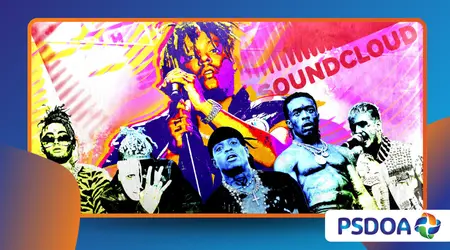
SoundCloud Rap emerged as a defiant rejection of polished studio standards, decentralizing the music industry and giving a raw voice to a global generation.
Anúncios
This subculture transformed the traditional gatekeeping model, allowing artists to bypass major labels and connect directly with fans through distorted, emotionally vulnerable tracks.
Today in 2026, the ripple effects of this bedroom-born revolution remain visible in how mainstream pop and hip-hop prioritize mood over technical perfection.
The movement proved that an internet connection and a cheap microphone could outweigh a million-dollar marketing budget in the digital age.
What defines the unique aesthetic of SoundCloud Rap?
The sonic signature of SoundCloud Rap relies on heavily distorted bass, lo-fi production values, and unfiltered lyrical content often centered on mental health.
Anúncios
These artists abandoned complex metaphors for visceral, repetitive hooks that resonated with the short attention spans of the social media era.
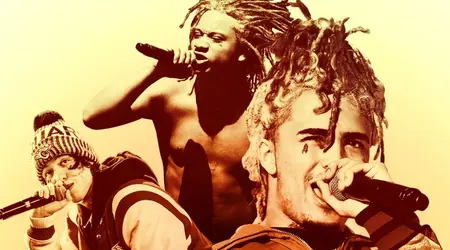
Visually, the subculture embraced a DIY punk ethos characterized by colorful dreadlocks, face tattoos, and vibrant, glitchy cover art created on smartphones.
This distinct “internet-core” branding allowed listeners to feel part of an exclusive, rebellious community that existed entirely outside of mainstream television.
Why is the “Lo-Fi” sound so important?
The intentional lack of professional mixing became a badge of authenticity, signaling that the artist prioritized raw emotion over commercial radio appeal.
This gritty texture mimics the feeling of a late-night conversation recorded in a basement, creating an intimate bond between the creator and the listener.
Lo-fi production democratized music creation, proving that high-fidelity equipment often masks a lack of soul or genuine message in contemporary art.
For many fans, the imperfections of SoundCloud Rap represent the beautiful messiness of real human experience in an increasingly artificial world.
++ The Neo-Dadaists of the Meme Generation
How did social media accelerate its growth?
Platforms like Instagram and TikTok acted as catalysts, turning 15-second snippets of unreleased songs into viral anthems before the full track ever dropped.
This “hype-cycle” forced the industry to react to organic demand rather than trying to manufacture trends from the top down.
The interactive nature of the platform allowed artists to respond to comments and release music in real-time, making fans feel like active participants.
In this ecosystem, SoundCloud Rap flourished because it was built on constant engagement and a rapid-fire release schedule that kept audiences hooked.
Why did SoundCloud Rap disrupt the music industry?
Major labels found themselves chasing the numbers generated by independent teenagers who were outperforming established stars without any corporate backing or radio play.
This shift forced a massive restructuring of A&R departments, which now prioritize data-driven scouting over traditional talent evaluation in modern music.
The movement successfully broke the monopoly on distribution, allowing a kid in rural Florida to reach a fan in Tokyo instantly.
SoundCloud Rap remains the ultimate example of how decentralized technology can topple historical power structures and give the marginalized a global stage.
According to a 2025 study by the Music Industry Research Association (MIRA), independent artists on streaming platforms saw a 30% increase in revenue.
This data underscores the lasting financial shift toward independent creators who started their journeys on free-to-use platforms during the last decade.
Can we truly measure the value of an artistic movement by its profit margins, or should we look at its cultural impact?
The legacy of these artists is measured in the millions of lives touched by their unapologetic honesty and creative bravery.
Also read: Digital Nomads as a Lifestyle Microculture
What are the advantages of independent distribution?
Artists retain full creative control over their discography, ensuring that their vision remains untainted by the demands of commercial viability or radio censorship.
This independence allows SoundCloud Rap creators to experiment with niche sounds and controversial topics that major labels would typically find too risky.
Ownership of master recordings provides long-term financial stability, as creators don’t have to share their earnings with a long list of corporate executives.
This financial freedom encourages a more diverse range of voices to enter the market and stay true to their original artistic intent.
Read more: The Visual Language of Alt TikTok Subcultures
How did the movement influence mainstream fashion?
The high-low mix of luxury brands and thrift-store aesthetics defined a new era of street style that eventually dominated the runways of Paris.
Traditional fashion houses began collaborating with SoundCloud Rap icons to capture the elusive “cool factor” of a demographic that values individuality.
Streetwear became the global uniform, blurring the lines between subcultural rebellion and high-end consumerism in a way never seen before in history.
This crossover proves that true influence starts in the bedrooms of the youth and eventually moves toward the boardroom of the elite.
How does the legacy of the movement persist in 2026?
Modern “hyper-pop” and the current wave of emotional trap owe their existence to the groundwork laid by early pioneers of the scene.
The SoundCloud Rap ethos of radical transparency regarding mental health has become a standard requirement for connecting with Gen Z and Gen Alpha.
Even though the platform itself has evolved, the spirit of decentralized, unpolished, and high-energy creation continues to inspire new micro-genres every day.
We are living in a world where the bedroom studio is more powerful than the multi-million-dollar recording facility of the past.
Example: An artist like X-0-LIT recently climbed the charts using only a mobile app and a viral challenge to promote his latest EP.
Another example is the group Glitch-Mob, who crowdsourced their entire album’s production through live-streamed feedback sessions with their dedicated fans.
Following the history of SoundCloud Rap reveals a pattern of youthful energy constantly redefining what is possible in the realm of modern art.
It serves as a reminder that the next world-changing sound is likely being recorded right now in a small, messy bedroom.
Why is mental health awareness its greatest legacy?
The movement destigmatized discussions about depression and anxiety within the hip-hop community, a genre previously dominated by hyper-masculine tropes and emotional stoicism.
By sharing their struggles, SoundCloud Rap artists saved lives and built a supportive community for millions of listeners facing similar internal battles.
This vulnerability created a “safe space” on the internet where fans could express their pain without fear of judgment or social rejection.
This shift toward emotional intelligence in music has fundamentally changed how we consume art and how we perceive the artists themselves.
What is the role of digital archives in subcultures?
Digital footprints allow new fans to trace the evolution of a sound from its earliest, most primitive demos to its final commercial form.
Accessing the roots of SoundCloud Rap through old playlists and forum posts provides a historical context that was often lost in previous generations.
These archives serve as an educational resource for aspiring creators who want to understand the “how” and “why” behind the culture’s greatest hits.
Preserving this digital history ensures that the rebellious spirit of the bedroom revolution will never be forgotten by future music lovers.
Evolution of SoundCloud Rap Influence (2016-2026)
| Era | Primary Focus | Distribution Method | Cultural Impact |
| 2016-2018 | Raw Distortion | SoundCloud / YouTube | Rise of Emo-Rap |
| 2019-2021 | Viral Snippets | TikTok / Instagram | Label Bidding Wars |
| 2022-2024 | High-Low Fashion | Streaming / Collabs | Mainstream Dominance |
| 2025-2026 | Hyper-Reality | VR / Independent | Decentralized Industry |
In conclusion, SoundCloud Rap was never just about the music; it was a socio-economic shift that handed the keys of the industry back to the creators.
By embracing imperfection and prioritizing emotional connection, these bedroom artists built a subculture that redefined global pop culture for a whole decade.
As we look forward in 2026, the lessons of this movement remind us that authenticity is the most valuable currency in the digital world.
The revolution was not televised; it was uploaded, shared, and celebrated by a community that refused to be silenced by the old guard.
Do you remember the first time a distorted beat on a free platform changed how you viewed music forever? Share your experience in the comments!
Frequently Asked Questions
Is SoundCloud Rap still a relevant term in 2026?
While the term has evolved, it is still used to describe the DIY, lo-fi aesthetic and the independent spirit that started on the platform.
How did artists make money without labels?
Direct-to-consumer sales, merch drops, and independent streaming royalties allowed these creators to earn significant income while retaining 100% of their rights.
Why was the bass always so distorted?
The distortion was a stylistic choice meant to mimic the “blown-out” speakers of a car, emphasizing energy and raw power over clean sound.
Are there still “gatekeepers” in the music industry?
The gatekeepers have shifted from label executives to social media algorithms, though independent artists have more tools than ever to bypass them.
What is the best way to find new underground rap?
Look for “related tracks” on independent platforms and follow niche curators on social media who specialize in unearthing unpolished, raw talent globally.
