
The Mechanical Voting Machines That Were More Secure Than Digital Ones
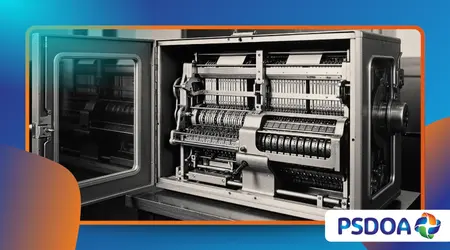
Mechanical Voting Machines represented a pinnacle of engineering that secured the democratic process long before the first lines of computer code were ever written.
Anúncios
These massive, lever-action behemoths once stood in thousands of American precincts, offering a tactile and transparent way to record a nation’s collective voice.
Modern cybersecurity experts often look back at these devices with a sense of nostalgic respect because they lacked a digital attack surface.
While we rush toward internet-connected systems, the physical gears of the past provided a level of tamper-resistance that remains difficult to replicate today.
Key Insights of this Analysis
- The mechanical architecture that prevented “over-voting” through physical interlocking gears.
- A comparison of trust factors between transparent clockwork and opaque digital software.
- Historical context on why these machines were retired despite their robust security.
- Real-world implications for current electoral integrity and the return to paper.
How do these lever systems prevent fraud?
The core security of Mechanical Voting Machines relies on the simple laws of physics rather than the complex permissions of a database.
Anúncios
When a voter pulls a lever, a physical interlock prevents them from selecting a second candidate in the same race.
This hardware-level restriction is impossible to bypass without physically breaking the machine’s casing.
Unlike a software glitch that might allow multiple votes, these gears simply stop moving once a selection occupies the mechanical slot.
Why is physical interlocking safer?
A gear cannot be hacked by a remote operative living thousands of miles away. To alter a mechanical count, an intruder needs a screwdriver and hours of quiet, unsupervised access.
Manual tampering leaves visible scars on the metal. In contrast, digital intrusions can vanish without a trace, leaving election officials guessing if the final tallies remain accurate.
++ Reusable Rockets From the 1960s That Never Launched
How is the count protected?
Each machine contains a series of internal counters, much like the odometer in a classic car. These counters increment only when the voter pulls the large red handle to open the curtain.
This action seals the vote permanently into the tally. Because the totals are stored on physical wheels, they cannot be deleted by a power surge or a malicious virus.

Why did we transition to digital voting?
Despite the security of Mechanical Voting Machines, they fell out of favor because of their immense weight and high maintenance costs.
Most units weighed over 700 pounds, making transportation to schools and community centers a logistical nightmare for local governments.
By the early 2000s, the push for modernization made these clockwork giants look like relics. Officials prioritized the speed of digital reporting over the slow, methodical process of reading mechanical counters.
Also read: The Great Forgotten Plan for Bicycle Highways
What are the maintenance challenges?
Finding technicians who understand 19th-century gear ratios became nearly impossible. As the parts wore down, the cost of custom-machining replacement gears exceeded the budget of many small counties.
The transition to touchscreens promised an easier experience for voters with disabilities. Unfortunately, this convenience often came at the cost of the “hard” security that physical levers provided for decades.
Read more: Auto-Learning Machines Before the Age of Computers
How does cost affect security?
Governments often choose the cheapest bidding software rather than the most secure hardware. This fiscal reality led to the adoption of systems that are easier to deploy but harder to audit.
We traded the permanence of metal for the flexibility of pixels. While the new systems are lighter, they require constant patches and expensive cybersecurity teams to stay ahead of evolving threats.
How does the audit trail compare?
A significant advantage of Mechanical Voting Machines was the public nature of the final tally.
When the polls closed, officials opened the back of the machine to read the numbers in front of witnesses.
This transparency allowed for immediate verification without a “black box” computer program. Everyone in the room could see the physical state of the counters, making “invisible” fraud a physical impossibility.
Why is the “Black Box” a risk?
Digital systems rely on proprietary code that the public is not allowed to see or verify. We must trust the manufacturer’s word that the math inside the chip is correct.
Mechanical systems are “open source” by their very nature. Anyone with a basic understanding of physics can see how the lever moves the gear, ensuring the vote is counted.
What can we learn from history?
Recent data from the Verified Voting Foundation suggests a massive return to paper-based systems to regain this lost trust. Even without levers, the goal remains the same: a physical record that a computer cannot change.
This shift proves that we are starting to value the “unhackable” nature of physical objects again. If a machine is not connected to the grid, the barrier for entry for any fraudster remains incredibly high.
Security Comparison Table
| Feature | Mechanical Systems | Digital Systems |
| Attack Surface | Physical only | Remote and Physical |
| Audit Method | Visual Counter Read | Software Log Analysis |
| Tamper Evidence | Scratches, broken seals | Often undetectable |
| Voting Limit | Hardware Interlocks | Software Logic |
| Longevity | 50+ Years | 5-10 Years |
Mechanical Voting Machines were like a bank vault made of iron; you could hear the tumblers clicking into place.
Digital systems, by comparison, are like a cloud-based password convenient until the server is breached.
According to a study by the Brennan Center for Justice, nearly 40 states still used at least some equipment that was over a decade old in 2020.
This highlights the struggle to keep digital hardware as durable as the old mechanical levers.
Can we truly say a voting system is “advanced” if the voters themselves cannot understand how their vote is recorded?
This question haunts the debate over election technology as we head into the high-stakes cycles of 2026.
The Future of Physical Trust
The legacy of the lever machine reminds us that transparency is the most important feature of any election.
As we navigate the complexities of AI and remote hacking, the simplicity of a physical gear seems more revolutionary than ever before.
We must ensure that the tools we use to choose our leaders are as reliable as the metal gears that served us for nearly a century.
The lessons from the past provide a blueprint for a more secure future.
By combining the speed of modern tech with the physical auditability of older ideas, we can build a democracy that is truly unhackable.
Share your experience in the comments: do you remember the sound of the voting lever, or do you prefer the modern touchscreen?
Frequently Asked Questions
Are any Mechanical Voting Machines still in use today?
Most have been retired or sold to collectors. New York was one of the last major holdouts, finally moving toward optical scanners in the last decade.
Could these machines be hacked with magnets?
It is a common myth, but the internal shields on high-quality models like those from Shoup or AVM were designed to resist magnetic interference.
Why not just use paper ballots?
Paper is the current gold standard for many, but Mechanical Voting Machines offered the benefit of instant counting without the risk of “hanging chads” or ambiguous marks.
Is software-based voting ever 100% secure?
No cybersecurity expert will claim 100% security. Software is inherently complex, and complexity is the enemy of security in any critical infrastructure.
How do we verify a mechanical machine wasn’t “pre-loaded”?
Before the first vote, inspectors would verify that all counters were set to “000” and seal the machine with a numbered lead tag.
