
Visual Kei: The Forgotten Subculture That Revolutionized Music Fashion
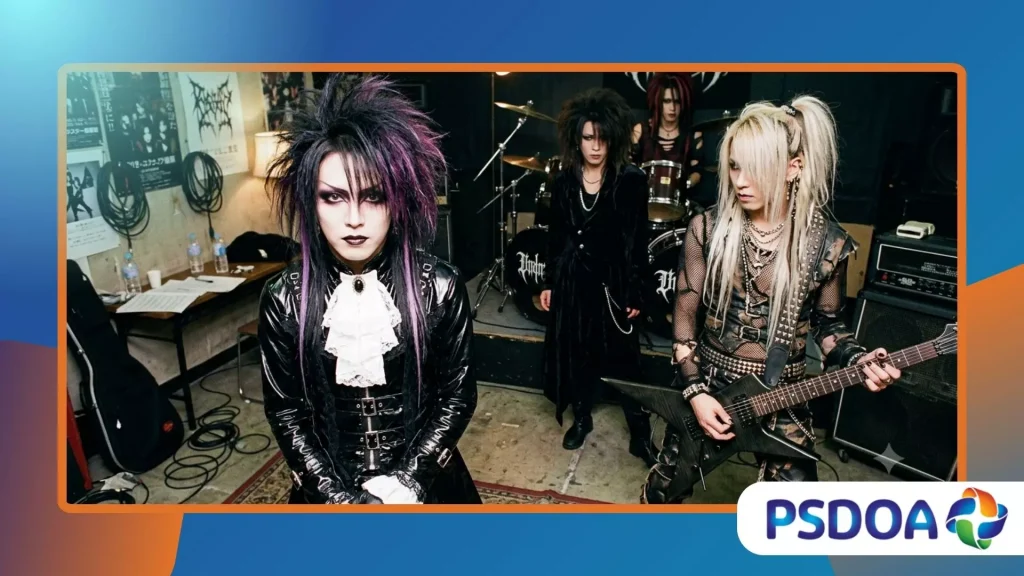
Visual Kei emerged from the underground venues of Japan to challenge every established norm of the global entertainment industry.
Anúncios
This unique cultural phenomenon blended heavy metal, glam rock, and traditional theater into a striking, boundary-pushing spectacle.
As a journalist tracking subcultures, I find its enduring impact on global aesthetics undeniable.
While mainstream historians often overlook its contribution, the movement completely redefined how artists leverage visual presentation to enhance sonic storytelling.
It proved that fashion is never just an accessory; it is a vital extension of the music itself.
A Quick Roadmap of Our Exploration
- The Foundations: Uncovering the roots and the pioneering bands that ignited the movement.
- The Aesthetic Shift: Examining how these bold styles penetrated Western runways and modern streetwear.
- The Modern Resonance: Analyzing the sonic diversity and global community keeping the flame alive in 2026.
What is the Origin of this Movement?
How did the 1980s Japanese rock scene spark it?
The conservative social climate of post-war Japan created a pressure cooker for creative youth seeking radical self-expression.
Underground clubs in Tokyo became sanctuaries for musicians who rejected corporate uniformity and traditional salaryman expectations.
They wanted to shock the public, utilizing aggressive guitar riffs and extreme styling to demand immediate attention.
This environment birthed an artistic rebellion that refused to choose between auditory intensity and visual grandeur.
Bands utilized indie record labels to bypass mainstream censorship, establishing a self-sustaining ecosystem that prioritized raw authenticity.
This defiance laid the foundation for a subculture that would soon capture the imagination of millions worldwide.
Who were the pioneer bands shaping the aesthetic?
Legends like X Japan and BUCK-TICK shattered the boundaries of what a rock band could look and sound like.
X Japan’s famous slogan, “Psychedelic Violence Crime of Visual Shock,” gave the movement its definitive name and identity.
They paired classically infused speed metal with towering, brightly colored hair and intricate leather outfits.
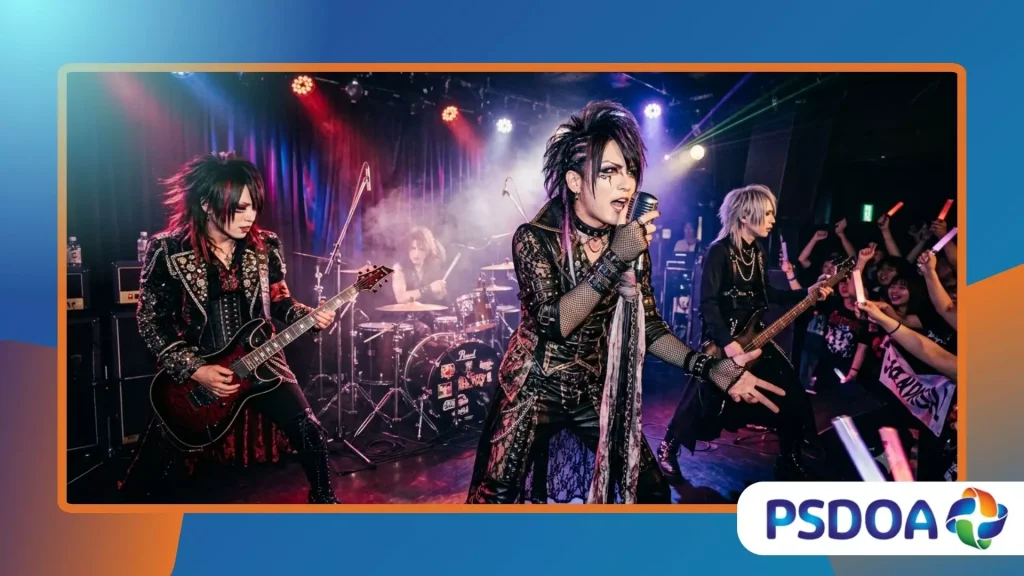
Another monumental force, Malice Mizer, later introduced elaborate Gothic and Baroque elements, transforming concerts into dark, theatrical plays.
These artists did not just play music; they constructed complex alter-egos that challenged conventional limitations. Their dedication turned local venues into sacred spaces for misfits seeking a different kind of truth.
++ Sephora Kids Trend: The New Consumer Microculture
Why did makeup become a tool of rebellion?
Cosmetics served as a literal and figurative shield against societal expectations of masculinity and compliance.
By painting their faces, these musicians intentionally blurred the lines between the masculine and the feminine, creating a striking androgynous mystique.
The makeup was not meant to hide their humanity, but rather to amplify their inner emotional turmoil and artistic passion.
Can a movement truly be forgotten if its DNA is woven into the very fabric of modern pop culture? This deliberate aesthetic provocation forced audiences to confront their own biases regarding gender roles.
It transformed cosmetics from a standard beauty routine into a powerful statement of personal sovereignty and artistic freedom.
How does Visual Kei Influence Global Fashion Today?
What elements transitioned to Western runway fashion?
High-fashion houses have repeatedly borrowed the dramatic silhouettes and dark romanticism pioneered by Japanese rock musicians.
The shredded fabrics, asymmetrical leather jackets, and historical corsetry common in the subculture regularly appear in European autumn collections.
Designers draw direct inspiration from the juxtaposition of aggressive punk hardware and delicate lace. This crossover demonstrates that the subculture’s style was never just a transient gimmick for shock value.
Instead, it represented a sophisticated design philosophy that predicted the rise of modern gender-fluid luxury wear.
By breaking down conventional tailoring boundaries, these musicians provided a blueprint for contemporary avant-garde fashion houses.
Also read: Mushroom Foraging Groups: Nature Meets Counterculture
How do modern subcultures mirror these styles?
From the dark alternative aesthetics of TikTok to modern E-boys, contemporary internet style owes a massive debt to classic Japanese rock aesthetics.
The emphasis on heavy eyeliner, dyed hair, and mixed-texture clothing has become a universal language for alternative youth. These digital movements recreate the same spirit of defiance that defined Tokyo decades ago.
The core philosophy remains identical: using one’s physical appearance to signal alienation from mainstream culture.
This stylistic inheritance shows how underground fashion travels across borders, adapting to new generations without losing its rebellious edge. What started in small Asian clubs now thrives on global digital screens.
Read more: Seapunk, Cybergoth, and Other Internet-Born Aesthetics
Why does androgyny remain central to the look?
The subculture masterfully decoupled beauty from biological gender, proving that elegance and aggression can coexist seamlessly.
Musicians wore elaborate gowns while screaming over heavy double-bass drumming, challenging the traditional hyper-masculine stereotypes of rock music.
This fluid approach to identity created an inclusive environment where fans felt safe to experiment with their own presentation.
This aesthetic choice serves as a living canvas, where gender is treated as a fluid performance rather than a rigid rulebook.
By prioritizing theatrical beauty over societal expectations, the subculture pioneered a conversation about identity that society is still navigating today. It offered liberation through velvet, lace, and heavy eyeliner.
Why is the Musical Legacy Still Relevant in 2026?
How did theatrical performances change live music?
Concerts in this subculture evolved far beyond standard musical performances, transforming into immersive, narrative-driven experiences.
Bands used intricate stage design, classical instrumentation interludes, and coordinated fan choreography to build an insular world. The audience became active participants in the performance, synchronized in movement and emotion.
This level of dedication turned live gigs into communal rituals that fostered deep loyalty.
It raised the bar for live entertainment globally, showing that music is more impactful when delivered as a complete sensory assault. The stage became a sanctuary where reality was temporarily suspended.
Where can we find the global community today?
International fans have built powerful digital archives and streaming networks to preserve the history of visual Kei across the globe.
Even without massive radio airplay, these dedicated communities organize conventions, translate interviews, and support independent artists touring abroad.
The internet has successfully democratized access to this once-insular Japanese phenomenon.
Statistically, pioneering acts like X Japan achieved monumental feats, including selling out the 55,000-seat Tokyo Dome a record 18 times, proving their massive commercial power.
Today, that legacy continues digitally, as new listeners discover vintage tracks through global streaming algorithms every day. The subculture survives because its emotional intensity transcends geographic and linguistic boundaries.
What is the sonic diversity behind the makeup?
It is a common misconception that all these bands sound identical, when in reality, the movement encompasses a vast spectrum of genres.
A listener can find everything from symphonic metal and industrial electronic beats to upbeat pop-rock and traditional Japanese folk melodies.
The only true unifying factor across the subculture is the unwavering commitment to a striking visual identity.
This sonic freedom allowed musicians to experiment without being pigeonholed into a single radio-friendly format.
It created an unpredictable musical landscape where a single album could transition from a delicate piano ballad to abrasive death metal. The makeup did not mask a lack of talent; it framed immense musical versatility.
Evolutionary Elements of the Movement
The following table contextualizes the stylistic shifts and core musical milestones that defined the subculture across different eras.
| Era | Primary Fashion Style | Key Musical Influences | Notable Aesthetic Element |
| Late 1980s – Early 1990s | Glam Punk & Leather | Heavy Metal, Speed Metal | Towering teased hair, face paint |
| Late 1990s – Early 2000s | Gothic & Elegant Gothic Lolita | Classical, Synth-Pop, Darkwave | Historical costumes, cross-dressing |
| Mid 2000s – 2010s | Neo-Visual & Streetwear | Metalcore, Alternative Rock | Bright colors mixed with punk hardware |
| 2020s – 2026 | Cyberpunk & Retro-Revival | Electronic, Nu-Metal, Djent | Digital aesthetics, minimalist makeup |
The Timeless Avant-Garde
The radical spirit of visual Kei continues to remind us that true art refuses to conform to comfortable boundaries.
It challenged the global music industry to look as deeply as it listens, proving that image and sound can merge to create something transcendent.
The subculture survived decades of shifting trends because it speaks directly to the universal human desire for distinct identity.
As we look at the modern landscape of music and fashion, the fingerprints of these Japanese pioneers are visible everywhere.
They taught generations of misfits that their outsider status could be turned into their greatest artistic weapon. The costume was never a hiding place it was the ultimate revelation of the self.
Share your experience in the comments below: Which band introduced you to this subculture, and how has their style influenced your own creative perspective?
Frequently Asked Questions
Is Visual Kei a specific genre of music?
No, it is not a musical genre but rather an artistic movement defined by visual presentation, including makeup, hairstyles, and elaborate costumes.
Bands within the subculture play diverse musical styles, ranging from pop and electronic music to heavy metal and punk.
Why do male musicians in the subculture wear women’s clothing?
The use of androgyny and cross-dressing is an artistic tradition rooted in defying conventional gender norms and creating a theatrical, otherworldly persona.
It draws historical parallels to traditional Japanese theater, like Kabuki, where male actors play female roles.
Is the subculture still active in 2026?
Yes, while it has evolved from its peak mainstream popularity, a dedicated global community and a new generation of independent bands continue to release music, tour, and innovate stylistically using digital platforms.
