
Digital Minimalism: The Subculture Rejecting Online Noise

Digital Minimalism has emerged as a powerful subculture in 2026, acting as a defensive shield against the relentless barrage of algorithmic notifications and digital fatigue.
Anúncios
This philosophy encourages individuals to intentionally prune their online tools, focusing only on digital interactions that provide significant, tangible value to their physical lives.
Adopting this mindset means reclaiming your cognitive sovereignty from the hands of Silicon Valley engineers who design apps to exploit human psychology.
It is not about living in a cave; it is about using technology as a precise tool rather than a constant distraction.
Essential Subculture Highlights
- Intentionality over Habit: How minimalists replace mindless scrolling with scheduled, purpose-driven digital sessions that respect their mental energy and focus.
- The Analog Resurgence: The return to physical journals, film cameras, and face-to-face meetings as a way to ground ourselves in reality.
- Algorithmic Resistance: Techniques used by this subculture to bypass personalized feeds, ensuring their thoughts remain independent of manipulative data loops.
- Cognitive Rest: Understanding the biological necessity of silence and boredom in fostering creativity and deep, analytical thinking in a noisy world.
How does this philosophy reshape modern focus?
Digital Minimalism advocates for a “quality over quantity” approach to every pixel we consume on our screens throughout the productive day.
By reducing the number of active apps, practitioners report a drastic increase in their ability to perform deep work and sustain long-term concentration.
This movement treats your attention as a finite, precious resource that should not be auctioned off to the highest corporate bidder.
It challenges the modern obsession with being “always on,” suggesting that true power lies in the ability to disconnect.
Why is radical pruning necessary?
Many people realize that 90% of their digital notifications are purely “noise” that adds zero value to their professional or personal growth.
Removing these triggers allows the brain to exit the state of constant “fight or flight” that digital alerts often induce.
A clean home screen reflects a clean mind, free from the clutter of unread emails and irrelevant news alerts.
We are finding that the less we consume, the more we actually understand about the world surrounding us.
++ Looksmaxxing Culture: The Rise of Extreme Self-Optimization
What are the benefits of digital decluttering?
Decluttering isn’t just about deleting apps; it is about redefining your relationship with the internet to serve your specific goals.
Minimalists often find they have hours of extra time each week once they stop chasing the invisible dragon of social validation.
They invest this reclaimed time into high-quality leisure activities, such as learning a musical instrument or mastering a complex physical craft.
This shift leads to a more fulfilling life that exists independently of likes, shares, or viral trends.
Why is the subculture growing in 2026?
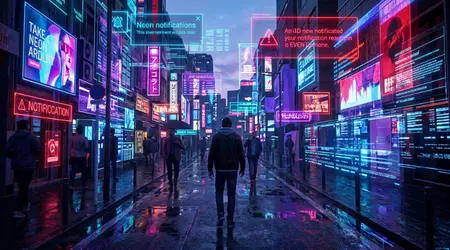
A significant reason Digital Minimalism is gaining traction now is the sheer exhaustion caused by the hyper-connected “metaverse” era we inhabit.
As virtual reality and AI become more intrusive, the human desire for unmediated, raw experience has reached a boiling point.
People are waking up to the fact that their digital “twins” are often more active than their physical selves.
This realization sparks a hunger for authenticity that can only be found by stepping away from the glowing screen.
Also read: Mushroom Foraging Groups: Nature Meets Counterculture
How do practitioners fight algorithmic noise?
Minimalists often use “dumb phones” or grayscale settings on their smartphones to make the digital experience less addictive and visually stimulating.
They purposefully break the feedback loops that keep our brains tethered to the endless scroll of social media.
They also prefer decentralized, ad-free platforms that do not use tracking cookies to manipulate user behavior for profit.
This technical resistance is a core pillar of the subculture’s commitment to total intellectual and digital privacy.
Read more: Seapunk, Cybergoth, and Other Internet-Born Aesthetics
Why is the “Slow Tech” movement relevant?
Slow tech encourages us to wait for information rather than demanding it instantly, mirroring the “slow food” movement of the past.
It suggests that a letter sent via post carries more emotional weight than a thousand instant messages sent in haste.
By slowing down our digital consumption, we allow ourselves the space to think critically before we react to a headline.
This prevents the emotional volatility that currently dominates much of the online political and social discourse.
How can you implement these changes today?
The practice of Digital Minimalism starts with a thirty-day “digital declutter” where you remove all non-essential technology from your daily life.
This period allows your brain to reset its dopamine baseline, making simple, real-world activities feel rewarding and exciting again.
After the reset, you slowly reintroduce only the tools that are strictly necessary for your work or your deepest personal values.
Every app must earn its place on your device through proven utility rather than mere convenience or habit.
What are some practical examples?
One practitioner might choose to only check social media on a desktop computer once a week to stay in touch with family.
Another might replace their GPS with a physical map to improve their sense of direction and environmental awareness.
These small choices build a wall of protection around your mental health, ensuring you remain the master of your digital tools.
Over time, these habits become a natural part of your lifestyle, requiring very little conscious effort to maintain.
How does this impact social relationships?
Minimalists often find their friendships become deeper because they prioritize long-form conversations over brief digital interactions and emojis.
They are more present during dinners and events because they aren’t constantly checking their pockets for phantom vibrations or alerts.
Is it possible that the less we “connect” online, the more we actually connect in the real world?
This question is at the heart of the minimalist revolution, driving a new era of human-centric communication.
Digital Consumption Comparison 2026
| Feature | Digital Maximalism | Digital Minimalism | Psychological Impact |
| Notification Status | Always On / Invasive | Off / Manual Check | Reduced Anxiety |
| Screen Time (Avg) | 8-10 Hours | 1-2 Hours | Improved Focus |
| Primary Device | Latest Flagship | Minimalist / Dumb Phone | Lower Tech Stress |
| Social Media | Multi-platform / Hourly | Niche / Weekly | Higher Self-Esteem |
| Information Source | Algorithmic Feeds | Curated / Books | Critical Thinking |
| Leisure Activity | VR / Streaming | Nature / Hobbies | Physical Health |
| Communication | Instant / Brief | Intentional / Deep | Stronger Bonds |
| Privacy Level | Low (High Data Leak) | High (Data Sovereign) | Enhanced Security |
Data from the 2025 Mental Health and Technology Survey indicates that 58% of participants who reduced their social media use by 70% reported significant improvements in sleep quality.
This confirms that Digital Minimalism is a medical necessity as much as it is a trendy lifestyle choice in 2026.
Adopting this lifestyle is like clearing the static from a radio to finally hear the melody of your own life.
It is the art of knowing when to say “enough” in a world that always screams “more.”
We are not losing out on the world by disconnecting; we are finally finding the world that was hidden behind the screen.
The noise is optional, but your peace of mind is essential for a healthy, balanced human existence.
As we move further into this decade, the most successful people will be those who can govern their own attention. Will you be the one controlling the machine, or will the machine continue to control you?
The choice to simplify is yours to make, and the rewards are immediate, profound, and life-changing for your future self.
Take a deep breath, put down the device, and look at the world waiting for you right now.
Have you ever felt a wave of relief after accidentally leaving your phone at home for a few hours? Share your experience in the comments!
The Power of Less
In essence, Digital Minimalism is the ultimate act of rebellion in a world that profits from your constant, unthinking engagement.
By choosing less, you are actually gaining everything that matters your time, your focus, and your authentic self.
Frequently Asked Questions
Does digital minimalism mean I have to delete all my social media?
No, it means using those platforms with strict intentionality and only if they provide a specific, irreplaceable value to your life.
Is this subculture only for older generations?
Actually, Gen Z is leading the “Luddite” trend in 2026, with many young people ditching smartphones for simpler devices to escape social pressure.
How do I start a digital declutter?
Begin by disabling all non-human notifications and committing to a 24-hour tech-free period every weekend to see how your mind responds.
Will I miss out on important news?
Minimalists prefer “slow news,” such as weekly magazines or long-form journals, which provide context rather than the anxiety of breaking news alerts.
