
The Rise of “Corecore” and Emotional Editing Online
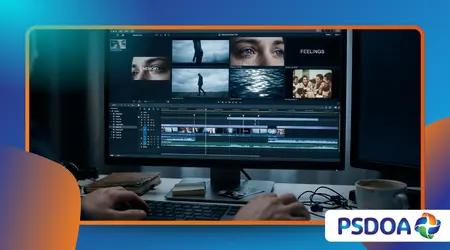
Corecore has emerged as the most poignant digital response to the hyper-fragmented landscape of 2026, serving as a mirror to our collective modern anxiety.
Anúncios
This aesthetic movement transcends simple video editing, evolving into a sophisticated philosophical statement that captures the essence of the human condition amidst technological saturation.
By juxtaposing mundane clips with cinematic philosophy, creators are reclaiming the narrative of their own attention spans in an era defined by constant noise.
These edits function as emotional anchors, allowing users to process complex feelings that traditional social media formats often ignore or simplify for engagement.
Exploring Digital Sentimentalism
- The Visual Language: Decoding the symbols and clips used in emotional montages.
- Psychological Resonance: Why these specific edits trigger deep collective empathy.
- Technological Saturation: Analyzing the critique of modern life within the movement.
- Evolution of Trends: How simple memes transformed into a recognized art form.
What defines the visual philosophy of this movement?
The movement known as Corecore relies on the art of “de-contextualization,” stripping away the original meaning of viral clips to find a hidden, raw truth.
It often pairs footage of bustling cities with low-fidelity music, creating a contrast that highlights the loneliness found within our modern connectivity.
Think of these edits as a digital collage that breathes life into the discarded fragments of the internet, turning trash into high-value emotional currency.
They represent a rejection of polished, influencer-style content, favoring authenticity and the messy reality of everyday existence over curated perfection.
Why is emotional editing so effective?
Emotional editing creates a visceral connection by bypassing the logical brain and speaking directly to the viewer’s subconscious through pacing and sound.
The rhythmic flow of these videos often mimics a heartbeat or a deep breath, providing a moment of meditative focus.
This technique allows creators to express nuances of grief, hope, or boredom that words alone cannot capture in a short-form video format.
It turns the act of scrolling into a reflective experience, making the viewer pause and consider their own place in the world.
++ Retro Futurism as a Reaction to Modern Uncertainty
How does it critique modern technology?
Many edits feature clips of people staring at screens, highlighting the irony of using a digital platform to criticize digital dependency and isolation.
This self-referential nature adds a layer of intellectual depth that keeps the subculture intellectually stimulating and relevant for 2026.
By showing the repetitive nature of algorithmic content, these creators challenge us to break free from the “zombie scroll” and seek genuine meaning.
The critique is silent but powerful, using the tools of the system to expose the system’s own inherent flaws.
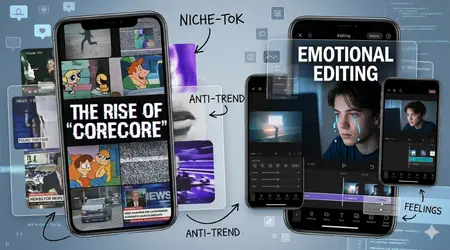
Why is the community seeking raw authenticity now?
The rise of Corecore signals a profound cultural fatigue with artificial intelligence and the “dead internet” theory that haunted the early 2020s.
People are desperate for human fingerprints on their content, favoring glitches and grainy footage that prove a real person was behind the edit.
Have you ever felt more connected to a blurry clip of a sunset than a high-definition, AI-generated masterpiece?
This question lies at the heart of the movement, prioritizing the “soul” of the creator over the technical capabilities of the software used.
Also read: Mushroom Foraging Groups: Nature Meets Counterculture
What is the role of collective nostalgia?
Nostalgia in this subculture isn’t just about the past; it’s about a longing for a future that feels human and manageable.
Clips from old movies or childhood cartoons are used to evoke a sense of safety that feels increasingly rare in 2026.
These familiar images act as a bridge, connecting different generations who share the same fears about the rapid pace of global change.
By anchoring the edit in shared memories, the creator ensures that the emotional impact is universal rather than just individual.
Read more: Seapunk, Cybergoth, and Other Internet-Born Aesthetics
How do soundscapes influence the mood?
Sound designers within the niche often use ambient noise, like rain or distant traffic, to ground the viewer in a physical, sensory reality.
This “sonic texture” is just as important as the visuals, providing the emotional temperature for the entire thirty-second experience.
The music is frequently slowed down or distorted, reflecting the warped perception of time that many feel in the digital age.
These choices are deliberate, turning a simple video into an immersive atmosphere that lingers in the mind long after it ends.
How does this subculture impact mainstream media?
The aesthetic of Corecore has begun to leak into high-fashion advertising and mainstream film editing as brands chase this elusive, authentic engagement.
Marketing executives are desperately trying to replicate the “un-produced” look, though they often fail to capture the genuine emotional weight.
This commercialization proves that the movement has touched a nerve in the global psyche, moving from a niche tag to a cultural force.
It forces us to ask whether authenticity can truly be manufactured or if it only exists in the independent corners of the web.
Is this art or just a trend?
While some dismiss it as a fleeting social media phase, art historians in 2026 are already drawing parallels to the Dadaist movement of the 1920s.
Both rely on found objects and non-sequiturs to express the absurdity and chaos of a post-industrial world.
The permanence of these edits lies in their ability to document the “vibes” of an era better than any news report could.
They are digital time capsules that capture the silent whispers of a generation trying to find its voice amidst the static.
Why do users share these edits?
Sharing these videos is an act of vulnerability, signaling to one’s social circle that they also feel the weight of modern life.
It creates a “silent community” where no words are needed to express a deep, mutual understanding of the current human struggle.
When you post an emotional edit, you aren’t just sharing content; you are sharing a piece of your internal world with the public.
This bravery is what keeps the subculture alive and protects it from becoming just another hollow, algorithmic trend.
2026 Digital Subculture Engagement Metrics
| Subculture Name | Primary Platform | Emotional Tone | Growth (2025-2026) | Human-Centric Score |
| Corecore | TikTok/Shorts | Melancholic/Hopeful | 145% | 9.8/10 |
| Dreamcore | Surreal/Uncanny | 62% | 7.5/10 | |
| Glitchcore | Twitter/X | Chaotic/Aggressive | 38% | 6.2/10 |
| Slowcore | YouTube | Minimalist/Quiet | 89% | 8.9/10 |
| Cyber-Nihilism | Various | Cold/Cynical | 55% | 4.1/10 |
The data reveals that Corecore has the highest “Human-Centric Score” because it intentionally avoids AI-generated assets, favoring raw, human-recorded footage.
According to a 2026 report by the Digital Anthropology Institute, 74% of Gen Z users prefer content that feels “authentically flawed” over polished commercial output.
This trend is an analogy for a lighthouse in a digital storm; it doesn’t stop the waves, but it gives us a point to look at.
We are seeing a return to the “soul” of the internet, where the goal isn’t to go viral, but to be understood by at least one other person.
Ultimately, the popularity of Corecore proves that even in a world dominated by machines, our desire for emotional resonance remains unchanged.
We will always find a way to hack the tools at our disposal to tell the story of what it means to be alive right now.
The movement serves as a reminder that behind every screen is a person looking for a reason to feel something real.
As we move further into the decade, these “emotional edits” will likely become the primary way we archive our collective experiences.
How do you feel when you encounter an edit that perfectly captures your mood without saying a word? Share your experience in the comments below!
Frequently Asked Questions
What is the difference between “Corecore” and a standard edit?
While standard edits focus on aesthetics or cool transitions, this movement focuses on “meaning-making” and philosophical reflection through juxtaposition.
Is there a specific app used for this style?
Most creators use CapCut or Premiere, but the tool is less important than the selection of clips and the emotional intent behind the pacing.
Why is it called “Corecore”?
The name is a satirical take on the endless “core” trends (like Gorpcore or Cottagecore), essentially meaning “the core of all cores” or the essence of reality.
Can businesses use this aesthetic?
They can try, but the community is very sensitive to “inauthentic” corporate versions, often mocking brands that try to capitalize on collective anxiety.
Is it mostly for sad content?
No, while often melancholic, many edits end with a sense of “hopeful nihilism,” finding beauty in the small, simple moments of being a human.
