
Reactancia psicológica: ¿Por qué nos resistimos a ser controlados?

Reactancia psicológica Esto explica por qué los seres humanos poseen un impulso innato y ardiente de rebelarse en el preciso momento en que alguien les ordena obedecer.
Anuncios
Este poderoso fenómeno conductual desencadena una alarma emocional cada vez que percibimos una amenaza inminente a nuestra libertad personal.
Recuerda tu infancia: ¿de repente te dieron ganas de comerte esa galleta escondida simplemente porque tus padres te lo prohibieron explícitamente?
Vemos cómo este mecanismo persistente se repite constantemente en nuestra vida adulta, dando forma a todo, desde la gestión empresarial de alto riesgo hasta las estrategias modernas de marketing digital.
Cuando una marca o un jefe nos impone una opción a la fuerza, nuestra respuesta interna inmediata es rechazarla por completo.
Anuncios
Este instinto profundamente arraigado funciona menos como un proceso de toma de decisiones lógicas y más como un mecanismo de defensa biológico que protege nuestra autonomía personal.
Información clave sobre el comportamiento
- El desencadenante principalCualquier restricción percibida a la libertad de comportamiento activa de inmediato un intenso deseo de recuperar esa opción perdida en particular.
- El motor emocionalLa ira, la hostilidad y la reestructuración cognitiva defensiva actúan como los principales impulsores psicológicos durante un episodio de desafío.
- Adaptación estratégicaLas organizaciones modernas utilizan ahora estilos de comunicación más suaves y que fomentan la autonomía para sortear estos arraigados mecanismos de defensa evolutivos humanos.
¿Qué es este mecanismo de rebelión mental?
¿Cómo definió Jack Brehm esta teoría?
El psicólogo estadounidense Jack Brehm formalizó este concepto por primera vez en 1966, tras observar cómo los consumidores sobrevaloraban sistemáticamente los artículos que de repente se veían restringidos.
Demostró que cuando una persona siente que su libertad de comportamiento se ve reducida, experimenta un estado motivacional desagradable. Esta singular tensión mental obliga al individuo a intentar activamente recuperar esa libertad amenazada.
No se trata de mera terquedad o de una actitud contraria infantil; es un sofisticado sistema de protección cognitiva.
El cerebro evalúa la pérdida de un privilegio como una amenaza directa a su capacidad de supervivencia y a su estatus dentro de la jerarquía social.
En consecuencia, la mente genera pensamientos defensivos para contrarrestar la presión externa, haciendo que la opción prohibida parezca infinitamente más atractiva.
¿Por qué anhelamos las opciones prohibidas?
¿Te has preguntado alguna vez por qué un simple cartel de "No tocar" provoca en tu mano un hormigueo y un impulso irresistible de tocar?
En el momento en que una figura de autoridad impone un límite a un objeto, tu cerebro cambia por completo su sistema de evaluación. La opción restringida deja de ser una alternativa neutral y se transforma repentinamente en un premio raro y de gran valor.
Consideremos un ejemplo práctico: una plataforma de streaming anuncia que retirará una película mediocre el próximo mes debido a cambios en los derechos de licencia.
Los usuarios que durante años ignoraron ese título de repente inundarán los servidores, viéndolo como una oportunidad preciosa y efímera.
Este repentino aumento de la demanda pone de manifiesto hasta qué punto la restricción altera nuestra percepción subjetiva del valor, independientemente de su utilidad real.
++ La psicología de confiar más en la IA que en el consejo humano
¿Cómo indica el cerebro que existe una amenaza a la libertad?
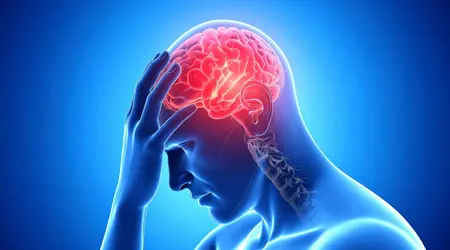
Las investigaciones neurológicas indican que la percepción de coerción activa la amígdala, el radar emocional primitivo del cerebro que procesa el miedo y la ira.
Esta respuesta inmediata de supervivencia elude la corteza prefrontal, más lenta y lógica, lo que explica por qué nuestras reacciones iniciales ante las restricciones se sienten tan intensamente viscerales.
Nos sentimos acalorados, a la defensiva y listos para pelear incluso antes de poder articular por qué estamos molestos.
Este aumento químico desencadena lo que los psicólogos denominan reestructuración cognitiva defensiva, en la que demonizamos activamente la fuente de la restricción.
Si un memorando en el lugar de trabajo exige el cumplimiento estricto de una norma menor, los empleados se centran inmediatamente en los defectos del gerente.
El cerebro crea una narrativa en la que la figura de autoridad es maliciosa, justificando por completo los inminentes actos de rebelión sutil del empleado.
¿Cómo influye este instinto en nuestras decisiones diarias?
¿Por qué fracasan sistemáticamente las campañas de marketing agresivas?
Las tácticas de venta agresivas suelen desencadenar reacciones intensas. reactancia psicológica porque tratan al consumidor como un objeto que puede ser manipulado.
Cuando un banner emergente grita "¡Compra ahora o pierde esta oportunidad para siempre!", nuestro sistema de defensa interno se activa. En lugar de hacer clic en el enlace, cerramos la pestaña con irritación, castigando a la marca por su comportamiento insistente.
Los profesionales del marketing modernos deben aprender que ofrecer una zanahoria siempre funciona mejor que blandir un palo pesado y amenazante.
Cuando una empresa utiliza un lenguaje agresivo, los consumidores sospechan inmediatamente de motivos ocultos, lo que destruye por completo la confianza necesaria para una conversión exitosa.
Para lograr una interacción auténtica, es necesario dar al cliente la ilusión de control total, permitiéndole elegir el producto en lugar de sentirse atrapado.
Lea también: ¿Por qué las personas están creando vínculos emocionales con sus compañeros de IA?
¿Qué sucede cuando los gerentes ejercen un control excesivo sobre sus equipos?
La microgestión actúa como un veneno tóxico en los entornos corporativos porque estrangula sistemáticamente el sentido de autonomía profesional del empleado.
Cuando un supervisor dicta cada pulsación de tecla, el trabajador experimenta una caída drástica en la motivación y la productividad creativa.
Para recuperar su autonomía, los empleados podrían reducir intencionadamente su ritmo de producción o convenientemente "olvidarse" de presentar los informes secundarios.
Este comportamiento contraproducente representa un intento desesperado por demostrar que el gerente no tiene control total sobre su mano de obra.
Un estudio histórico publicado por la Asociación Americana de Psicología descubrió que las altas exigencias laborales combinadas con una baja autonomía en la toma de decisiones aumentaban las tasas de agotamiento de los empleados en más del 50 por ciento.
Cuando se le quita la libertad a un profesional, no se obtiene obediencia; se obtiene renuncia silenciosa y resentimiento.
Leer más: Recoger aperitivos en compañía: cómo las pequeñas interacciones reducen la soledad
¿Cómo destruye este comportamiento las relaciones interpersonales?
Las relaciones de pareja suelen sufrir cuando uno de los miembros intenta dictar la agenda social, los hábitos o las amistades del otro.
La persona controlada no se somete sin más; experimenta un resentimiento silencioso y creciente que, con el tiempo, se manifiesta como una represalia pasivo-agresiva.
Podrían llegar tarde a los eventos o enviar mensajes de texto a propósito a sus amigos vetados, saboteando la relación para proteger su individualidad.
Piensa en la libertad humana como en un puñado de arena fina de playa; cuanto más aprietes los dedos, más rápido se te escaparán los granos.
Las relaciones sanas requieren un respeto mutuo por los límites, lo que permite que cada persona mantenga su identidad propia sin temor a ser vigilada.
La verdadera conexión florece en un ambiente de elección voluntaria, mientras que la obediencia forzada inevitablemente genera una distancia emocional a largo plazo.
¿Cómo podemos burlar nuestros reflejos defensivos?
¿Por qué la psicología inversa es tan sorprendentemente efectiva?
Los negociadores astutos y los padres suelen utilizar la psicología inversa para sortear las defensas internas de la persona objetivo, prohibiendo intencionadamente el resultado deseado.
Al decirle a un niño pequeño testarudo que no tiene absolutamente ningún permiso para recoger sus juguetes, el padre desencadena reactancia psicológica.
El niño, desesperado por demostrar su autonomía, limpiará la habitación con orgullo solo para desafiar las expectativas negativas del adulto.
Si bien esta táctica funciona de maravilla con los niños, los adultos requieren enfoques mucho más sofisticados y matizados para la modificación de la conducta. Si un gerente quiere que un equipo adopte una nueva herramienta de software, no debería hacerla obligatoria de inmediato.
En cambio, pueden conceder acceso anticipado exclusivo a unos pocos elegidos, lo que provoca que el resto de la oficina se pelee por ese privilegio.
¿Qué estrategias calman una mente agitada?
Cuando sientas esa familiar y ardiente oleada de ira que surge durante una conversación difícil, debes hacer una pausa consciente en tu respuesta conductual.
Reconoce que tu cerebro está experimentando actualmente una respuesta estándar ante una amenaza, lo que puede estar nublando tu juicio lógico a largo plazo.
Respira hondo y despacio, y evalúa si la restricción realmente te perjudica o simplemente hiere tu sensible ego.
Al separar el desencadenante emocional de tu reacción física, pasas de un estado animal reactivo a un estado humano proactivo.
Pregúntate si romper la regla realmente beneficia tu futuro o si simplemente actúas como una marioneta dominada por la ira. La verdadera libertad implica tener la capacidad de cooperar racionalmente, incluso cuando la sugerencia proviene de una figura de autoridad con errores.
¿Cómo utilizan los influencers un lenguaje que fomente la autonomía?
Los líderes más exitosos de 2026 evitan frases exigentes como "debes" o "necesitas" al guiar a sus seguidores.
En cambio, adoptan frases abiertas que fomentan la autonomía, como "podrías considerar" o "la decisión es completamente tuya".
Este sencillo cambio lingüístico elimina la amenaza de control, manteniendo baja la defensa del oyente y su mente receptiva.
Cuando le dices explícitamente a alguien que tiene la libertad de rechazar tu petición, irónicamente, es mucho más probable que coopere.
Al hacerlo, estás validando su condición de individuo independiente y autónomo, lo cual satisface su necesidad psicológica fundamental de respeto.
Al ofrecer alternativas en lugar de ultimátums absolutos, se transforma un posible campo de batalla en una colaboración altamente productiva.
Cuantificación de la resistencia humana
La siguiente matriz analítica muestra cómo los diferentes niveles de presión externa se correlacionan con las respuestas emocionales y las tasas de cumplimiento finales en diversos grupos demográficos.
| Nivel de presión | Estilo de comunicación | Respuesta conductual típica | Tasa de cumplimiento a largo plazo |
| Alta coerción | Mandatos, ultimátums, amenazas | Desafío activo, sabotaje, ira | Menos de 15% |
| Presión moderada | Persuasión intensa, manipulación emocional | Resistencia pasiva, arrastre de pies | Alrededor de 40% |
| Baja presión | Elección abierta que fomenta la autonomía | Cooperación y compromiso voluntarios | Mayor que 75% |
Abrazando la verdadera libertad de elección
Comprender la intrincada mecánica de reactancia psicológica Nos permite desenvolvernos en nuestros complejos entornos sociales con mucha mayor empatía e inteligencia.
Al reconocer que el impulso de rebelarse es un mecanismo de defensa natural, podemos gestionar nuestras relaciones sin provocar conflictos innecesarios.
La verdadera madurez implica dominar este reflejo instintivo, asegurándonos de que nuestras decisiones diarias provengan de un deseo racional en lugar de una oposición ciega e impulsiva.
Cuando creamos entornos que respetan la dignidad y la autonomía humanas, la necesidad imperiosa de resistencia defensiva desaparece de forma natural.
Ya sea que lideres un equipo corporativo, críes hijos o cuides tu propia salud mental, prioriza la libertad sobre el control estricto.
¿Cómo reacciona tu mente ante las restricciones repentinas? ¡Comparte tus experiencias personales de rebeldía automática en la sección de comentarios!
Preguntas frecuentes
¿Se considera la reactancia psicológica un rasgo de personalidad permanente?
No, se trata de un estado situacional universal que cualquiera puede experimentar, aunque algunos individuos poseen niveles basales más elevados de rebeldía.
¿Cómo afecta la edad a nuestra resistencia mental al control?
Los niños pequeños y los adolescentes muestran los niveles más altos de resistencia a medida que atraviesan etapas críticas del desarrollo en la formación de la identidad.
¿Pueden las normas positivas desencadenar este mecanismo emocional defensivo?
Sí, incluso las normas más beneficiosas, como las recomendaciones sanitarias, pueden generar resistencia si la gente considera que el mensaje es demasiado exigente.
¿Cuál es la mejor manera de implementar una norma necesaria sin provocar enfado?
Explique siempre la lógica clara que hay detrás de la restricción y valide explícitamente los sentimientos del equipo con respecto al cambio.
