
Diablos de vapor: Vórtices raros con forma de tornado
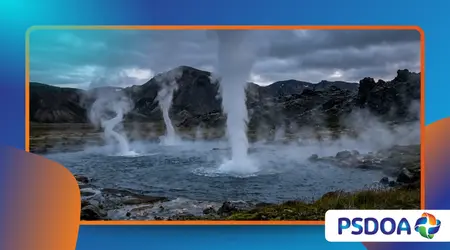
Diablos de vapor Estos fenómenos meteorológicos extremos están captando rápidamente la atención de los meteorólogos esta temporada, a medida que se intensifican en los lagos del norte.
Anuncios
Estas raras columnas giratorias de vapor se asemejan a tornados invernales, pero se forman bajo condiciones atmosféricas completamente diferentes. Cuando el aire ártico helado se desliza sobre agua relativamente cálida y sin congelar, el intenso contraste de temperatura desencadena una convección rápida y localizada.
Esta mañana, imágenes satelitales innovadoras y sensores térmicos capturaron datos asombrosos en tiempo real sobre los Grandes Lagos, mostrando estos fenómenos con un detalle sin precedentes.
A medida que el cambio climático trae consigo olas de frío impredecibles, comprender estas estructuras efímeras se vuelve vital para la seguridad costera y la navegación marítima.
Aspectos destacados de lo que descubrirás
- La ciencia fundamental: Cómo el contraste térmico extremo da origen a estas esquivas columnas de vapor giratorias.
- Datos en tiempo real: Nuevas perspectivas a partir de las observaciones y métricas estructurales recientes de los Grandes Lagos correspondientes a 2026.
- Impacto atmosférico: Por qué estos vórtices son importantes para la predicción meteorológica local y la seguridad marítima.
¿Qué son los demonios de vapor y cómo se forman?
A diablos de vapor Se forma un vórtice cuando una masa de aire excepcionalmente frío se desplaza sobre una masa de agua caliente. El agua se evapora rápidamente en el aire seco y helado, creando una densa capa de niebla justo por encima de la superficie.
Anuncios
Si un viento suave y localizado corta esta humedad ascendente, obliga a la corriente ascendente a girar.
A diferencia de los destructivos tornados terrestres, estos gigantes apacibles dependen completamente de la termodinámica inducida por el agua, en lugar de las tormentas eléctricas masivas de supercélulas.
Extraen su energía rotacional de la superficie inmediata, elevándose en delicadas columnas sinuosas que danzan sobre el agua.
Los meteorólogos los clasifican como vórtices menores, que no son supercélulas, pero su impacto visual imita la dinámica violenta de sus primos tornádicos.
¿Por qué la diferencia de temperatura es tan importante?
El motor de este fenómeno es el gradiente de temperatura vertical, que debe ser extraordinariamente pronunciado para desencadenar una rotación tan rápida.
Cuando la diferencia de temperatura entre el aire y el agua supera los 20 °C, la columna de aire se vuelve muy inestable, lo que provoca una convección inmediata y agresiva cerca de la superficie del lago.
Esta extrema inestabilidad actúa como una aspiradora invisible, succionando el aire húmedo hacia arriba a través de estrechos canales giratorios.
Sin este enorme motor térmico, el aire simplemente se empañaría de manera uniforme, creando una capa plana de niebla en lugar de embudos dinámicos y organizados.
++ Nubes nacaradas: Las raras nubes polares con colores del arcoíris.
¿Cómo dan forma los vientos a estos vórtices?
La dirección y la velocidad del viento proporcionan el ingrediente final y necesario al introducir una cizalladura horizontal en las columnas de vapor convectivas ascendentes.
Una suave brisa, desviada por la costa o por el paso de un barco, retuerce el aire ascendente formando un cilindro cerrado y giratorio.
Si el viento sopla con demasiada fuerza, destroza la frágil estructura antes de que pueda organizarse en una forma coherente. Por lo tanto, un delicado equilibrio de vientos cruzados ligeros y localizados es esencial para mantener la rotación y dar a la columna un límite definido y bien definido.
¿Qué revela la ciencia actual sobre estos fenómenos?
Los datos recientes recopilados por las estaciones de monitoreo de los Grandes Lagos ponen de manifiesto la inestabilidad que debe presentar la atmósfera para generar estos fenómenos.
Un informe meteorológico de 2026 del Laboratorio de Investigación Ambiental de los Grandes Lagos confirmó un aumento repentino de la actividad de vórtices durante la reciente helada de febrero.
“Nuestros sistemas de imágenes térmicas registraron la mayor densidad de microvórtices cuando la temperatura del agua se situaba en 4 °C, mientras que la temperatura del aire descendía hasta los -18 °C”, señala el informe.
Los siguientes datos muestran los umbrales atmosféricos específicos registrados durante el período de máxima actividad de este año:
| Métrica meteorológica | Rango de umbral ideal | Máximos observados |
| Delta de temperatura agua-aire | De 15°C a 25°C | 28°C Delta |
| Velocidad del viento en superficie | De 5 a 15 nudos | 18 nudos |
| Vida útil del vórtice | De 2 a 10 minutos | 14 minutos |
| Altura media de columna | 10 a 50 metros | 75 metros |
¿Cuáles son los ejemplos del mundo real?
Un ejemplo clásico ocurrió a principios de este mes cerca del lago Superior, donde los capitanes de los transbordadores, al amanecer, informaron haber visto docenas de pequeñas columnas girando simultáneamente. Las columnas de vapor se elevaban a más de cincuenta metros de altura, creando una inquietante y fantasmal pista de obstáculos para los buques comerciales que se aproximaban.
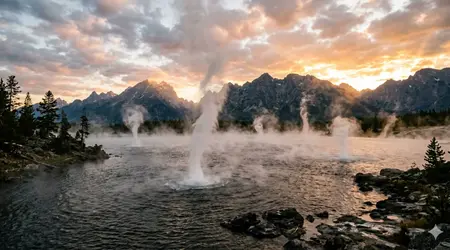
Otro acontecimiento destacable tuvo lugar en las aguas termales del Parque Nacional de Yellowstone, donde el aire gélido de la montaña impactó contra las piscinas geotérmicas.
Los visitantes presenciaron una diablos de vapor Las columnas de agua elevan las gotas a varios metros de altura, lo que demuestra que estos fenómenos pueden ocurrir en cualquier lugar donde el contraste térmico sea lo suficientemente marcado.
Lea también: Terremotos de hielo (criosismos): cuando el suelo congelado explota sin previo aviso
¿En qué se diferencian de los tornados terrestres?
Imagina un tornado terrestre como una enorme sierra atmosférica que avanza de arriba hacia abajo, impulsada por la colosal energía de una tormenta eléctrica a gran altitud.
En marcado contraste, estas columnas de vapor invernales funcionan como una batidora de cocina que funciona de abajo hacia arriba, impulsada exclusivamente por el calor del agua que se encuentra debajo de ellas.
Si bien los tornados terrestres pueden arrasar barrios enteros, estos vórtices acuáticos carecen de la estructura necesaria para sobrevivir al pasar a tierra firme.
Existen simplemente como bellos actos de equilibrio termodinámico, disolviéndose en una niebla inofensiva en el momento en que se alejan de su fuente de agua caliente.
¿Por qué deberíamos interesarnos por estos embudos Flurry?
¿Estamos ignorando una variable silenciosa en los modelos de predicción meteorológica costera? Si bien un modelo típico diablos de vapor La columna no supone ninguna amenaza para la infraestructura pesada, pero su aparición repentina indica una inestabilidad localizada extrema que puede alterar las previsiones microclimáticas.
Para embarcaciones pequeñas, muelles y aviadores costeros, los cambios repentinos de viento dentro de estas columnas pueden causar problemas de estabilidad inesperados.
Documentarlos permite a los científicos perfeccionar los algoritmos predictivos para el clima invernal, lo que contribuye a que las comunidades costeras estén más seguras durante las transiciones climáticas volátiles.
¿Cómo afectan a la aviación local?
Las aeronaves y los drones que vuelan a baja altitud se enfrentan a peligros específicos al encontrarse con estas zonas invisibles de turbulencia intensa y localizada sobre aguas abiertas en invierno.
Los rápidos cambios de densidad dentro del vapor giratorio pueden provocar caídas repentinas en la sustentación, pillando desprevenidos a los pilotos inexpertos.
A medida que las entregas comerciales con drones se expanden por las rutas costeras, comprender dónde se producen estas microrráfagas convectivas se vuelve crucial para la planificación de las rutas de vuelo.
La identificación de estas anomalías térmicas garantiza rutas autónomas más seguras durante las intensas olas de frío invernal.
Leer más: El bosque que se hunde en el lago Kaindy: árboles que crecen bajo el agua
¿Qué papel desempeñan en el intercambio de calor?
Estas columnas giratorias aceleran el proceso de enfriamiento de los lagos al extraer agresivamente el calor y la humedad del agua hacia la atmósfera superior.
Esta rápida transferencia de energía acelera la formación de hielo en la superficie, modificando el calendario invernal del ecosistema local.
Al funcionar como respiraderos térmicos de alta velocidad, alteran la temperatura inmediata del agua, influyendo en los movimientos locales de los peces y en la previsibilidad de la capa de hielo.
Los científicos hacen un seguimiento de estos eventos para comprender mejor los impactos más amplios y a largo plazo de la volatilidad climática en las grandes masas de agua dulce.
La efímera majestuosidad de la naturaleza invernal.
Comprender estos fenómenos poco comunes revela el delicado y poderoso equilibrio que rige los sistemas de intercambio de calor atmosférico de nuestro planeta.
Aunque estas fascinantes columnas de vapor parezcan intimidantes, en realidad son magníficas muestras de la termodinámica natural en acción.
A medida que los patrones climáticos se vuelven más extremos, la observación de estos eventos nos ayuda a predecir mejor los microclimas que dan forma a nuestras costas.
¿Has visto alguna vez uno de estos esquivos embudos invernales durante una ola de frío? ¡Comparte tu experiencia en los comentarios!
Preguntas frecuentes
¿Son peligrosos estos vórtices para las personas?
No, generalmente son inofensivos porque poseen velocidades de rotación del viento muy bajas y carecen de la enorme energía de los tornados terrestres.
Sin embargo, pueden provocar pequeñas turbulencias en embarcaciones pequeñas y ligeras que navegan muy cerca de la superficie del agua.
¿Pueden formarse en estanques pequeños?
Sí, pueden formarse en pequeños estanques, piscinas o aguas termales si el aire está lo suficientemente frío y el agua permanece caliente.
El tamaño físico de la masa de agua solo limita la altura máxima y la duración de la columna de vapor resultante.
