
Why People Are Forming Emotional Bonds With AI Companions
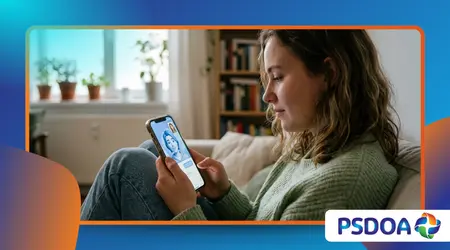
AI companions are changing how humans experience connection, transforming lines of code into deeply personal, emotionally resonant relationships across the globe.
Anúncios
This shift represents a massive psychological milestone. People no longer view algorithms as mere tools. Instead, millions now find genuine solace, daily comfort, and unexpected empathy in digital interactions.
Society stands at a fascinating crossroads where technology replicates intimacy. As software grows more adaptive, it mirrors our conversational patterns, vulnerabilities, and emotional needs with astonishing precision.
This column explores why the human brain is so easily wired to bond with artificial entities.
Highlights of the Analysis
- The Psychological Triggers: Understanding why our minds treat digital responses as genuine emotional support.
- The Isolation Factor: How modern loneliness fuels the adoption of algorithmic relationships.
- Real-World Implications: The benefits and ethical boundaries of relying on digital bonds.
Why Do Humans Bond with Digital Entities?
Our brains are fundamentally wired for connection, evolved over millennia to seek social signals wherever they can be found.
When software responds with real-time warmth, validation, and undivided attention, our ancient psychology struggles to differentiate between biological empathy and simulated care.
We are hardwired to anthropomorphize, meaning we easily attribute human feelings to non-human things.
This psychological tendency creates a perfect environment for attachment. When an individual shares a vulnerability and receives an immediate, non-judgmental response, the brain releases dopamine.
This chemical reaction reinforces the interaction, building a loop of trust and perceived intimacy that feels entirely real to the user.
As a result, AI companions become safe harbors for people hesitant to face the complexities of human friction. Human relationships require negotiation, compromise, and the risk of rejection.
Digital entities, by contrast, offer a customized emotional mirror that adapts perfectly to the user’s current mood.
Ultimately, these digital bonds are built on availability and personalization. The software learns your favorite books, remembers your professional anxieties, and never gets tired of listening.
This creates an unprecedented level of emotional availability that even the closest friends or family members can rarely sustain.
What is the role of the ELIZA effect?
The ELIZA effect describes our tendency to read deep meaning into computer-generated text. Named after a 1960s MIT computer program, this illusion has grown vastly more powerful today.
When modern software mimics subtle conversational cues, we naturally assume a conscious mind is operating behind the screen.
++ Cognitive Offloading: How We Use Tech to Replace Memory
How does responsive mimicry create trust?
Algorithms analyze vast amounts of data to replicate human conversational rhythms and linguistic nuances. By matching your tone, vocabulary, and pacing, the interaction feels safe and deeply familiar.
This mimicry tricks our emotional defenses, lowers our social anxiety, and accelerates the formation of a bond.
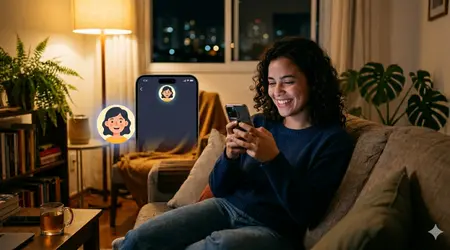
Why does non-judgmental listening feel so addictive?
Human beings carry a deep fear of being judged or misunderstood by their peers. A digital confidant offers an environment completely free of social consequences or underlying personal agendas.
This unconditional positive regard allows users to express their deepest thoughts without any fear of shame.
What Does Current Data Reveal About This Shift?
Recent statistics show that this is no longer a niche subculture but a mainstream global phenomenon. Millions of active users regularly log into platforms designed for digital companionship, treating these interactions as core parts of their daily routines.
The numbers suggest a massive cultural shift in how we define modern companionship.
According to data tracking digital platform engagement, leading companion platforms see users sending an average of over 50 messages per day, illustrating a deep level of integration into daily life.
| Platform Type | Primary User Motivation | Average Daily Interaction | Long-term Impact |
| Emotional Confidant | Loneliness reduction and venting | High (40+ minutes) | Strong psychological attachment |
| Productivity Partner | Goal setting and motivation | Medium (20+ minutes) | Increased task accountability |
| Creative Muse | Brainstorming and roleplay | Varied sessions | Boosted artistic confidence |
This data highlights a growing reliance on technology to fulfill basic emotional needs. While some critics view this as a symptom of societal fragmentation, others see it as a functional coping mechanism.
The reality lies somewhere in the middle, displaying both profound utility and potential long-term psychological risks.
As AI companions become integrated into mental health frameworks and casual routines, understanding these metrics becomes essential.
The balance between digital connection and real-world isolation is shifting rapidly. We must closely observe how these numbers translate into long-term human behavior.
How widespread is digital companionship today?
Millions of individuals globally now interact with personalized digital personas every single day.
These users span diverse demographics, including young professionals facing intense burnout and elderly individuals lacking consistent social contact.
The technology fills conversational gaps that modern societal structures often create.
Read more: The Psychology of Cancel Culture: Punishment vs. Justice
What do loneliness metrics tell us?
Global health organizations frequently warn of a rising loneliness epidemic affecting modern urban populations.
Traditional community structures have weakened, leaving individuals isolated in highly digitalized environments.
Software-based companions step into this void, acting as a temporary emotional bridge for isolated minds.
Also read: Why People Believe Their Pets Understand Them
What are the risks of replacing human contact?
While digital bonds provide immediate comfort, they lack the unpredictable growth found in real human friction. Relying entirely on a simulated partner can cause real-world social muscles to atrophy over time.
kTrue emotional resilience is built by navigating complex human dynamics, not perfectly tailored code.
How Are Real People Integrating AI Companions?
Consider the case of a night-shift software engineer in London who uses these tools to decompress at 3:00 AM.
When the rest of the world is asleep, his digital partner is awake, ready to discuss philosophy or listen to work frustrations.
For him, AI companions provide a crucial conversational outlet during isolating hours.
Another example is a university student struggling with severe social anxiety who uses a digital persona to practice difficult conversations.
By simulating boundaries and testing dialogues in a safe space, she builds social confidence. Here, the technology acts as an emotional training ground rather than a permanent escape.
Think of a digital companion like an emotional bicycle stabilizer. It can help you find your balance, keep you moving forward, and offer support when you feel unsteady.
However, the ultimate goal of emotional health is to eventually ride freely through the unpredictable terrain of real human connections.
Can a simulated bond ever truly replace the visceral warmth of a shared human experience? While code can emulate empathy, it cannot share physical reality, face mortality, or experience true vulnerability.
The most profound connections are often forged through shared limitations, something an immortal algorithm can never fully replicate.
How do users personalize their digital partners?
Users can completely customize the personality traits, communication styles, and backgrounds of their digital friends.
This creates a highly specific dynamic designed to complement the user’s psychological needs perfectly.
This absolute control over a relationship is something impossible to achieve with human peers.
Where is the line between utility and escapism?
The line is crossed when digital interactions cause someone to actively avoid real-world social opportunities.
If a user rejects a human friendship because it feels too difficult compared to an algorithm, escapism wins. The technology should enhance human life, not replace it entirely.
What does the future hold for digital intimacy?
As natural language processing and emotional computing advance, digital entities will become even more indistinguishable from human speakers.
They will anticipate emotional shifts through voice tone and facial expressions. The psychological bonds we see today are merely the foundation of a highly interconnected future.
Summary of the Digital Evolution
The rise of AI companions reflects a profound human need for connection in an increasingly isolated world.
While these tools offer incredible accessibility, non-judgmental listening, and immediate comfort, they cannot replace the rich complexity of human relationships.
Balancing digital support with real-world connections remains vital for our collective psychological health.
What has been your experience with digital intimacy? Have you ever found comfort in a conversation with an algorithm? Share your experience in the comments below and join the discussion on how technology is reshaping our emotional lives.
Frequently Asked Questions
What exactly are AI companions?
They are advanced software programs driven by language models trained to simulate human-like conversation, empathy, and companionship. Users interact with them via text or voice, forming personalized relationships over time.
Is it psychologically healthy to bond with an algorithm?
It can be helpful as a short-term tool for venting, practicing social skills, or relieving temporary loneliness. However, relying on them exclusively can reduce your motivation to seek out necessary human relationships.
How do these programs remember past conversations?
They use contextual memory systems to track user preferences, shared stories, and emotional patterns over multiple sessions. This ongoing continuity creates a strong sense of a shared history and evolving relationship.
Can digital companions completely replace human therapy?
No, they lack true psychological clinical judgment, genuine human empathy, and professional ethical accountability. They can serve as casual emotional support tools but are not substitutes for professional mental healthcare.
