
Sephora Kids Trend: The New Consumer Microculture
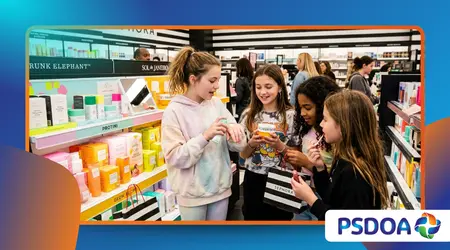
The Sephora Kids Trend is officially transforming the baseline of retail marketing and pediatric dermatological discussion.
Anúncios
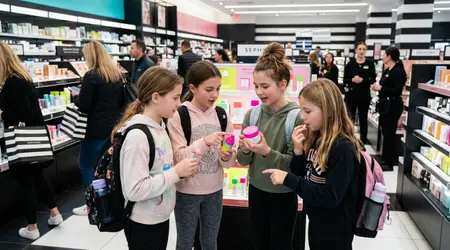
Walk into any major beauty store today, and you are highly likely to encounter groups of Gen Alpha children navigating the aisles, hunting for premium products.
This is not a casual game of playing dress-up with Mom’s lipstick. It is a highly organized, digitally driven consumer microculture that has quickly gained major momentum in the retail sector.
What began as scattered viral videos has evolved into a global phenomenon that challenges our traditional understanding of childhood, commercial influence, and early consumer socialization.
To help grasp the scope of this consumer movement, here is a breakdown of what this piece covers:
- Understanding the Phenomenon: Defining the consumer mechanics behind the retail shift.
- The Power of Social Algorithms: How specific content loops create strong microcultures.
- Dermatological and Legal Realities: The real-world consequences and legislative actions taking shape right now.
- An Analytical Look: Market metrics detailing how spending habits are reorienting.
- Strategic Insights and FAQs: Practical implications for parents and the beauty industry.
What Defines the Rise of the New Gen Alpha Consumer Culture?
The Sephora Kids Trend represents a cultural shift where children between the ages of 8 and 14 completely bypass traditional toy aisles in favor of luxury skincare boutiques.
For this generation, a successful weekend outing is no longer centered around collecting action figures or dolls. Instead, these young shoppers seek out premium, aesthetic packaging that mirrors what they see on their smartphone screens.
This evolution highlights a significant transition from physical toys to digital status symbols wrapped in cosmetic containers.
Why Skincare Has Replaced Toys
Children are highly susceptible to visual social proof, and luxury beauty items function effectively as modern badges of belonging.
When a pre-teen purchases a high-end serum, they are not buying skin correction; they are acquiring entry into a digital community.
The physical storefront serves as the interactive playground where these digital connections materialize in real-time.
This behavioral pivot demonstrates how modern childhood spaces are becoming increasingly commercialized through peer-led social validation.
++ Doomer Culture: The Online Identity Built Around Pessimism
The Role of Peer Mimicry
Psychologically, the desire to fit in operates at an accelerated rate due to around-the-clock digital connectivity. When peers share identical shopping hauls online, it establishes a powerful standard of lifestyle expectation within close-knit school circles.
A child without the popular product feels distinctly isolated from the trending playground conversation.
Consequently, the commercial landscape adapts quickly, repositioning standard self-care as an essential, high-stakes social currency for young demographics.
How Does Influencer Culture Shape the Sephora Kids Trend?
The visual mechanics of modern apps build an intense desire for adult routines long before children reach physical maturity.
Microcultures thrive on specific visual templates, and the “Get Ready With Me” (GRWM) video format serves as the perfect blueprint. Young viewers watch creators systematically apply multiple layers of toners, oils, and creams in organized steps.
This repetitive viewing transforms complex, multi-step cosmetic routines into normalized daily habits for highly impressionable minds.
Also read: Mushroom Foraging Groups: Nature Meets Counterculture
The Logic of the Content Loop
Algorithms naturally reward high engagement, which frequently pushes sophisticated adult lifestyle content directly into the feeds of younger users.
When a child interacts with a single beauty tutorial, their feed quickly populates with identical product recommendations.
This constant exposure creates an digital bubble where advanced anti-aging routines appear universally practiced by everyone their age.
The sheer volume of matching content normalizes a consumption level that is historically unprecedented for this age group.
Read more: Seapunk, Cybergoth, and Other Internet-Born Aesthetics
The Prestige Aesthetic Appeal
Bright, click-open packaging paired with customizable mixing pumps turns skincare application into an interactive, game-like experience.
Premium brands design packaging that explicitly triggers tactile satisfaction, appealing directly to a child’s natural love for sensory play.
Mixing different creams together to create a custom cosmetic formula functions like a luxury version of traditional slime trends. This clever fusion of upscale design and playful mechanics makes adult premium products totally irresistible to young hands.
Why Are Dermatologists and Lawmakers Intervening in This Trend?
The rapid acceleration of the Sephora Kids Trend has created significant concern among medical professionals and consumer safety advocates.
Adult formulations routinely utilize aggressive active agents like pure retinol, chemical exfoliants, and concentrated vitamin derivatives.
While highly beneficial for mature skin cells, these components can severely disrupt the delicate protective barrier of developing skin.
Medical experts frequently report cases of severe redness, chemical irritation, and lingering contact dermatitis caused by inappropriate product adoption.
The Clinical Backlash
Pediatric skin possesses a much faster natural cell turnover rate compared to adult skin, rendering chemical peeling agents entirely unnecessary.
Introducing strong acids to young faces often strips away essential lipids, leaving the epidermis highly vulnerable to environmental damage and UV sensitivity.
Dermatologists emphasize that basic hydration and daily sun protection are the only actual skincare requirements for healthy children.
Using unnecessary anti-aging lines can inadvertently trigger chronic skin sensitivities that persist well into adulthood.
Legislative Protective Frameworks
The scale of this issue has officially triggered serious legislative investigations and structural retail changes in the beauty industry.
Lawmakers are actively debating regulatory frameworks to restrict the unmonitored sale of potent anti-aging products to minors.
Major global beauty retailers are currently introducing mandatory staff training programs to help employees guide young shoppers away from hazardous formulations.
Clear warnings and accessible informational disclaimers are becoming standard additions across major digital shopping platforms.
Analyzing the Macro Impact of Pre-Teen Skincare Consumption
To truly understand how this microculture alters global consumer habits, we must analyze the concrete financial metrics driving the market.
The massive surge in spending among households with children underscores a profound shift in modern retail priorities.
The following data illustrates the structural growth and spending patterns shaping this specific beauty demographic:
| Metric Category | Key Statistical Data | Real-World Marketplace Impact |
| Global Market Expansion | 7.7% annual growth rate through 2028 | Child skincare is projected to hit a massive $380 million valuation globally. |
| Household Spending Surges | 16% rise in high-income family spending | Premium beauty budgets are shifting significantly toward younger dependents. |
| Active Ingredient Overload | 11 average active ingredients per viral routine | Pre-teens are routinely exposing vulnerable skin to complex chemical mixtures. |
| Core Consumer Sourcing | 1 in 3 pre-teen girls shop prestige retail | High-end beauty boutiques have officially replaced traditional department stores. |
The Strategic Balance: Reclaiming Healthy Self-Care Habits
Navigating the current Sephora Kids Trend requires a collaborative approach that respects a child’s creativity while firmly protecting their physical health.
The ultimate goal is to gently decouple the concept of healthy hygiene from the intense pressure of adult beauty standards. Parents can successfully redirect this curiosity by substituting aggressive anti-aging serums with gentle, kid-safe formulations.
This intentional pivot preserves the fun of a daily routine without exposing developing skin to unnecessary chemical risks.
Practical Steps for Safe Routine Substitutions
- Swap chemical exfoliants for simple, fragrance-free hydrating cleansers.
- Replace complex retinol treatments with basic, nourishing barrier creams.
- Exchange heavy foundations for fun, tinted lip balms and soothing mineral sunscreens.
Redefining the Self-Care Conversation
Have you ever wondered why an eleven-year-old would feel compelled to prevent wrinkles they won’t naturally develop for decades?
The answer lies in how we frame our conversations around personal well-being and aging from an early age.
True self-care should focus entirely on supporting health, maintaining hygiene, and building confidence, rather than obsessing over superficial perfection.
By fostering honest discussions at home, we can help the next generation enjoy beauty trends safely, intelligently, and without anxiety.
Are you noticing these beauty trends shifting the dynamic in your own home or local shopping centers? Share your personal experiences and tips in the comments below!
Frequently Asked Questions
What exactly triggered the Sephora Kids Trend?
The movement was sparked by pre-teens watching and recreating adult beauty content on social apps, coupled with tactile, highly engaging product packaging.
Which specific ingredients should children avoid?
Children should strictly avoid retinoids, alpha hydroxy acids (AHAs), beta hydroxy acids (BHAs), and highly concentrated vitamin C serums unless medically prescribed.
At what age can a child safely start a basic skincare routine?
A simple routine consisting of a gentle cleanser, basic moisturizer, and daily sunscreen is perfectly safe and healthy starting around age 8 to 10.
How are major retailers adapting to these safety concerns?
Retailers are implementing clear on-screen warnings, online safety resources, and training employees to steer young shoppers toward age-appropriate products.
How can parents effectively manage this trend at home?
Parents should actively review product ingredient lists, discuss digital marketing tactics with their children, and encourage fun, safe, and hydrating alternatives.
