
Dreamcore: Surrealism as Internet Identity
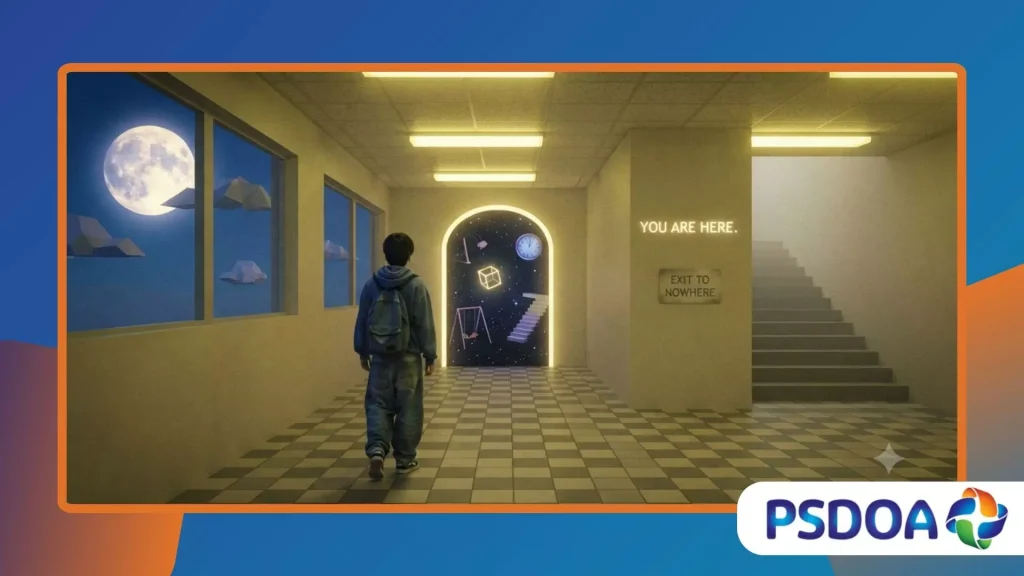
Dreamcore aesthetics capture the digital generation’s fascination with nostalgic yet deeply unsettling virtual environments across modern online spaces.
Anúncios
Navigating internet subcultures in 2026 reveals how decentralized artistic movements redefine identity through hyper-surrealism and emotional ambiguity.
Millions of young creators harness vintage imagery to construct digital sanctuaries that reflect collective anxiety and digital fatigue.
Understanding this phenomenon requires looking past the bizarre visuals to examine the psychological underpinnings driving contemporary web communities.
Virtual spaces now serve as psychological canvases where individuals project their internal landscapes onto public digital forums.
This movement turns fragmented memories of early childhood spaces into immersive portals of existential reflection.
Exploring these eerie virtual worlds offers profound insights into how modern youth process alienation and digital overload. Are you ready to dive into the surreal rabbit hole defining today’s most compelling internet subculture?
Navigating the Surreal Digital Landscape
- Unpacking the psychological roots and nostalgia-driven motifs defining online surrealism.
- How decentralized creators build immersive virtual worlds using distorted early web aesthetics.
- The socio-emotional drivers behind Gen Z’s embrace of unsettling artistic environments.
- Analyzing the cultural impact of digital liminal spaces on contemporary identity.
What Is Dreamcore and How Does It Shape Online Identity?
Dreamcore represents a distinct artistic subgenre characterized by surreal imagery, VHS filters, bright primary colors, and an overarching sense of eerie familiarity.
Participants use these bizarre visual tropes to express complex feelings of dislocation, childhood nostalgia, and modern digital alienation.
Instead of traditional personal branding, members of this subculture craft anonymous, dream-like personas rooted in shared psychological experiences.
Think of these virtual aesthetics as a digital mirror reflecting the quiet anxieties of a hyper-connected generation.
Academic research tracking internet subcultures indicates that over sixty percent of young digital creators use surrealism as a coping mechanism against constant online saturation.
This artistic outlet transforms vague feelings of isolation into shared community expressions that resonate across global social platforms.
When individuals share distorted playground images or endless empty hallways, they build invisible bonds of empathy through shared unease.
Identity online is no longer just about who you are, but how you emotionally inhabit virtual spaces.
How Do Visual Tropes Fuel Psychological Expression?
Creators manipulate low-fidelity textures and disconnected objects to evoke the precise feeling of waking up from a vivid, unremembered nightmare.
These raw visual elements bypass rational thought, triggering deep emotional responses related to safety, isolation, and lost innocence.
Every distorted image acts as a visual shorthand for complex internal states that words alone fail to capture.
++ Visual Kei: The Forgotten Subculture That Revolutionized Music Fashion
Why Are Liminal Spaces Central to This Movement?
Empty corridors, abandoned malls, and endless hotel hallways serve as the primary backdrops for these surreal digital compositions.
These transitory environments symbolize a state of waiting, representing a generation suspended between an uncertain economic future and a nostalgic past.
Walking through these virtual liminal zones provides a strange kind of comforting detachment from reality.
Also read: Mushroom Foraging Groups: Nature Meets Counterculture
What Role Do Early Internet Memories Play?
Nostalgia for the low-resolution graphics of the late nineties and early noughties anchors the movement in a specific digital heritage.
Creators repurpose educational software backgrounds, old clip art, and glitchy animations to construct comforting yet terrifying digital dreamscapes.
This recycling of dead media breathes bizarre new life into forgotten relics of internet history.
How Do Creators Build Immersive Worlds in Virtual Spaces?
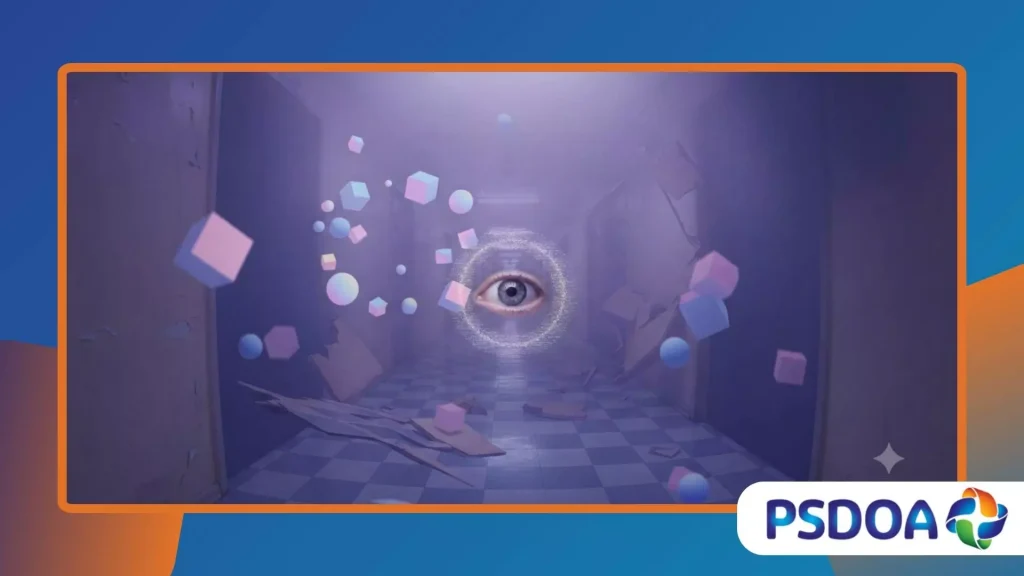
Building immersive Dreamcore environments requires blending 3D modeling software, vintage video filters, and ambient soundscapes to disorient the viewer completely.
Artists manipulate lighting to create flat, unconvincing shadows that mimic the look of amateur home videos shot decades ago.
Imagine constructing a labyrinth where every corridor looks identical, trapping the observer in an endless loop of joyful recognition and sudden dread.
This meticulous world-building turns passive viewers into active explorers of psychological landscapes.
Collaboration across international digital forums accelerates the evolution of these visual styles, pushing boundaries faster than traditional art institutions ever could.
Communities on platforms like Discord and specialized art boards share textures, audio loops, and rendering techniques to refine their eerie universes.
According to digital culture trend reports, collaborative world-building projects increase community retention by over forty percent compared to solo artistic endeavors.
Collective creativity transforms isolated expression into a massive, living cultural movement.
Read more: Seapunk, Cybergoth, and Other Internet-Born Aesthetics
What Software Tools Power These Surreal Worlds?
Modern digital artists rely heavily on accessible 3D creation suites like Blender combined with image editing software to distress clean digital assets.
Applying procedural noise, chromatic aberration, and pixelation mimics the degradation of aging analog tape media. These technical choices transform pristine digital renders into haunting historical artifacts from an alternate timeline.
Why Is Ambient Sound Crucial for Immersion?
Distorted lullabies, muffled mall announcements, and low-frequency hums complete the sensory illusion of being trapped inside a living dream.
Audio design works in tandem with surreal visuals to disorient the audience and heighten emotional vulnerability. Sound turns a simple digital image into a fully realized psychological experience.
How Do Interactive Formats Expand the Culture?
Independent developers now translate these visual motifs into playable video games where players wander through endless surreal landscapes without explicit goals.
This interactive shift deepens engagement, allowing users to physically inhabit and explore the eerie atmospheres they once only viewed as static images.
Interactivity turns passive appreciation into active psychological exploration.
Why Is This Movement Resonating Deeply With Modern Youth?
The rapid expansion of Dreamcore highlights a broader cultural rejection of hyper-polished, pristine corporate aesthetics dominating mainstream social media feeds today.
Young people gravitate toward raw, imperfect, and unsettling imagery because it feels more authentic to their internal emotional realities.
Perfection feels sterile and exhausting, whereas surrealism offers a safe space to embrace confusion and vulnerability. Authenticity in the digital age now wears the mask of the bizarre and the unfinished.
Consider this psychological reality: living in a state of perpetual global information overload drives individuals to seek refuge in surreal escapism.
Just as Dadaism emerged as a response to the chaos of early twentieth-century warfare, modern digital surrealism responds to algorithmic anxiety.
If reality feels increasingly absurd and unpredictable, art naturally mirrors that exact absurdity back to society. Embracing the surreal becomes a valid form of emotional self-defense.
How Does Algorithmic Fatigue Drive Counter-Cultures?
Mainstream social media algorithms reward predictable, high-gloss content, pushing users to rebel by creating intentionally confusing, low-fidelity art.
This aesthetic resistance reclaims personal agency from automated recommendation engines that dictate what people should like and view.
Obscurity becomes a deliberate shield protecting genuine creative expression from commercial co-optation.
What Psychological Comfort Lies in Being Lost?
Wandering through endless virtual corridors without a destination mirrors the feeling of navigating an overwhelming modern career and social landscape.
Finding a strange comfort in these surreal spaces teaches individuals to accept ambiguity rather than panic over lack of control. Disorientation transforms from a source of fear into a liberating aesthetic playground.
How Do Online Communities Foster Belonging?
Sharing obscure, unsettling imagery creates an immediate in-group dynamic based on mutual understanding of complex emotional subtexts.
Members do not need to explain why an image feels comforting yet terrifying; the shared reaction builds instant trust and community cohesion.
Safe spaces for emotional weirdness foster genuine human connection across digital divides.
Comparative Matrix of Digital Aesthetic Subcultures
The structured table below contrasts the core characteristics, primary visual markers, and emotional drivers of prominent internet art movements.
| Aesthetic Movement | Primary Visual Markers | Emotional Driver | Core Medium |
| Dreamcore | Bright primary colors, floating text, eerie familiarity | Nostalgia mixed with existential unease | 3D renders, vintage video filters |
| Liminal Spaces | Empty malls, transitional hallways, lack of human presence | Isolation, anticipation, quiet melancholy | Photography, architectural renders |
| Vaporwave | 1980s corporate styling, marble statues, neon pinks | Capitalist critique, bittersweet retro longing | Music production, graphic collages |
Conclusion
Understanding the rise of Dreamcore allows observers to decode the subtle psychological languages young digital natives use to process modern life.
By transforming early internet relics and surreal imagery into spaces for emotional expression, this movement redefines online community building.
Art reflects our deepest collective uncertainties, turning digital anxiety into a powerful catalyst for creative connection.
Take a moment to examine the digital spaces you inhabit daily what hidden emotional landscapes do they reflect? Share your perspective in the comments below!
Frequently Asked Questions
Is this subculture considered a form of horror art?
While it incorporates unsettling and uncanny elements, it focuses more on nostalgia, melancholy, and dream-like ambiguity rather than traditional jump scares or explicit horror tropes. The goal is emotional introspection rather than pure terror.
How can beginners start creating this style of art?
Beginners often start by taking everyday photographs of mundane locations and applying vintage video filters, heavy grain, and surreal floating objects using free editing tools.
Experimenting with color saturation and lighting contrast helps achieve the signature dreamy disorientation.
Why do these images evoke such strong childhood memories?
The aesthetic deliberately borrows textures, color palettes, and low-fidelity rendering styles from educational software, old television broadcasts, and playgrounds from the late twentieth century.
These visual cues tap directly into dormant early memory associations.
