
Velos de polvo: capas atmosféricas que tiñen de púrpura las puestas de sol.
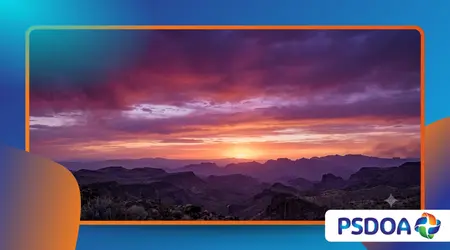
Velos de polvo Representan uno de los misterios atmosféricos más impresionantes de 2026, transformando horizontes ordinarios en obras maestras de un profundo y brillante color violeta.
Anuncios
Este raro fenómeno óptico se produce cuando las partículas finas alcanzan la estratosfera, creando un filtro selectivo para la luz solar.
¿Alguna vez has alzado la vista al anochecer y te has encontrado con un tono violeta intenso e inesperado en lugar del clásico dorado?
Este espectáculo deslumbrante requiere una combinación perfecta de altitud, tamaño de las partículas y ángulos específicos de reflexión de la puesta de sol.
Comprender estos cambios en la estratosfera ayuda a los científicos a rastrear corrientes ocultas de viento global que transportan partículas a miles de kilómetros de distancia.
Anuncios
A medida que evoluciona la dinámica climática, estas partículas de gran altitud actúan como un espejo, reflejando ciertas longitudes de onda de luz de vuelta al espacio cósmico.
El espectro visual resultante ofrece tanto un espectáculo magnífico para los observadores como un tema de gran interés para la investigación atmosférica mundial.
Instantánea del Crepúsculo Violeta
- Causa: Aerosoles estratosféricos que dispersan la luz solar en ángulos crepusculares extremos.
- Lo visual: Un cambio radical, pasando de los típicos tonos rojo anaranjado a un profundo color lavanda y violeta.
- El impacto: Funciona como un indicador en tiempo real de importantes inyecciones de polvo volcánico o del desierto.
¿Qué provoca la aparición repentina de estos cielos crepusculares de color púrpura?
Las erupciones volcánicas y las intensas tormentas de polvo del Sahara empujan finos granos minerales a gran altura, por encima de nuestra troposfera, generando capas atmosféricas temporales.
Cuando estas capas de polvo a gran altitud se sitúan entre quince y treinta kilómetros sobre el suelo, interactúan con los últimos vestigios de la luz del día.
Esta ubicación específica es crucial porque el polvo de la atmósfera inferior simplemente crea una neblina marrón y turbia en lugar de un brillo lavanda artístico.
La magia se intensifica mediante un proceso llamado dispersión de Rayleigh, que generalmente favorece la luz azul durante las horas de mayor intensidad lumínica.
Sin embargo, cuando el sol se oculta tras el horizonte, sus rayos deben atravesar una capa mucho más gruesa de la atmósfera protectora de la Tierra.
Las nubes más bajas y densas bloquean los tonos rojos cálidos, mientras que las capas de polvo estratosférico permiten el paso de los azules y violetas más intensos.
Una excelente manera de visualizar esta acción es imaginar una vidriera que actúa como filtro selectivo para una linterna. La parte superior velos de polvo Sirve como ese cristal, permitiendo que solo los tonos violetas más finos atraviesen la penumbra del crepúsculo.
Sin esta elevación estratosférica específica, la luz azul dispersa se desvanecería en el espacio antes de llegar a tus ojos.
Datos recientes de las redes de monitoreo atmosférico muestran que los inesperados pulsos volcánicos de finales de 2025 alteraron drásticamente los colores del crepúsculo en toda Europa.
Estas enormes columnas de dióxido de azufre y ceniza transformaron las horas doradas habituales en paisajes surrealistas de color púrpura intenso durante varias semanas consecutivas.
Este cambio tan marcado demuestra que nuestro cielo global reacciona instantáneamente a las grandes perturbaciones geológicas que ocurren a miles de kilómetros de distancia.
++ Diablos de vapor: Vórtices raros con forma de tornado
¿Cómo llegan las partículas a la estratosfera?
Las fuerzas térmicas extremas derivadas de erupciones volcánicas explosivas o eventos piroclásticos intensos pueden empujar fácilmente las columnas de ceniza más allá de los límites climáticos normales.
Una vez que estas partículas finas entran en la estratosfera, donde se mantienen estables, pueden permanecer suspendidas durante muchos meses sin caer. La lluvia normal no puede arrastrarlas, lo que permite que las corrientes en chorro globales las distribuyan uniformemente por continentes enteros.
Lea también: Terremotos de hielo (criosismos): cuando el suelo congelado explota sin previo aviso
¿Por qué el cielo se vuelve violeta en lugar de rojo?
A medida que el sol desciende, sus trayectorias de luz se alargan considerablemente, dispersando por completo las longitudes de onda amarillas y verdes habituales. Los diminutos aerosoles en la estratosfera dispersan entonces la luz azul restante, mezclándola con el resplandor rojo del horizonte bajo.
Esta precisa mezcla de azul disperso y rojo fugaz crea el impresionante tono violeta que vemos desde el suelo.
Leer más: El bosque que se hunde en el lago Kaindy: árboles que crecen bajo el agua
¿Dónde se puede observar este fenómeno con mayor frecuencia?
Las ubicaciones geográficas situadas a sotavento de vastos desiertos o zonas volcánicas activas ofrecen la mayor probabilidad de presenciar estos impresionantes fenómenos de crepúsculo púrpura.
Los observadores en la cuenca del Mediterráneo y en algunas zonas del suroeste de Norteamérica informan con frecuencia de estos cambios asombrosos durante las temporadas de intensa actividad de polvo.
El aire limpio y libre de humedad en la superficie ayuda a maximizar la claridad y la intensidad de estas pantallas a color de gran altitud.
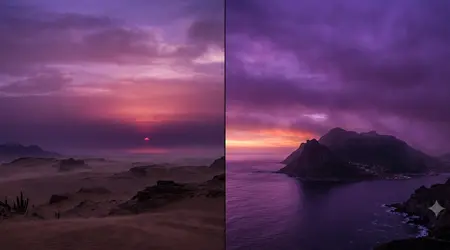
¿Cómo funciona el mecanismo de filtrado de luz en tiempo real?
Los científicos atmosféricos utilizan láseres lidar especializados para medir con precisión cómo estas capas estratosféricas interceptan y desvían la radiación solar incidente.
El proceso depende en gran medida del tamaño de las partículas, ya que solo los aerosoles de menos de un micrómetro pueden producir el efecto de dispersión violeta necesario. Las partículas más grandes tienden a dispersar todos los colores por igual, lo que simplemente crea un resplandor blanquecino y apagado en el horizonte.
Un gran ejemplo real se produjo durante la emblemática erupción del Pinatubo en 1991, que alteró los patrones globales de puesta de sol durante casi dos años completos.
Más recientemente, la sutil atmósfera velos de polvo Los datos recopilados a principios de 2026 han reavivado el interés científico sobre cómo los aerosoles afectan las temperaturas globales.
Estas capas actúan como un sutil parasol a escala planetaria, bloqueando una fracción de la energía solar que llega al suelo.
Cuando el sol se encuentra entre cuatro y seis grados por debajo del horizonte, su luz incide en la capa estratosférica desde abajo.
Esta geometría específica obliga a la luz a pasar dos veces a través de la lámina antipolvo, lo que magnifica la filtración de los colores cálidos estándar.
El resultado es un haz de luz violeta altamente concentrado que ilumina el cielo alto mientras que el suelo permanece oscuro.
Esta compleja interacción demuestra que nuestra atmósfera es un fluido dinámico y multicapa que altera constantemente la luz que recibimos.
Cada variación en la densidad de partículas cambia el resultado visual, convirtiendo el horizonte en un lienzo viviente de la física atmosférica.
El seguimiento de estos cambios proporciona a los investigadores pistas invaluables sobre la salud general y la composición de las corrientes de aire superiores.
¿Qué papel desempeña el tamaño de las partículas de aerosol?
Las partículas submicrométricas son los principales responsables de crear los vibrantes tonos púrpura que definen estos raros fenómenos crepusculares.
Si las partículas crecen demasiado debido a la acumulación de humedad, pierden su capacidad de dispersar la luz de esta manera selectiva.
Por lo tanto, se requiere polvo mineral microscópico seco o gotas de sulfato puro para mantener el espectro violeta intenso y limpio.
¿Cómo afecta el ángulo del sol a los colores?
El resplandor violeta solo se hace visible durante un breve lapso de tiempo que los astrónomos conocen como el crepúsculo náutico oficial.
En este punto preciso, la atmósfera inferior se encuentra a la sombra de la Tierra, mientras que la alta estratosfera permanece completamente iluminada por la luz solar.
Este contraste crea un primer plano oscuro que hace que el cielo púrpura brillante parezca increíblemente vibrante y surrealista.
¿Cuánto tiempo persisten estas capas atmosféricas?
Debido a que la estratosfera carece de patrones climáticos tradicionales como las nubes de lluvia, las partículas no se enfrentan a fuerzas de arrastre descendentes inmediatas.
La gravedad acaba por atraerlos hacia abajo, pero este proceso natural de asentamiento suele durar entre seis meses y dos años completos.
En consecuencia, un único evento volcánico importante puede alterar las características globales de la puesta de sol durante varias estaciones cambiantes.
¿Por qué son importantes estos eventos estratosféricos para la ciencia del clima global?
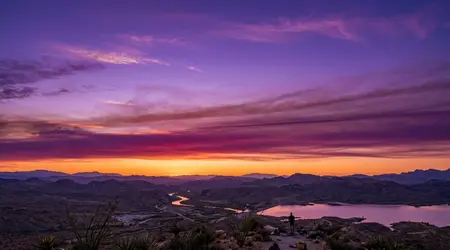
Más allá de su innegable belleza visual, estos fenómenos de gran altitud proporcionan datos cruciales y tangibles sobre el cambiante equilibrio energético de nuestro planeta.
Cuando velos de polvo Al cubrir grandes porciones del planeta, reflejan una cantidad medible de energía solar incidente de vuelta al espacio profundo.
Esta acción reflectante crea un efecto de enfriamiento temporal que complica los modelos tradicionales de pronóstico meteorológico localizado.
Según un estudio de referencia de 2024 realizado por el Centro Nacional de Investigación Atmosférica, las variaciones de los aerosoles estratosféricos pueden alterar las temperaturas regionales de primavera hasta en 0,8 grados Celsius.
Esta estadística pone de relieve cómo las partículas microscópicas que flotan a kilómetros por encima de nuestras cabezas ejercen un control poderoso y directo sobre los ecosistemas a nivel del suelo.
El estudio de estas puestas de sol de color púrpura ayuda a los climatólogos a perfeccionar sus complejos modelos sobre las teorías de gestión intencional de la radiación solar.
A medida que nos enfrentamos a la realidad climática de 2026, comprender estos parasoles naturales se vuelve cada vez más vital para las estrategias de supervivencia a largo plazo.
El cielo sirve como un gigantesco laboratorio, mostrándonos exactamente cómo reaccionan las temperaturas globales ante el aumento de la obstrucción por partículas.
Observar una puesta de sol de color púrpura es, por lo tanto, una mirada directa al sistema interno de regulación de la temperatura del planeta en acción.
Además, estos eventos fomentan una mayor apreciación por la naturaleza delicada e interconectada de los diversos sistemas atmosféricos de la Tierra.
Una tormenta de polvo en África puede, literalmente, cambiar el color de una puesta de sol sobre un tranquilo pueblo de montaña en Utah.
Esta unidad global nos recuerda que la contaminación atmosférica y las cenizas volcánicas no reconocen fronteras nacionales ni límites políticos.
¿Cómo influyen estas capas en el enfriamiento global?
Al reflejar la radiación solar de onda corta de vuelta al espacio, estas capas de aerosol impiden que una parte del calor solar llegue a la Tierra.
Si bien este enfriamiento es temporal, puede reducir las temperaturas medias globales lo suficiente como para enmascarar las tendencias subyacentes de calentamiento durante algunas temporadas.
Los científicos deben calcular cuidadosamente este efecto de enmascaramiento para que las predicciones climáticas a largo plazo sean precisas y fiables.
¿Qué pueden aprender de esto los observadores de aves y los fotógrafos?
Predecir estos vibrantes despliegues violetas permite a los fotógrafos del cielo capturar imágenes increíblemente raras y de alto contraste de paisajes naturales.
Para los observadores de la vida silvestre, los cambios repentinos en el color del crepúsculo y los niveles de iluminación pueden alterar temporalmente los hábitos alimenticios de las aves nocturnas.
Prestar mucha atención a los informes sobre el polvo estratosférico permite comprender mejor estos sutiles ritmos naturales.
Comparación del rendimiento óptico atmosférico
| Tipo de capa | Altitud de la partícula | Color primario disperso | Efecto de horizonte visual | Impacto climático |
| bruma troposférica | 1 – 5 kilómetros | Amarillo/Marrón | Horizonte fangoso y de baja visibilidad | Atrapa el calor superficial localizado |
| Estratosfera volcánica | 15 – 25 kilómetros | Violeta pura / Lavanda | Un crepúsculo púrpura intenso y brillante | Efecto de enfriamiento global temporal |
| Mesoesfera polar | 75 – 85 kilómetros | Azul eléctrico | Cintas plateadas y azules que brillan en la noche | Indicador de metano en la atmósfera superior |
| Velos de polvo del Sahara | 10 – 18 kilómetros | Magenta intenso / Rosa | Amplios arcos crepusculares de tonos cálidos | Fertiliza los ecosistemas oceánicos. |
¿Cómo rastrean los científicos estas invisibles capas de polvo?
Los investigadores modernos se basan en una combinación de satélites en órbita polar y fotómetros crepusculares terrestres especializados para cartografiar las densidades de aerosoles.
Estos instrumentos avanzados detectan cambios sutiles en la polarización de la luz que son completamente invisibles para el ojo humano.
Esta vigilancia constante garantiza que cualquier nueva perturbación estratosférica se registre y analice en tiempo real.
¿Has visto recientemente un horizonte púrpura? ¡Comparte tu experiencia y tu ubicación en los comentarios!
Preguntas frecuentes
¿Son estos atardeceres de color púrpura un signo de peligrosa contaminación superficial?
No, estas exhibiciones violetas específicas son causadas por partículas atrapadas en la estratosfera, muy por encima del aire que respiramos.
La calidad del aire en superficie suele mantenerse perfectamente segura y saludable durante estos fenómenos ópticos de gran altitud.
¿Cómo puedo distinguir entre una puesta de sol roja normal y un verdadero fenómeno de velo de polvo?
Una puesta de sol típica transita rápidamente hacia tonos naranjas y rojos intensos antes de desvanecerse en la oscuridad poco después de que el sol desaparezca.
Un verdadero evento estratosférico se caracteriza por una fase violeta brillante y prolongada que alcanza su punto máximo al final del crepúsculo, mucho después de que los rojos habituales se hayan desvanecido.
¿Hará el calentamiento global que estos fenómenos de cielo púrpura sean más comunes en el futuro?
El aumento de la desertificación y la mayor frecuencia e intensidad de los incendios forestales podrían, con el tiempo, liberar una mayor cantidad de partículas finas a la atmósfera superior.
Si bien la actividad volcánica sigue siendo impredecible, estos cambios en los patrones del terreno pueden aumentar la frecuencia de los cambios regionales del crepúsculo provocados por el polvo.
