
Inercia en la toma de decisiones: ¿Por qué las personas se aferran a malas decisiones durante más tiempo?

Inercia de decisión Representa una de las paradojas más frustrantes del comportamiento humano: la tendencia a repetir una línea de actuación fallida en lugar de optar por una alternativa superior.
Anuncios
En un panorama global que cambia rápidamente, tanto los particulares como las grandes corporaciones caen habitualmente víctimas de este bloqueo psicológico, desperdiciando valiosos años y millones de dólares en estrategias sin futuro.
Confundimos nuestra terquedad con perseverancia, ignorando las señales claras que nos indican que debemos cambiar de rumbo antes de que sea demasiado tarde.
Para comprender por qué nuestro cerebro se aferra a batallas perdidas, es necesario profundizar en los sesgos cognitivos y el comportamiento organizacional.
Cuando analizamos las decisiones desde una perspectiva periodística, descubrimos una falla sistémica en la evaluación del riesgo humano que trasciende tanto las industrias como las vidas personales.
Anuncios
Al desglosar los mecanismos que subyacen a esta parálisis, podemos aprender a reconocer las señales de advertencia y construir marcos prácticos para proteger nuestros recursos, nuestras carreras profesionales y nuestro bienestar mental.
Hoja de ruta de exploración
- Anatomía de la parálisis: Definir los mecanismos psicológicos fundamentales e identificar los síntomas cotidianos ocultos del estancamiento conductual.
- Las raíces de la racionalización: Analizar por qué la aversión a las pérdidas, la falacia del costo hundido y la sobrecarga de opciones distorsionan sistemáticamente nuestra lógica.
- Estrategias para la libertad: Marcos prácticos y basados en la evidencia para romper el ciclo, establecer puntos de salida inteligentes y cultivar la agilidad cognitiva.
¿Qué es esta trampa cognitiva y cómo se manifiesta?
¿Qué define este fenómeno psicológico?
Los psicólogos definen inercia de decisión como la continuación redundante de una secuencia de acciones ineficaz, impulsada por la incapacidad de actualizar nuestras decisiones cuando cambian las circunstancias.
Este comportamiento difiere significativamente de la simple procrastinación porque el individuo está haciendo algo activamente; simplemente está haciendo lo incorrecto repetidamente.
El cerebro prefiere la incomodidad familiar de un fracaso conocido al riesgo incierto de una alternativa no probada.
Consideremos un negocio minorista que, en 2026, siga financiando una tienda física en decadencia en lugar de migrar completamente al comercio digital.
El equipo directivo dedica valiosas horas a optimizar los escaparates en lugar de renovar su infraestructura de comercio electrónico, confundiendo el trabajo improductivo con el progreso estratégico.
Este círculo vicioso paralizante mantiene a los profesionales anclados a mercados en declive, entornos laborales tóxicos y metodologías operativas obsoletas.
¿Cómo procesa el cerebro las decisiones difíciles?
Las investigaciones neurológicas indican que nuestro cerebro procesa la posibilidad de cambiar una decisión como una amenaza inmediata en lugar de una oportunidad potencial.
La amígdala desencadena una respuesta de estrés cuando nos enfrentamos a la ambigüedad de un nuevo camino, lo que hace que la rutina establecida se sienta químicamente más segura.
Nuestra arquitectura cognitiva favorece intrínsecamente la previsibilidad, lo que nos lleva a racionalizar los malos resultados para evitar la incomodidad de la disonancia cognitiva.
¿Te has preguntado alguna vez por qué es más fácil soportar una situación desagradable que adentrarse en lo desconocido? Esto sucede porque el cerebro humano valora tanto la certeza que distorsiona activamente la realidad para proteger sus decisiones pasadas.
Recopilamos selectivamente datos que respaldan nuestra trayectoria actual, descartando las pruebas contradictorias como anomalías temporales o mala suerte externa.
++ Reactancia psicológica: ¿Por qué nos resistimos a ser controlados?
¿Cuáles son las señales cotidianas de estancamiento?
En la vida cotidiana, este patrón de comportamiento se manifiesta como una persistente sensación de estar atrapado, a la vez que se rechaza cualquier estrategia de salida disponible.
Las personas atrapadas en este ciclo suelen usar frases como "Ya he invertido demasiado tiempo como para dejarlo ahora" o "Las cosas podrían mejorar el mes que viene".
Se centran exclusivamente en minimizar las molestias inmediatas en lugar de maximizar la satisfacción y el crecimiento a largo plazo.
Un excelente ejemplo es el de un equipo de ingeniería de software que pasa meses escribiendo parches para una parte del código heredado que está fundamentalmente defectuosa.
En lugar de detenerse a reescribir la arquitectura desde cero, aplican continuamente soluciones temporales que fallan en cuestión de semanas.
Reconocen que el sistema está roto, pero el impulso de su trabajo pasado les impide detener la cadena de montaje.
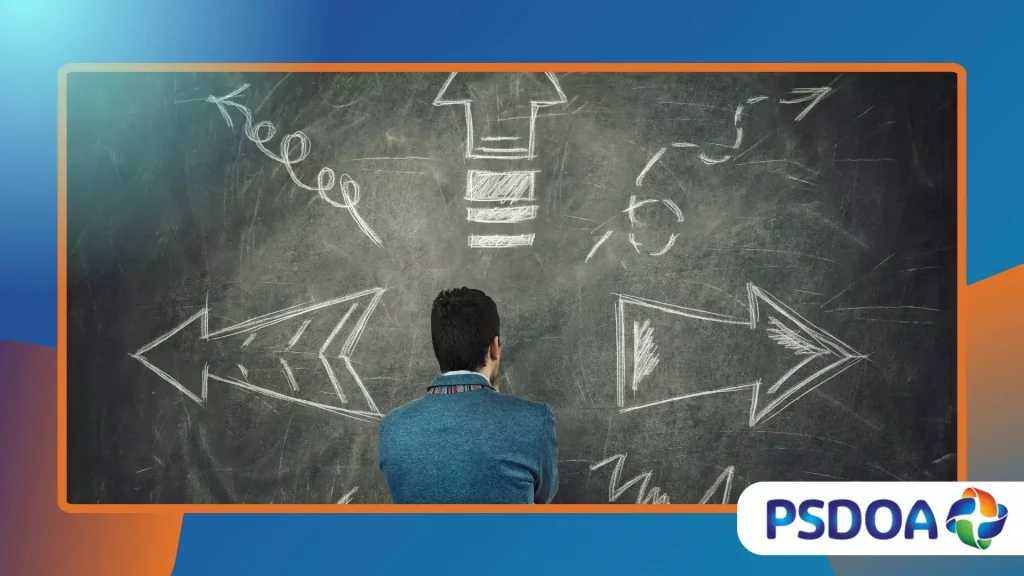
¿Por qué los humanos justifican racionalmente la persistencia irracional?
¿Por qué la falacia del costo hundido se impone a la lógica?
La falacia del costo hundido actúa como el combustible principal para inercia de decisión, convenciéndonos de que las inversiones pasadas justifican los gastos futuros.
Los economistas conductuales destacan que los seres humanos poseen una aversión inherente al despilfarro, lo que irónicamente nos lleva a malgastar aún más recursos tratando de remediar una pérdida.
Creemos erróneamente que retirarse equivale a admitir una derrota definitiva, por lo que redoblamos la apuesta en malas decisiones.
Piensa en esta tendencia como si te quedaras a bordo de un crucero con una enorme brecha en el casco simplemente porque no puedes obtener un reembolso por tu billete.
Observas cómo sube el agua hasta tus tobillos, pero te niegas a subir al bote salvavidas porque el paquete vacacional era increíblemente caro.
La lógica dicta que el dinero se perderá de todos modos, pero nuestras emociones exigen que permanezcamos a bordo para justificar el precio inicial.
Lea también: ¿Por qué las personas están creando vínculos emocionales con sus compañeros de IA?
¿Cómo influye el sesgo del statu quo en nuestras acciones paralizadas?
El sesgo del statu quo crea una poderosa fuerza de atracción psicológica que nos arrastra de vuelta a nuestros patrones predeterminados cada vez que intentamos cambiar de dirección.
Tomar una nueva decisión requiere un gasto significativo de energía mental e introduce la aterradora posibilidad de arrepentirse.
Si cambiamos de rumbo y fracasamos, nos culpamos completamente a nosotros mismos; si mantenemos el rumbo y fracasamos, culpamos a las circunstancias.
Para ilustrar esto, pensemos en un profesional que permanece en una empresa estancada durante una década a pesar de recibir mejores ofertas en otros lugares.
El trabajo actual no ofrece posibilidades de ascenso y está mal pagado, pero representa una rutina muy predecible.
El enorme esfuerzo que supone adaptarse a una nueva cultura corporativa, a los desplazamientos diarios y al nuevo grupo de compañeros crea una barrera que los mantiene paralizados.
Leer más: Recoger aperitivos en compañía: cómo las pequeñas interacciones reducen la soledad
¿Por qué la sobrecarga de opciones complica nuestras salidas?
Cuando las personas se enfrentan a demasiados caminos alternativos, su aparato de toma de decisiones se desmorona por completo, reforzando inercia de decisión como mecanismo de defensa.
La gran cantidad de opciones aumenta el temor a equivocarse, lo que provoca parálisis por análisis. Para evitar la presión de elegir la alternativa absolutamente perfecta, la mente opta por no hacer ningún cambio.
Esta dinámica se manifiesta con frecuencia en las transiciones profesionales modernas, donde los profesionales se sienten abrumados por la enorme cantidad de cursos en línea, sectores y certificaciones disponibles.
Analizan cien futuros posibles diferentes y sienten tanta ansiedad ante la posibilidad de tomar una decisión subóptima que no eligen ninguno.
En consecuencia, permanecen en la misma posición que dicen detestar, paralizados por la ilusión de tener opciones infinitas.
¿Cómo pueden las personas y las organizaciones romper este ciclo?
¿Qué estrategias activas desmantelan la parálisis conductual?
Para superar este estancamiento cognitivo, es necesario interrumpir intencionalmente nuestros patrones de pensamiento predeterminados mediante una retroalimentación externa objetiva.
Cultivar el hábito de realizar auditorías independientes periódicas permite a las personas evaluar su trayectoria actual como si fueran consultores externos.
Dejemos de lado la historia emocional del proyecto y centrémonos exclusivamente en los datos generados durante el último trimestre.
Imagina que esta mañana heredas tu cartera de inversiones actual, ya sea de tu vida personal o empresarial, sin ningún historial previo; ¿elegirías invertir activamente en esas mismas áreas hoy?
Si la respuesta es un no inmediato, su persistencia actual se debe más a la costumbre que a un valor estratégico.
Forzar este cambio de perspectiva rompe el apego emocional a las decisiones del pasado y subraya la necesidad de un giro inmediato.
¿Cómo ahorran recursos los puntos de salida predefinidos?
Las organizaciones pueden aislarse de inercia de decisión estableciendo métricas estrictas y cuantificables para la finalización de proyectos antes de lanzar cualquier nueva iniciativa.
Estos compromisos previos, a menudo denominados "mecanismos de alerta", eliminan la carga emocional de decidir cuándo abandonar durante una crisis.
Cuando un proyecto alcanza un umbral negativo específico, el protocolo de salida automatizado se activa inmediatamente sin negociación alguna.
Una empresa emergente de tecnología podría decretar que si un nuevo canal de captación de usuarios no genera un retorno de la inversión específico en un plazo de noventa días, la financiación se detendrá automáticamente.
Este límite estructural impide que los equipos se encariñen con sus propias ideas y malgasten dinero. Transforma una decisión altamente emocional en una ejecución sencilla y disciplinada de las reglas operativas.
¿Cómo influye una mentalidad de crecimiento en la toma de decisiones?
Cambiar nuestra definición de fracaso es el antídoto definitivo contra el estancamiento conductual, ya que elimina la penalización psicológica de cambiar de rumbo.
Cuando una organización considera un proyecto fallido como un valioso ejercicio de recopilación de datos en lugar de una derrota personal, los empleados pierden el miedo a cambiar de rumbo.
La agilidad se convierte en el principal indicador de éxito, reemplazando el ideal obsoleto de la persistencia ciega.
La realidad psicológica es clara: reduce tus pérdidas cuanto antes para liberar tu capacidad cognitiva y tu capital para oportunidades realmente lucrativas.
Una investigación de la Universidad de Stanford demuestra que las personas que consideran que sus habilidades y estrategias son adaptables desarrollan una resiliencia significativamente mayor frente a las trampas conductuales.
No consideran que un cambio de rumbo sea una admisión de incompetencia, sino más bien un paso esencial para la optimización.
Análisis comparativo de las respuestas conductuales
| Rasgo de comportamiento | Alta inercia en la toma de decisiones | Toma de decisiones adaptativa |
| Enfoque principal | Proteger las inversiones en recursos anteriores | Maximizar la utilidad estratégica futura |
| Evaluación de riesgos | Sobreestimar el peligro del cambio | Evaluar objetivamente los riesgos del statu quo |
| Reacción ante el fracaso | Racionalización y mayor compromiso | Análisis inmediato y cambio de rumbo estratégico |
| Gestión de la elección | Paralizado por las opciones alternativas | Eliminación metódica de malas decisiones |
Redefiniendo la persistencia en un mundo cambiante.
La verdadera resiliencia estratégica exige que comprendamos que abandonar un proyecto fallido es un acto de valentía, no de cobardía.
Cuando examinamos las fuerzas ocultas que impulsan inercia de decisiónDescubrimos que nuestra terquedad rara vez proviene de una falta de inteligencia, sino más bien de un profundo miedo a la vulnerabilidad.
Debemos aprender a honrar nuestros esfuerzos pasados sin permitir que dicten nuestro potencial futuro.
Mediante la implementación de estrictas medidas de control psicológico, la apertura a perspectivas externas y la adopción de una cultura que recompense la agilidad por encima de la lealtad ciega, podemos protegernos del estancamiento.
La próxima vez que te encuentres atascado en un camino frustrante, detente un momento y pregúntate qué es lo que realmente estás protegiendo.
Deshazte hoy mismo de lo que te estorba para asegurarte la libertad de aprovechar las oportunidades revolucionarias del mañana. ¿Qué decisión has estado evitando cambiar simplemente porque te resulta familiar?
Comparte tu experiencia en los comentarios a continuación. ¿Alguna vez te has liberado de una trampa de comportamiento a largo plazo? ¿Qué fue lo que finalmente desencadenó tu cambio de rumbo?
Preguntas frecuentes
¿Cuál es la principal diferencia entre perseverancia e inercia en la toma de decisiones?
La perseverancia implica mantenerse en un camino desafiante porque los datos y las perspectivas a largo plazo aún apuntan a un éxito real a pesar de los obstáculos temporales.
En cambio, la trampa de la inercia se produce cuando uno persiste simplemente porque ya ha invertido recursos, a pesar de la abrumadora evidencia de que ese camino conduce al fracaso.
¿Pueden las grandes corporaciones experimentar esta parálisis cognitiva?
Por supuesto, la historia empresarial está repleta de ejemplos a gran escala de este fenómeno, donde los consejos de administración se niegan a abandonar las líneas de productos fallidas debido a la política interna y a los costes irrecuperables.
Este estancamiento organizativo suele persistir hasta que un competidor más ágil irrumpe por completo en el mercado.
¿Cómo puedo ayudar a un colega que está atrapado en un bucle sin retorno?
Evite atacar directamente su decisión inicial, ya que esto solo provocará una actitud defensiva y aumentará su deseo de racionalizar su comportamiento.
En cambio, formule preguntas abiertas y con visión de futuro sobre la asignación de recursos futuros para ayudarles a comprender de forma independiente los costes de oportunidad de su camino actual.
