
Biofotones: Explicación de la luz emitida por las células vivas
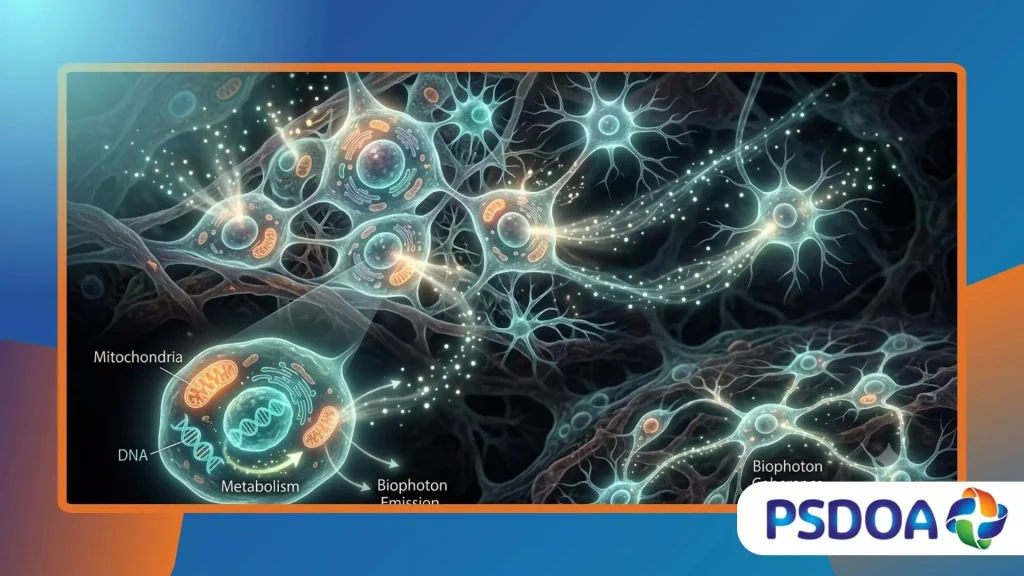
Biofotones Representan una de las fronteras más fascinantes de la investigación biológica moderna, iluminando el diálogo silencioso y radiante que tiene lugar en el interior de cada organismo vivo.
Anuncios
Si bien suelen asociarse con la bioluminiscencia en las criaturas de las profundidades marinas, estas tenues emisiones de luz son en realidad una característica universal de toda la vida biológica.
Los científicos describen estas emisiones como emisiones de fotones ultradébiles, detectables únicamente con equipos increíblemente sensibles, pero que tienen profundas implicaciones para la comprensión de la comunicación celular y la salud.
Este descubrimiento desafía nuestra visión tradicional de la célula como una máquina puramente bioquímica regida por reacciones moleculares. En cambio, este fenómeno sugiere una capa de organización electromagnética, donde la luz actúa como un medio de señalización de alta velocidad.
A medida que avanzamos hacia 2026, los investigadores recurren cada vez más a esta "luz de la vida" para explicar procesos complejos que la biología clásica no logra resolver. ¿Podría ser este el código maestro de la sincronización celular?
Anuncios
Temas clave explorados
- La definición fundamental de emisiones de luz ultradébiles.
- Cómo las señales electromagnéticas facilitan la cooperación celular rápida.
- Posibles aplicaciones diagnósticas para el seguimiento no invasivo de la salud.
- La diferencia entre la señalización biológica interna y la bioluminiscencia externa.
¿Qué son estas débiles emisiones y cuál es su origen?
Los biofotones son esencialmente ondas electromagnéticas ultradébiles en el espectro óptico, producidas como subproducto de la conversión de energía metabólica dentro de las células vivas.
A diferencia de la luz brillante que emiten las luciérnagas, estas emisiones son casi mil veces más débiles de lo que el ojo humano puede percibir directamente. Esta luz se origina principalmente en las reacciones oxidativas que tienen lugar en las mitocondrias, las centrales energéticas de las células.
Este proceso funciona como una red interna de fibra óptica, transmitiendo información a través del cuerpo casi instantáneamente en comparación con la señalización química.
Imagínelo como una transmisión inalámbrica de datos a alta velocidad, en comparación con un servicio de correo postal tradicional. Dado que estas señales viajan a la velocidad de la luz, permiten que los tejidos coordinen respuestas fisiológicas complejas con una precisión unificada y extraordinaria.
¿Cómo facilita la luz la comunicación interna?
La vida celular requiere una sincronización constante para mantener la homeostasis, y los campos electromagnéticos proporcionan el medio perfecto para esta coordinación rápida y a gran escala.
Al emitir frecuencias específicas, las células pueden comunicar su estado metabólico a las vecinas, lo que permite una respuesta colectiva al estrés, las lesiones o incluso la progresión de la enfermedad.
Este descubrimiento cambia nuestra perspectiva, pasando de considerar las funciones celulares de forma aislada a analizar una sinfonía biológica profundamente interconectada.
¿Por qué es tan crucial la función mitocondrial en este caso?
Las mitocondrias generan la energía necesaria para la vida, y su salud se refleja directamente en la intensidad y coherencia de las señales luminosas que emiten.
Cuando la función mitocondrial disminuye, los patrones de emisión de luz cambian, lo que proporciona una ventana en tiempo real al estado energético de la célula.
Los científicos creen ahora que esta "huella óptica" podría indicar la salud metabólica o incluso la fatiga celular mucho antes de que aparezcan los síntomas físicos.
++ ¿Por qué algunos científicos intentan simular un universo en miniatura?
¿Este fenómeno se encuentra en todas las especies?
La investigación confirma que Biofotones Son emitidas por todos los sistemas vivos, desde bacterias y plantas unicelulares hasta complejos tejidos neuronales humanos.
Si bien la intensidad varía significativamente entre especies y estados de actividad, el mecanismo fundamental sigue siendo un indicador constante de vitalidad biológica.
Esta universalidad confirma que la señalización electromagnética es un aspecto básico y fundamental de la vida en la Tierra.
¿Cómo influye este descubrimiento en la medicina diagnóstica moderna?
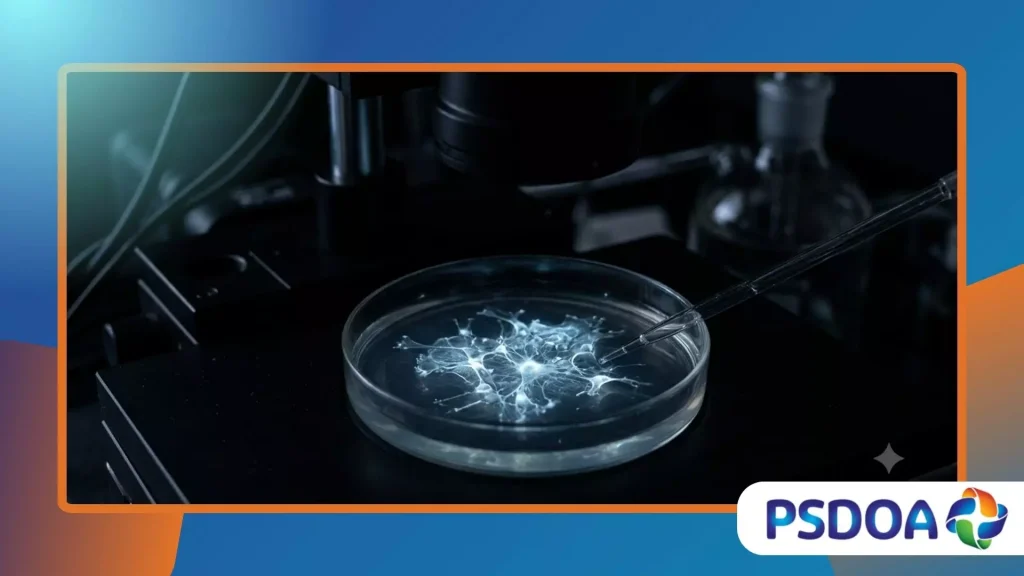
El potencial de los diagnósticos no invasivos representa la aplicación más prometedora de este campo en la ciencia médica contemporánea.
Debido a que las emisiones de luz se correlacionan con el estrés oxidativo y la actividad metabólica, sirven como un marcador único y en tiempo real de los estados inflamatorios internos.
Mediante la medición de estos pulsos, los médicos podrían detectar la disfunción celular en sus primeras etapas sin necesidad de biopsias invasivas ni pruebas de laboratorio complejas.
Además, esta señalización radiante proporciona información sobre cómo factores externos como los contaminantes ambientales o los cambios en la dieta afectan nuestro equilibrio biológico interno.
La integración de estos datos permite obtener una visión más completa de cómo las elecciones de estilo de vida se manifiestan físicamente como cambios en los patrones de luz a nivel celular.
Actualmente, los investigadores médicos están desarrollando tecnologías de detección avanzadas capaces de mapear estas emisiones en entornos clínicos para monitorear los patrones de recuperación.
Lea también: Magnetorrecepción: El sentido oculto que los humanos podrían poseer
¿Cómo pueden los patrones de luz predecir el estrés celular?
Cuando las células se enfrentan a un traumatismo o estrés oxidativo, la intensidad de su emisión de luz suele aumentar significativamente antes de que el daño físico se haga evidente.
Este pico funciona como un "sistema de alerta temprana" biológico, que nos permite observar la lucha de las células por mantener el orden frente a amenazas ambientales o internas.
El seguimiento de estos cambios ofrece a los médicos un margen de tiempo crucial para intervenir con apoyo específico.
Leer más: Cronobiología: Cómo los relojes biológicos influyen en el rendimiento humano
¿Existen aplicaciones para la investigación neurológica?
Los tejidos neuronales, al ser altamente activos metabólicamente, emiten patrones distintivos que se correlacionan con la velocidad de procesamiento de señales y la eficiencia de la transferencia de información dentro del cerebro.
Los investigadores plantean la hipótesis de que la sincronización cerebral a nivel global podría estar parcialmente regulada por este medio óptico rápido, lo que proporcionaría una nueva dimensión para el estudio de la memoria y la cognición.
Este campo abre las puertas a la comprensión de cómo la conciencia podría estar vinculada a la coherencia electromagnética subyacente.
¿Qué dice la investigación sobre la coherencia?
Coherencia verdadera en Biofotones Se refiere al nivel de orden y sincronización dentro de los pulsos de luz emitidos por diferentes grupos de células.
Una alta coherencia indica un sistema biológico sano y bien organizado, mientras que una baja coherencia suele asociarse con enfermedades o caos sistémico.
El logro de la "coherencia biológica" se estudia cada vez más como un indicador del máximo rendimiento humano y de la resiliencia de la salud a largo plazo.
¿Por qué se considera a este campo una “revolución silenciosa” en la ciencia?
El estudio de Biofotones Desafía el dogma arraigado de que la señalización biológica se limita exclusivamente a la difusión química lenta a través de los espacios sinápticos.
Al reconocer la existencia de una capa de señalización electromagnética, obtenemos una visión más completa de cómo funcionan los organismos como entidades integradas, en lugar de fragmentadas.
Este campo nos obliga a replantearnos la naturaleza misma de la transferencia y el almacenamiento de energía dentro de la materia biológica.
A medida que mejora nuestra tecnología de sensores, los datos recopilados confirman que la luz no es solo un subproducto, sino un componente esencial del sistema de regulación biológica.
Este cambio es paralelo a la transición en física de la mecánica clásica a la dinámica cuántica, donde nos damos cuenta de que los campos invisibles son tan importantes como la materia física.
Comprender esta red radiante es esencial para el futuro de la medicina regenerativa e integrativa.
¿Cómo se recopilan los datos?
Los experimentos modernos utilizan tubos fotomultiplicadores o cámaras de dispositivo de carga acoplada (CCD) de alta tecnología, mantenidas en entornos herméticos a la luz, para aislar las señales ultradébiles.
Mediante la aplicación de protocolos estandarizados, los investigadores pueden capturar estos pulsos débiles y convertirlos en datos de frecuencia interpretables.
Esta metodología rigurosa ha transformado el campo, pasando de la especulación teórica a una rama científica empírica y creíble.
¿Cuál es el papel de la tecnología moderna?
Los avances en óptica cuántica permiten ahora obtener imágenes de alta resolución de estas emisiones de luz, revelando patrones temporales que antes permanecían ocultos a la vista.
Este avance tecnológico nos permite observar la "respiración" de las células a través de su emisión de luz, creando un mapa dinámico de su actividad a lo largo de horas o días. Por fin estamos obteniendo las herramientas para descifrar el lenguaje óptico secreto de nuestra propia biología.
¿Existen dificultades para replicar los resultados?
La replicación es difícil porque las señales son tan débiles que cualquier ruido ambiental, como campos magnéticos parásitos o fluctuaciones de temperatura, puede enmascarar los datos.
Sin embargo, la comunidad científica internacional está adoptando estándares uniformes, lo que garantiza que los resultados experimentales sean consistentes y verificables en diferentes laboratorios.
Este cambio institucional está impulsando rápidamente la credibilidad y el ritmo de los nuevos descubrimientos.
Datos comparativos: emisiones de luz y estados biológicos
La tabla que figura a continuación describe la relación entre la actividad biológica y la emisión de luz medida observada en varios modelos de laboratorio hasta el año 2026.
| Estado biológico | Intensidad de emisión medida | Marcador indicativo |
| Homeostasis normal | Pulsos bajos, estables y rítmicos. | Alta coherencia biológica |
| Estrés oxidativo | Aumento brusco e irregular | Inicio del daño celular |
| Regeneración rápida | Ritmo sostenido y armonioso | Reparación estructural activa |
| Agotamiento metabólico | Señales que se desvanecen y caóticas | Pérdida inminente de la función celular |
| Actividad neuronal | Ondas pulsadas de alta frecuencia | Procesamiento activo de la información |
Conclusión
El estudio de Biofotones ha revelado que la vida es inherentemente radiante, participando en una conversación electromagnética constante y de alta velocidad.
Al ir más allá de los modelos puramente bioquímicos, logramos una comprensión más profunda de la sincronización celular, la salud y la resiliencia.
Esta señalización basada en la luz no es solo una curiosidad científica; es un pilar fundamental de la organización biológica que promete revolucionar el diagnóstico médico.
A medida que aumenta nuestra capacidad para medir e interpretar estas señales, nos acercamos a dominar nuestra propia vitalidad interna.
¿Te has preguntado alguna vez cómo se comunican tus células en la oscuridad? ¡Comparte tu opinión sobre este fascinante descubrimiento en los comentarios!
Preguntas frecuentes
¿Pueden los humanos ver realmente estas emisiones de luz?
No, la intensidad de estas emisiones está muy por debajo del umbral de percepción visual humana.
Se requiere equipo especializado, como tubos fotomultiplicadores, para detectar y registrar las señales, ya que son millones de veces más tenues que la luz visible.
¿Es esto lo mismo que el “aura” que se menciona con frecuencia en la medicina alternativa?
La investigación científica sobre estas emisiones de luz es distinta del concepto de aura espiritual.
Las emisiones biofotónicas son fenómenos electromagnéticos físicos, medibles y cuantificables, basados en principios establecidos del metabolismo celular y la biología cuántica.
¿Esta tecnología sustituirá a los análisis de sangre convencionales?
Es poco probable que reemplace por completo los análisis de sangre convencionales, pero actúa como un complemento eficaz y no invasivo.
Proporciona datos funcionales en tiempo real que las pruebas bioquímicas podrían pasar por alto, ofreciendo una visión dinámica de la salud "óptica" de los tejidos.
¿Cómo afecta la exposición a la luz a estas emisiones?
La exposición a la luz externa puede influir temporalmente en los patrones de emisión de las células de la piel, razón por la cual la investigación clínica se lleva a cabo en entornos completamente oscuros.
Comprender esta sensibilidad ayuda a los investigadores a aislar las señales biológicas internas de las interferencias externas.
