
Comunidades de preparacionistas: entre el supervivencialismo y la conspiración
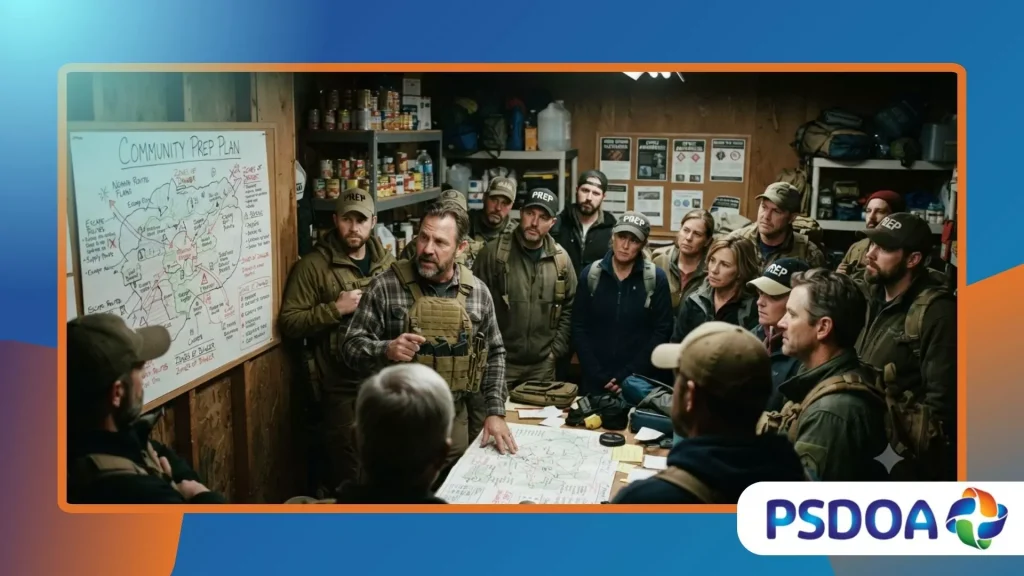
Comunidades de preparacionistas En 2026, habrán pasado de ser subculturas marginales a importantes movimientos sociales, impulsados por la inestabilidad global y la rápida aceleración de las crisis climáticas.
Anuncios
Lo que antes era una preocupación minoritaria por los escenarios apocalípticos, ahora abarca a un amplio sector de la población que busca autonomía en un mundo impredecible.
Este movimiento refleja una creciente desilusión con la infraestructura centralizada, lo que lleva a las personas a priorizar la autosuficiencia sobre la dependencia tradicional de los servicios estatales o corporativos.
Las estrategias de preparación modernas abarcan desde la simple jardinería urbana hasta la construcción de búnkeres subterráneos fuertemente fortificados y aislados de la red eléctrica.
A medida que las vulnerabilidades de la cadena de suministro se normalizan, el deseo de acumular productos básicos (alimentos, agua, suministros médicos y energía) se ha generalizado.
Anuncios
¿Este cambio generalizado es una respuesta racional a riesgos globales legítimos, o señala un descenso más profundo hacia la paranoia reaccionaria?
- Los orígenes del movimiento de supervivencia en el siglo XXI.
- Distinguir entre la preparación práctica y el aislacionismo extremo impulsado por teorías conspirativas.
- Los factores psicológicos que impulsan la búsqueda de la autosuficiencia total.
- Datos sobre el crecimiento del sector de la preparación para emergencias y su influencia en el mercado.
¿Qué define al movimiento de supervivencia moderno?
Los participantes actuales en estos movimientos suelen rechazar el estereotipo del "habitante de un búnker enloquecido", prefiriendo términos como "asentado" o "ciudadano preparado".
Se organizan a través de foros digitales y encuentros presenciales, compartiendo conocimientos sobre agricultura regenerativa, energías renovables y tácticas defensivas.
Esta evolución refleja un deseo de autonomía en un entorno donde las fuerzas externas se perciben cada vez más volátiles y poco fiables.
Para la mayoría de estas personas, la practicidad sigue siendo el principal motor, ya que consideran sus acciones como una póliza de seguro contra fallos sistémicos.
Sin embargo, la difuminación de los límites entre la evaluación legítima de riesgos y las teorías conspirativas marginales crea fricciones internas.
Mientras que algunos se centran estrictamente en la gestión de desastres, otros tejen narrativas de un colapso social inevitable causado por actores ocultos y malévolos.
¿Cómo influye la fragilidad de las infraestructuras en el interés por este tema?
El recuerdo de las interrupciones en las cadenas de suministro relacionadas con la pandemia mundial permanece fresco en la conciencia pública en 2026.
Los frecuentes apagones regionales y los fracasos agrícolas provocados por el cambio climático proporcionan pruebas constantes y tangibles de que los sistemas críticos son más frágiles de lo que admiten los políticos.
Esta percepción transforma la preparación en una tarea lógica, casi administrativa, para millones de familias de clase media.
++ Visual Kei: La subcultura olvidada que revolucionó la moda musical.
¿Cuál es el papel de la tecnología en esta cultura?
Actualmente, las soluciones de alta tecnología dominan el panorama, y los paneles solares, las comunicaciones por satélite y la vigilancia automatizada con drones se están convirtiendo en elementos estándar para las instalaciones avanzadas.
La tecnología permite un enfoque más eficiente y menos laborioso para vivir al margen de la red eléctrica, en comparación con los supervivientes de la década de 1990.
La conectividad digital ayuda a difundir información compleja sobre supervivencia, pero también acelera la propagación de teorías sin fundamento.
Lea también: Grupos de recolección de setas: La naturaleza se encuentra con la contracultura
¿Podemos distinguir la practicidad del pánico?
Existe una clara distinción entre quienes construyen redes sostenibles y centradas en la comunidad y quienes alimentan agendas extremistas.
El primero fomenta la resiliencia local y el comercio colaborativo, mientras que el segundo promueve el aislamiento y la hostilidad hacia los forasteros. Reconocer esta distinción es fundamental para comprender el verdadero impacto cultural de estos grupos.
¿Por qué echan raíces aquí las teorías conspirativas?
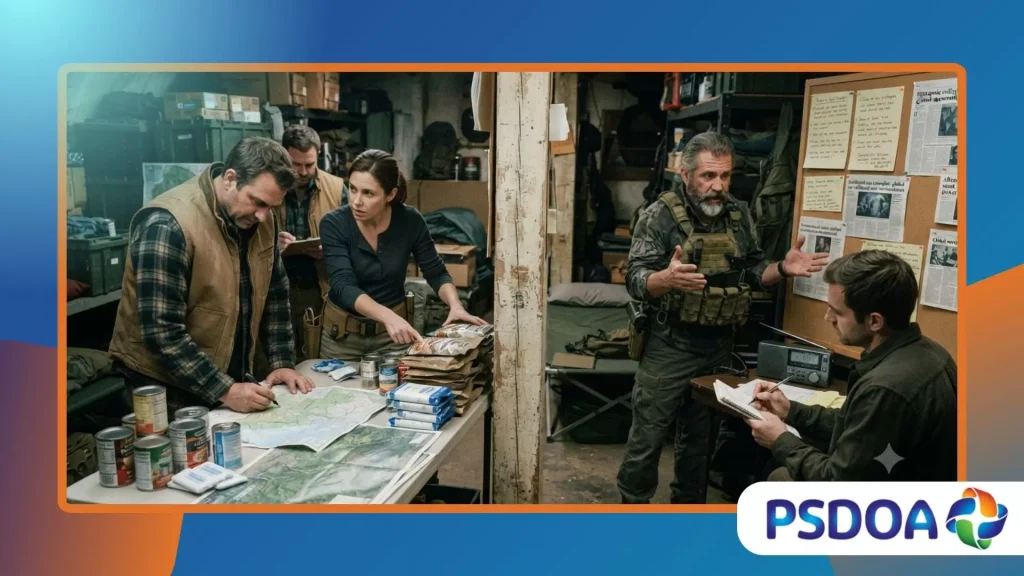
Esta subcultura suele servir de imán para aquellos que se sienten alienados por los discursos políticos y sociales dominantes.
Cuando el mundo parece abrumador, las narrativas que identifican enemigos claros (gobiernos, élites globales o grupos ocultos) proporcionan una falsa sensación de claridad y control.
Para muchos, estas explicaciones resultan más reconfortantes que la caótica realidad del colapso ambiental o económico sistémico.
El aislamiento inherente al supervivencialismo extremo actúa como un círculo vicioso que perpetúa estas ideas peligrosas. Sin exposición a puntos de vista disidentes, sus miembros caen rápidamente en cámaras de eco que validan sus peores temores.
Este aislamiento cognitivo puede transformar a una persona preocupada por el almacenamiento de alimentos en un individuo radicalizado que teme una guerra inminente o una purga autoritaria.
¿Cómo amplifican las redes sociales las ideas marginales?
La selección algorítmica garantiza que los usuarios que buscan consejos sobre energía solar vean rápidamente sugerencias de contenido sobre conspiraciones globales.
Esta rápida radicalización supone una gran preocupación para los investigadores sociales que monitorean los patrones de crecimiento extremista. Convierte un interés inocuo por la autosuficiencia en una puerta de entrada para la desinformación desestabilizadora.
Leer más: Seapunk, cybergoth y otras estéticas nacidas de Internet
¿Cuál es el coste psicológico de la vigilancia constante?
Vivir en un estado de alerta permanente tiene graves consecuencias para la salud mental y las relaciones sociales.
Las familias suelen experimentar una profunda tensión cuando uno de sus miembros prioriza el "colapso inminente" por encima de las relaciones presentes o las metas financieras. Esta preocupación por el futuro les roba la posibilidad de disfrutar del momento presente.
¿Cómo utilizan estos espacios los actores extremistas?
Los reclutadores de grupos paramilitares o de odio suelen infiltrarse en estos foros con el pretexto de enseñar técnicas de supervivencia.
Explotan la desconfianza preexistente de los participantes hacia la autoridad para radicalizar a individuos vulnerables. Esta estrategia intencional convierte a los grupos locales en focos de movilización de extrema derecha y de sentimiento antidemocrático.
¿Cuáles son las realidades de la autosuficiencia a gran escala?
La puesta en práctica de la autosuficiencia es mucho más difícil de lo que sugieren las representaciones de la cultura popular.
Mantener la seguridad alimentaria durante todo el año, gestionar los residuos y garantizar la estabilidad médica requiere un inmenso esfuerzo físico y conocimientos técnicos.
La mayoría de los participantes acaban descubriendo que el verdadero aislamiento es imposible; la supervivencia depende en gran medida de la comunidad, el comercio y los recursos compartidos.
Esta constatación suele obligar a reevaluar la filosofía central del movimiento. Quienes triunfan suelen ser aquellos que pasan del «yo contra el mundo» al «nosotros contra el desastre».
Los más resistentes comunidades de preparacionistas Son aquellas que funcionan como minisociedades en lugar de fortalezas, fomentando la cooperación y la ayuda mutua.
¿Cómo influyen estos grupos en la economía local?
Los preparativos a gran escala requieren una inversión significativa en herramientas especializadas, equipos de energía sostenible y recursos no perecederos.
Las empresas locales que atienden a este segmento demográfico experimentan un crecimiento sólido, ya que la demanda de suministros agrícolas y médicos se mantiene constante.
Este nicho económico proporciona una base estable para proyectos de revitalización rural en muchas regiones.
¿Es la independencia total un objetivo realista?
La independencia total es un mito; incluso el superviviente más avanzado depende de la cadena de suministro global para obtener tecnología y medicamentos de alta gama.
Reconocer esta interdependencia es clave para una preparación madura. Una perspectiva saludable enfatiza la redundancia en lugar de una desconexión total con el mundo moderno.
¿Qué dicen los datos sobre el crecimiento demográfico?
Estudios sociológicos recientes indican que el interés por la autosuficiencia ha aumentado en casi un 401% desde 2020 entre las poblaciones urbanas.
Este cambio demográfico desplaza la atención de los retiros rurales a la "preparación" urbana, centrándose en el almacenamiento de provisiones en los hogares y la resiliencia comunitaria.
El movimiento se está diversificando rápidamente, dejando atrás su antigua reputación como un fenómeno exclusivamente blanco y rural.
Datos comparativos: Enfoques para la resiliencia
La tabla que aparece a continuación compara las diferentes metodologías empleadas actualmente por distintos segmentos del espectro del survivalismo.
| Acercarse | Enfoque principal | Filosofía social | Percepción del riesgo |
| Superviviente tradicional | Defensa táctica/Búnkeres | Individualista/Aislacionista | Alto (Colapso social inminente) |
| Granjero autosuficiente y resiliente | Agricultura sostenible/Energía | Ayuda comunitaria/mutua | Moderado (estrés económico sistémico) |
| Preparacionista urbano | Acumulación/Redundancia | Redes/Adaptabilidad | Variable (perturbaciones localizadas) |
| Alineado con la conspiración | Pureza ideológica/Separación | Hostil hacia los forasteros | Extremo (Agendas malignas ocultas) |
Conclusión
La evolución de comunidades de preparacionistas Revela una sociedad que lucha por conciliar la promesa de progreso con la realidad de una creciente fragilidad global.
Ya sea por motivos racionales o por miedos reaccionarios, el deseo de autonomía sigue siendo un poderoso motor humano en 2026.
El futuro de este movimiento depende de si opta por construir comunidades más fuertes o sucumbir al aislamiento del extremismo.
La verdadera resiliencia rara vez se encuentra en un búnker, sino en los lazos que cultivamos con nuestros vecinos antes de que llegue la tormenta. ¿Cómo te preparas para lo inesperado en tu vida? Comparte tus estrategias en los comentarios.
Preguntas frecuentes
¿Es necesario ser paranoico para participar?
No. Muchas personas participan aprendiendo habilidades prácticas y valiosas como primeros auxilios, jardinería y mecánica básica.
Estas habilidades son objetivamente beneficiosas independientemente de si ocurre un desastre importante, ya que mejoran tu autosuficiencia diaria sin necesidad de adoptar teorías conspirativas.
¿Cómo puedo evitar el contenido radicalizado?
Priorice las fuentes que se centren en habilidades prácticas como la conservación de alimentos, la instalación de paneles solares o la clasificación de pacientes en situaciones de emergencia médica.
Si una fuente sugiere que un grupo específico o una élite oculta está orquestando el colapso, considérelo una señal de alerta y desconéctese inmediatamente de ese canal o grupo en particular.
Son comunidades de preparacionistas ¿Está creciendo realmente en las zonas urbanas?
Sí. Con el auge del "supervivencia urbana", muchas personas ahora se centran en soluciones más pequeñas y prácticas para apartamentos, como la filtración de agua, la rotación de alimentos a largo plazo y los sistemas de respaldo de energía localizados.
Este cambio refleja una adaptación práctica a la vida moderna más que una necesidad de escapar al campo.
