
NPC Streaming: The Viral TikTok Behavior Explained
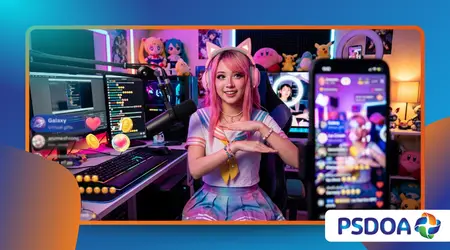
NPC Streaming dominates the live-feed landscape of 2026, merging video game mechanics with human performance in a way that baffles traditional media observers.
Anúncios
This digital subculture features creators who mimic the repetitive, scripted movements of Non-Player Characters, reacting only when triggered by viewers’ financial gifts.
The phenomenon represents a radical shift in entertainment, where the boundary between human agency and programmed response becomes a lucrative, performative blurred line.
As we navigate this surreal social media era, understanding the mechanics of these “human bots” reveals profound truths about our modern craving for control.
Digital platforms have essentially turned social interaction into a vending machine experience, where a few cents buy a moment of scripted human recognition.
Highlights of the Digital Puppet Show
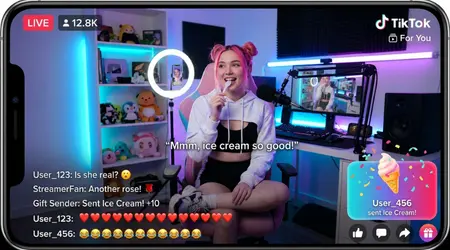
- The Power of Repetition: Why predictable phrases like “Ice cream so good” create hypnotic viewer loops.
- Monetization Secrets: How micro-gifts under one dollar accumulate into massive daily revenue for top-tier creators.
- Psychological Control: The allure of “commanding” a real person through a digital interface in real-time.
- Technological Shift: The role of 2026 low-latency streaming in making these rapid-fire reactions possible.
What defines this viral behavior in the digital age?
The core of NPC Streaming lies in the abandonment of spontaneous human personality in favor of a rigid, predictable set of pre-programmed reactions.
Creators spend hours standing before cameras, maintaining a blank expression until a virtual “rose” or “GG” icon appears on their smartphone screen.
Each icon triggers a specific physical gesture, such as a robotic salute or a repetitive vocal catchphrase, executed with uncanny, machine-like precision.
It is a performance art that thrives on the “uncanny valley,” where the viewer finds fascination in a person acting like a computer script.
This behavior strips away the complexity of conversation, replacing it with a basic “action-reaction” loop that satisfies our innate desire for immediate feedback.
By turning themselves into software, these performers offer a strange form of escapism for a world overwhelmed by the unpredictability of real life.
How do creators maintain the character?
Mastering this style requires immense physical stamina, as creators must repeat the same three-second movements thousands of times without losing their focused composure.
Professional streamers often use rhythmic breathing techniques and localized muscle control to prevent the inevitable fatigue that comes with hours of repetitive motion.
++ Digital Minimalism: The Subculture Rejecting Online Noise
Is this a form of digital busking?
Think of it as a futuristic version of the “living statue” found in tourist plazas, but powered by high-speed internet and global micro-transactions.
The street performer waits for a coin to move; the TikToker waits for a digital sticker to trigger their next programmed, high-energy sequence.
How does the monetization engine function for performers?
The financial genius behind NPC Streaming is the volume of micro-transactions, where cents turn into thousands of dollars through sheer, unrelenting frequency.
In 2026, platforms have optimized the “gift” interface to be so seamless that users often spend small fortunes without realizing the cumulative total cost.
Individual gifts may cost less than a candy bar, but when five hundred people send them simultaneously, the creator’s screen becomes a chaotic profit center.
This model democratizes celebrity, allowing anyone with a ring light and a catchphrase to tap into the global attention economy from their bedroom.
A study by the Digital Economy Research Group in 2025 noted that top-tier “NPC” performers can earn upwards of $10,000 during a single six-hour session.
This revenue outpaces many traditional corporate salaries, explaining why so many young professionals are pivoting toward this specialized, although physically taxing, digital career.
Also read: Mushroom Foraging Groups: Nature Meets Counterculture
What are the most popular gifts?
Virtual roses, hearts, and ice cream cones remain the staples, primarily because they are the cheapest and easiest for the audience to spam rapidly.
High-value gifts, like “intergalactic travel” icons, trigger elaborate, longer performances, acting as the “boss fights” of the creator’s live streaming session that day.
Why are audiences so captivated by these scripts?
Watching a human act as a machine offers a unique “brain rot” comfort, providing low-stress entertainment that requires zero intellectual or emotional heavy lifting.
In a hyper-complex world, the simplicity of NPC Streaming acts as a mental reset button, where everything is predictable and every action is rewarded.
There is also a subtle, perhaps darker, psychological satisfaction in realizing that your small payment can physically force another human to move or speak.
It creates a temporary hierarchy where the viewer is the programmer and the streamer is the hardware, fulfilling a digital fantasy of total authority.
Have you ever wondered if our obsession with these loops says more about our loneliness than our desire for high-quality, creative, or traditional entertainment?
The hypnotic nature of the sounds often called “ASMR-adjacent” soothes the nervous system while simultaneously overstimulating the visual centers of the brain with flashing colors.
Read more: Seapunk, Cybergoth, and Other Internet-Born Aesthetics
Is it a digital mosh pit?
The chat room becomes a collective consciousness, where thousands of strangers work together to “break” the streamer or see how fast they can react.
It is a chaotic, collaborative symphony of clicks, where the audience feels like a single unit controlling a live puppet through the digital ether.
Why do younger generations love it?
Gen Z and Gen Alpha view this as a natural extension of gaming culture, where the line between “avatar” and “person” has always been incredibly thin.
For them, the streamer isn’t “faking” a machine; they are becoming a living avatar that can be interacted with in the real, physical world.
Comparison: Traditional Vlogging vs. NPC Performance (2026)
| Feature | Standard Live Vlog | NPC Performance Style |
| Monetization | Ad revenue & Brand Deals | High-volume Micro-gifts |
| Interaction | Conversational / Slow | Programmed / Instant |
| Viewer Intent | Information / Connection | Control / Entertainment |
| Cognitive Load | High (Critical Thinking) | Very Low (Sensory Input) |
| Primary Appeal | Authenticity | Predictability |
The Future of Interactive Human Avatars
The rise of NPC Streaming signifies a pivotal moment where human labor adapts to the cold, hard logic of the digital platform algorithms.
We are witnessing the birth of a new category of labor, where “authenticity” is traded for “utility” and “predictability” in the pursuit of viral success.
While critics may dismiss it as a fleeting trend, the underlying technology and psychological triggers suggest that interactive, programmed performance is here to stay permanently.
As we move toward more immersive digital spaces, the lessons learned from these TikTok “bots” will likely shape the future of virtual reality interactions.
The digital character is no longer just a bunch of pixels; it is a breathing person who has mastered the art of being a machine.
Do you find these robotic performances mesmerizing or unsettling? Share your thoughts on this digital evolution in the comments below!
Frequently Asked Questions
Is NPC Streaming dangerous for the creators?
Physically, it can cause repetitive strain and vocal fatigue, but mentally, the dissociation required to stay in character for hours is the biggest concern.
How do I start an NPC stream?
You need a high-quality camera, a specific “script” of reactions for different gift types, and the discipline to remain robotic regardless of the chat’s chaos.
Are the reactions always live?
In 2026, most top creators are live, but some use advanced AI overlays to “assist” their movements, though the audience usually prefers the raw, human effort.
Why is it called “NPC”?
It stands for “Non-Player Character,” the automated people in games like Skyrim or GTA who repeat the same lines to every player who walks past.
