
Tradwife Movement: The Return of Retro Gender Roles Online
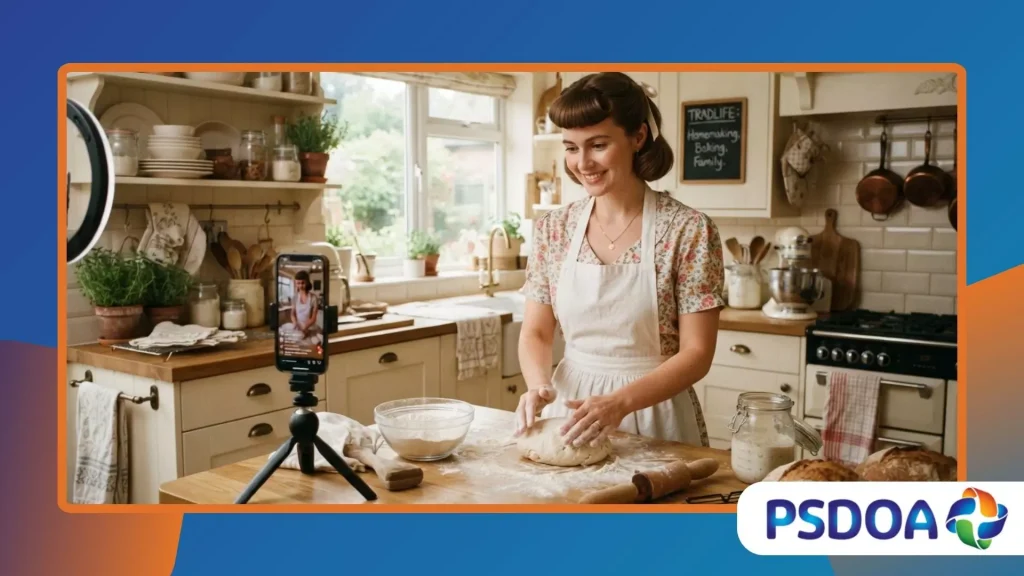
Tradwife movement adherents captivate millions of digital spectators across global platforms by championing retro domestic roles, traditional homemaking aesthetics, and anti-feminist ideologies.
Anúncios
Modern internet subcultures frequently romanticize mid-century marital structures as a peaceful antidote against hyper-capitalist burnout and corporate exhaustion.
Social media feeds overflow with immaculate pastel kitchens, freshly baked sourdough loaves, and content creators dressed in pristine nineteen-fifties aprons.
Understanding this viral phenomenon requires dissecting the complex socioeconomic anxieties driving young women back into vintage domestic frameworks.
Navigating this contemporary ideological shift demands examining how digital algorithms monetize nostalgia while promoting deeply controversial gender dynamics across international borders.
Observers note that online content creators package traditionalism as a luxurious wellness retreat away from modern professional pressure.
Think of these curated digital channels as theatrical stage sets masking rigid patriarchal structures behind soft pastel filters.
Are you ready to explore why retro domesticity appeals so strongly to today’s hyper-connected generation?
Navigating Retro Domesticity Subcultures
- Analyzing digital algorithmic amplification of vintage homemaking aesthetics across video platforms.
- Evaluating economic pressures and burnout drivers pushing young workers toward domestic roles.
- Documenting ideological debates surrounding anti-feminism, female submission, and marital power dynamics.
- Measuring cultural impacts of retro lifestyle marketing on contemporary youth identity.
What Defines the Online Tradwife Phenomenon?
Tradwife movement participants utilize hyper-aestheticized short-form video content to showcase meticulous domestic routines centered entirely around serving husbands and raising children.
Digital creators broadcast serene tutorials on ironing shirts, scrubbing hardwood floors from scratch, and baking artisanal bread before sunrise.
Imagine an actress performing a nineteenth-century melodrama inside a high-tech smart home equipped with automated appliances.
This aesthetic dissonance attracts millions of curious viewers who treat domestic labor as high-end entertainment.
Sociological studies published by digital media research institutes reveal that the majority of these viral channels are monetized enterprises generating substantial advertising revenue.
Creators carefully balance retro messaging with modern influencer tactics, selling merchandise, cookbooks, and lifestyle courses to digital followers.
When traditionalism becomes a lucrative digital commodity, the line between genuine lifestyle choice and performance art blurs completely.
Financial incentives heavily drive the revival of vintage domesticity online.
Why Do Vintage Aesthetics Attract Millions of Viewers?
Sleek pastel color palettes, classical music soundtracks, and slow-paced visual storytelling offer a hypnotic escape from chaotic digital feeds.
Viewers suffering from acute modern burnout find temporary psychological comfort in watching orderly, predictable domestic routines unfold onscreen.
Visual escapism masquerades as authentic historical reenactment.
++ Digital Minimalism: The Subculture Rejecting Online Noise
How Do Influencers Monetize Domestic Trad-Lifestyle Content?
Creators partner with home appliance brands, organic kitchenware lines, and publishing houses to secure lucrative sponsored endorsement deals.
High follower engagement transforms simple household chores into multimillion-dollar digital commerce empires built on nostalgia. Capitalist monetization fuels ideological performance.
Also read: Mushroom Foraging Groups: Nature Meets Counterculture
What Role Do Social Media Algorithms Play?
Platform algorithms aggressively promote polarizing gender-role debates because controversial commentary generates massive comment engagement and viral reach.
Sensationalized debates ensure that retro content circulates continuously among both supporters and fierce critics. Algorithmic bias amplifies fringe subcultures globally.
Why Are Young Women Embracing Retro Gender Roles?
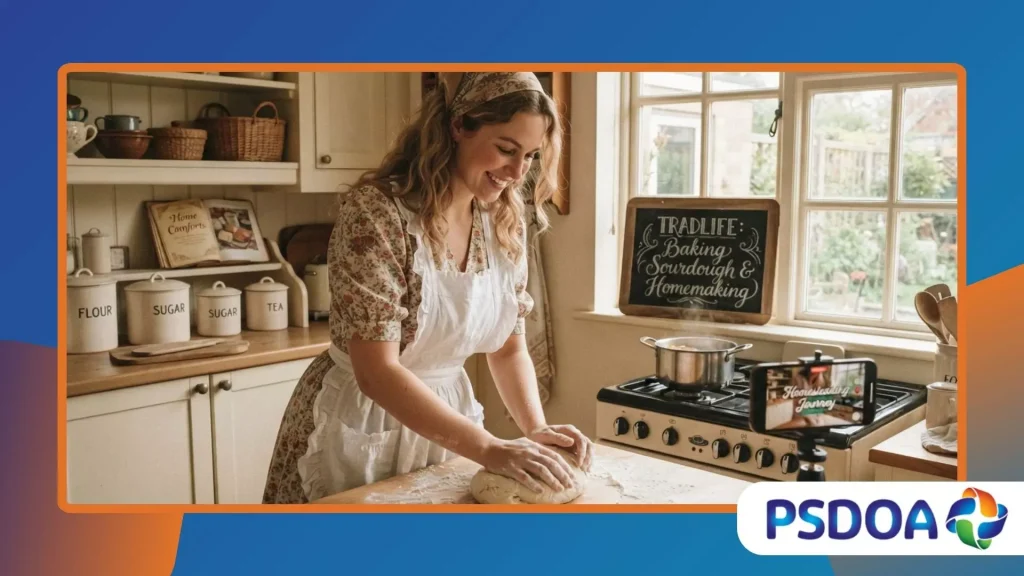
Tradwife movement momentum accelerates rapidly because relentless economic inflation and crushing corporate burnout make traditional career tracks increasingly unappealing.
Many young workers feel trapped in low-paying gig economy jobs, prompting them to seek emotional refuge inside domestic partnerships.
Think of retreating into a traditional household as pulling an emergency brake on a runaway train speeding toward total exhaustion.
Rejecting modern professional expectations feels like a radical act of self-preservation to disillusioned young adults.
Recent labor market data from economic research councils highlights rising workplace stress levels among female professionals navigating demanding hybrid schedules.
When professional advancement yields stagnant wages and unrelenting anxiety, the promise of a provider-spouse dynamic looks deceptively attractive.
However, critics argue that trading corporate servitude for total domestic financial dependency creates severe long-term vulnerabilities. Personal autonomy gets sacrificed on the altar of marital security.
Read more: Seapunk, Cybergoth, and Other Internet-Born Aesthetics
How Does Workplace Burnout Fuel Domestic Fantasies?
Endless corporate emails, unrealistic performance metrics, and toxic office politics drive exhausted employees to fantasize about simpler domestic lives.
The romanticized idea of tending a quiet garden replaces the harsh reality of modern cubicle servitude. Fantasy outshines pragmatic financial planning.
What Are the Risks of Total Financial Dependency?
Surrendering independent bank accounts and personal income leaves homemakers completely defenseless if marriages dissolve due to unforeseen personal crises.
Historical legal protections rarely shield spouses who spent decades out of the formal workforce. Independence vanishes without a financial safety net.
How Do Ideological Beliefs Shape Domestic Choices?
Many participants blend traditional religious conservatism with anti-feminist philosophies, viewing female submission as a divine moral obligation.
This rigid worldview rejects decades of civil rights progress in favor of patriarchal family structures. Ideology supersedes modern egalitarian principles.
How Do Critics and Digital Communities Respond?
tradwife movement discourses trigger intense cultural battles across international internet forums, pitting progressive feminists against conservative traditionalists in fierce ideological warfare.
Critics argue that promoting submissive gender roles threatens hard-won human rights gains and normalizes systemic gender inequality globally.
Imagine a Trojan horse designed to smuggle regressive social policies into mainstream culture wrapped in beautiful baking tutorials.
Public pushback remains fierce as commentators dissect the hidden political agendas lurking beneath wholesome veneer.
Cultural commentators emphasize that online depictions rarely reflect the gritty, unedited reality of full-time domestic labor without external support networks.
Many former participants step forward to expose the isolation and financial coercion experienced behind closed doors.
When digital illusions collide with harsh reality, the glossy facade quickly cracks. Public accountability plays a vital role in exposing online manipulation.
Why Is Public Criticism Growing Across Digital Spaces?
Feminist activists and cultural watchdogs actively debunk idealized domestic portrayals by highlighting the legal and financial dangers of marital subjugation.
Exposing the commercial nature of these channels helps viewers recognize engineered propaganda. Critical media literacy counters viral misinformation.
How Do Supporters Defend Their Lifestyle Choices?
Adherents argue that choosing domesticity represents a voluntary exercise of personal freedom against oppressive feminist work-life expectations.
They claim that managing a household provides deeper emotional fulfillment than climbing corporate ladders. Personal choice remains their primary defense.
What Impact Do These Online Debates Have on Youth?
Impressionable young teenagers consuming unmoderated lifestyle content may internalize regressive gender stereotypes as normal modern relationship standards.
The normalization of submissive domesticity threatens progressive social norms established over generations. Cultural education becomes critically important.
Retro Domesticity and Modern Lifestyle Comparison Matrix
The structured table below contrasts traditional retro homemaking ideologies with contemporary egalitarian relationship models across key social dimensions.
| Lifestyle Dimension | Retro Homemaking Ideology | Contemporary Egalitarian Model |
| Financial Independence | Total reliance on single provider income | Shared dual-income financial autonomy |
| Labor Division | Strict separation of domestic versus career duties | Flexible, shared household and career responsibilities |
| Philosophical Foundation | Traditional gender hierarchies and submission | Mutual partnership and equal decision-making power |
| Digital Representation | Highly aestheticized, monetized social media performance | Diverse, unvarnished lived realities |
Reevaluating Modern Choices in a Digital Era
The tradwife movement highlights deep societal cracks regarding work-life balance, economic security, and the ongoing quest for personal meaning.
While vintage aesthetics offer comforting escapism from modern burnout, examining the underlying power dynamics remains essential for personal safety.
Balancing professional ambition with domestic well-being requires thoughtful negotiation rather than blind adherence to rigid historical scripts.
Take a moment to reflect on your own approach to work, life, and personal autonomy.
How do you balance modern professional pressures with your personal well-being? Share your experience in the comments below!
Frequently Asked Questions
What exactly is a tradwife in modern digital culture?
A tradwife is a content creator or follower who chooses to embrace traditional, pre-feminist gender roles, focusing entirely on homemaking, cooking, and serving her husband.
Why has this retro lifestyle trend gained popularity recently?
Soaring housing costs, corporate burnout, and algorithmic promotion on social media have driven disillusioned young workers toward romanticized visions of domestic simplicity.
Does participation in this movement require specific religious beliefs?
While many adherents incorporate conservative religious doctrines into their lifestyle, others adopt traditional gender roles purely for aesthetic, psychological, or political reasons.
What are the primary financial risks of embracing full-time domesticity?
Total financial dependency leaves homemakers vulnerable to poverty and vulnerability if marriages end in separation or if the primary provider loses income.
How do critics view the cultural impact of these online channels?
Critics argue that normalizing female submission and anti-feminist ideologies undermines decades of gender equality progress and misleads impressionable young audiences.
