
Synthetic Embryos: The Lab-Created Models Changing Biology
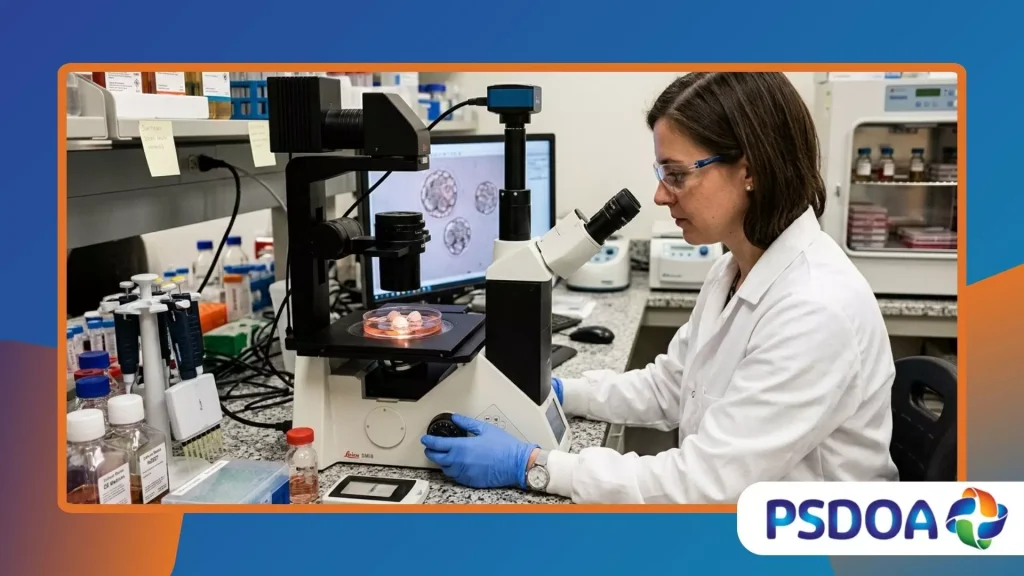
Synthetic Embryos represent a groundbreaking frontier in modern biomedical science, allowing researchers to model early human development without utilizing natural fertilization eggs.
Anúncios
Laboratory-grown cellular structures replicate initial developmental stages with astonishing precision, offering unprecedented insight into congenital disorders and unexplained miscarriages.
International scientific communities view these remarkable cellular constructs as vital tools for unlocking the complex mysteries of mammalian embryogenesis.
Ethical debates and rigorous regulatory frameworks accompany these rapid technological leaps across global research laboratories.
Navigating this complex scientific revolution requires understanding how stem cell biology intersects with modern developmental medicine.
Researchers can now observe intricate cellular differentiation processes directly under microscope observation rooms.
Think of these lab-grown models as architectural blueprints that reveal how microscopic cells build complex living tissues. Are you ready to explore the scientific breakthroughs transforming modern biology today?
Navigating Synthetic Embryo Research
- Investigating pluripotent stem cell self-organization protocols in laboratory bioreactors.
- Analyzing ethical implications and international regulatory frameworks governing cellular models.
- Evaluating clinical applications for treating recurrent miscarriages and congenital birth anomalies.
- Documenting technological milestones achieved by leading global developmental biology laboratories.
What Are Synthetic Embryos and How Do They Form?
Synthetic Embryos originate from cultured stem cells rather than fertilized eggs, utilizing advanced biochemical signaling to self-organize into complex structures.
Researchers combine embryonic and extra-embryonic stem cell lines in specialized bioreactors, prompting them to mimic natural blastocyst formation phases.
Imagine an expert master builder assembling microscopic biological Lego bricks into functional tissue architectures without using original blueprints.
These models display early organ precursor patterns that mirror natural embryonic development with remarkable accuracy.
Recent biomedical research publications from the International Society for Stem Cell Research highlight that current lab models successfully replicate developmental milestones up to fourteen days.
When scientists track cellular signaling pathways in real-time, they uncover fundamental mechanisms governing early human growth.
This precise visibility bypasses previous ethical and technical limitations associated with natural human embryo research. Laboratory innovation pushes the boundaries of medical science every single day.
How Do Stem Cells Self-Organize in Culture?
Specialized chemical growth factors stimulate pluripotent stem cells to communicate, migrate, and assemble into distinct structural layers automatically.
This spontaneous self-assembly process duplicates the natural biological orchestration observed during early mammalian gestation phases. Cellular intelligence guides intricate structural formation.
++ Why Some Scientists Are Trying to Simulate a Miniature Universe
Why Do Researchers Avoid Using Natural Eggs?
Relying entirely on stem cell lines eliminates ethical controversies and physical constraints tied to sourcing human donor eggs for research.
Scientists gain an unlimited, reproducible supply of models for large-scale pharmaceutical screening experiments. Efficiency accelerates life-saving medical discoveries globally.
Also read: Magnetoreception: The Hidden Sense Humans May Possess
What Structural Milestones Do Lab Models Achieve?
Current laboratory models successfully form primitive heart precursors, neural tube structures, and early blood vessel networks during initial growth phases.
Observing these formative stages helps geneticists pinpoint exact moments when developmental anomalies occur. Precision diagnostics improve future clinical outcomes significantly.
What Are the Primary Medical Applications and Benefits?
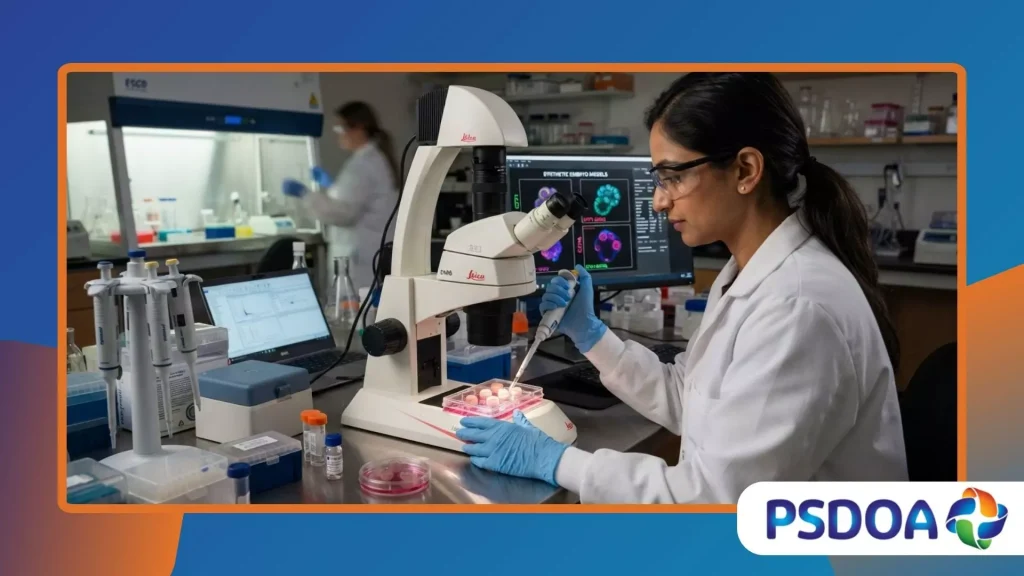
Synthetic Embryos provide researchers with an unprecedented platform to investigate the root causes of unexplained recurrent miscarriages and genetic disorders.
Medical professionals can test pharmaceutical compounds safely on these models, avoiding toxic side effects on actual human pregnancies.
Think of these cellular constructs as advanced flight simulators that allow scientists to test dangerous scenarios safely.
Unlocking these biological secrets paves the way for revolutionary regenerative medicine therapies and targeted treatments.
Clinical data analyzed by global health organizations suggests that developmental modeling could reduce congenital birth defects by understanding early structural mutations.
When researchers identify faulty genetic signaling pathways early, preventative interventions become clinically feasible for expectant mothers.
Modern therapeutics enters an era of unprecedented precision and personalized patient care. Medical breakthroughs transform theoretical biology into tangible healing power.
How Can Models Help Prevent Miscarriages?
Observing the fragile implantation phase in laboratory settings reveals why certain cellular attachments fail during early human pregnancy stages.
Gynecologists use these insights to develop targeted hormonal treatments that support vulnerable pregnancies effectively. Clinical interventions save countless families profound heartache.
Read more: Chronobiology: How Body Clocks Shape Human Performance
Why Are Pharmaceutical Drug Tests Safer Now?
Testing new medications on living cellular models prevents potential birth defects that historical drug trials accidentally caused in human populations.
Pharmaceutical companies screen developmental toxicity with absolute safety before advancing drugs to clinical human trials. Patient safety remains the ultimate priority.
What Role Does Regenerative Medicine Play Here?
Understanding how cells differentiate into specialized organ tissues helps bioengineers grow replacement cells for degenerative disease patients.
Regenerative therapies harness these exact biological pathways to restore damaged human organs successfully. Science fiction rapidly becomes clinical reality.
What Ethical and Regulatory Challenges Surrounds This Science?
Synthetic Embryos force international governing bodies to reevaluate bioethical definitions and establish strict legal boundaries for laboratory-grown human models.
Lawmakers and ethicists debate whether these advanced structures possess moral status, given their striking resemblance to natural embryos.
Imagine navigating uncharted legal waters where technological capabilities outpace existing philosophical and legislative frameworks.
Establishing transparent regulatory oversight ensures responsible scientific progress without crossing vital ethical red lines.
Global science policy guidelines issued by bioethics committees emphasize the urgent need for international consensus on research duration limits and oversight protocols.
Research institutions voluntarily adhere to strict fourteen-day observation caps while engaging the public in transparent ethical discussions.
Balancing scientific curiosity with societal values guarantees public trust in cutting-edge biotechnology. Responsible governance protects the dignity of human life.
How Do Governing Bodies Define Moral Status?
Philosophers and legal experts debate whether cellular models capable of primitive tissue organization warrant the same legal protections as natural embryos.
International committees draft nuanced legislative definitions to classify lab-grown models accurately. Clear legal definitions prevent dangerous regulatory grey zones.
Why Is Public Transparency Crucial for Researchers?
Open communication between scientists and the general public prevents misinformation and alleviates societal fears regarding advanced biotechnology research.
Public forums allow citizens to voice ethical concerns directly to laboratory directors and policy makers. Trust is built through radical transparency.
What International Standards Govern Laboratory Research?
Leading scientific academies worldwide enforce strict peer-reviewed approval processes and standardized ethical codes for all stem cell experimentation facilities.
Compliance audits ensure that every laboratory operates within internationally accepted moral and legal boundaries. Accountability sustains scientific integrity worldwide.
Synthetic Embryo Research Comparison Matrix
The structured table below contrasts traditional natural embryo studies with modern synthetic embryo modeling across key scientific metrics.
| Research Dimension | Natural Embryo Research | Synthetic Embryo Modeling |
| Material Source | Donated human fertilization eggs | Cultured pluripotent stem cell lines |
| Availability | Extremely scarce and legally restricted | Unlimited and highly reproducible in labs |
| Ethical Complexity | High moral and regulatory controversy | Lower ethical barrier with strict oversight |
| Observation Clarity | Limited due to ethical and physical constraints | Real-time microscopic tracking of cell differentiation |
Shaping the Future of Human Developmental Biology
The rapid advancement of Synthetic Embryos demonstrates humanity’s relentless drive to understand the fundamental origins of life through rigorous scientific inquiry.
By balancing groundbreaking laboratory innovations with strict ethical oversight, researchers unlock unprecedented treatments for devastating genetic disorders and miscarriages.
Society stands on the threshold of a medical renaissance where laboratory models illuminate the darkest mysteries of human biology.
Take a moment to reflect on the profound implications of this revolutionary biotechnology. How do you believe stem cell science will reshape the future of medicine? Share your experience in the comments below!
Frequently Asked Questions
Can synthetic embryos develop into a living human baby?
Current scientific consensus and international regulations prevent these models from implanting into a womb, and their incomplete biological structures cannot sustain full-term human gestation.
How do scientists create these models in the laboratory?
Researchers stimulate specific pluripotent stem cell lines with precise chemical signaling factors, prompting them to self-organize into structures resembling early mammalian blastocysts.
Why are these cellular models so valuable for medical research?
They allow scientists to study the most fragile, inaccessible stages of early embryonic development and drug toxicity safely without utilizing natural human eggs.
What ethical limits currently govern this type of research?
Most international research laboratories voluntarily adhere to a strict fourteen-day observation limit and operate under rigorous bioethical committee oversight.
Will this research lead to personalized regenerative therapies?
Yes, understanding cellular differentiation pathways helps bioengineers develop customized replacement tissues and targeted treatments for various degenerative human diseases.
